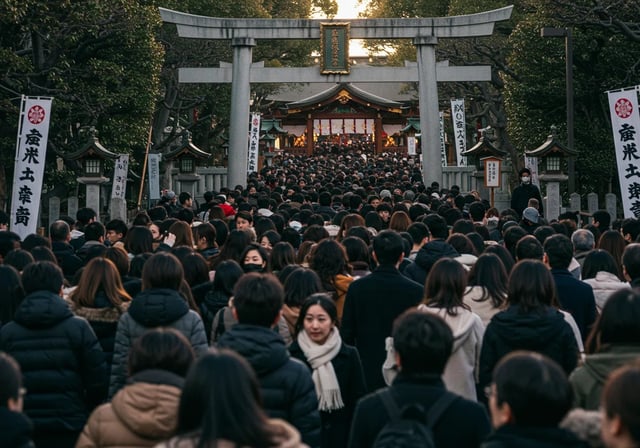
When foreigners imagine building a life in Japan, they often think about the obvious things: learning Japanese, finding a job, exploring new cities, or experiencing traditional culture.
But for many people, the things that truly make Japan feel like home after months or years of living there are often much more personal. You might have a favorite local restaurant, a local おばあちゃん (grandma) you’ve befriended, a weekend activity, or a hobby shared with people who live there.
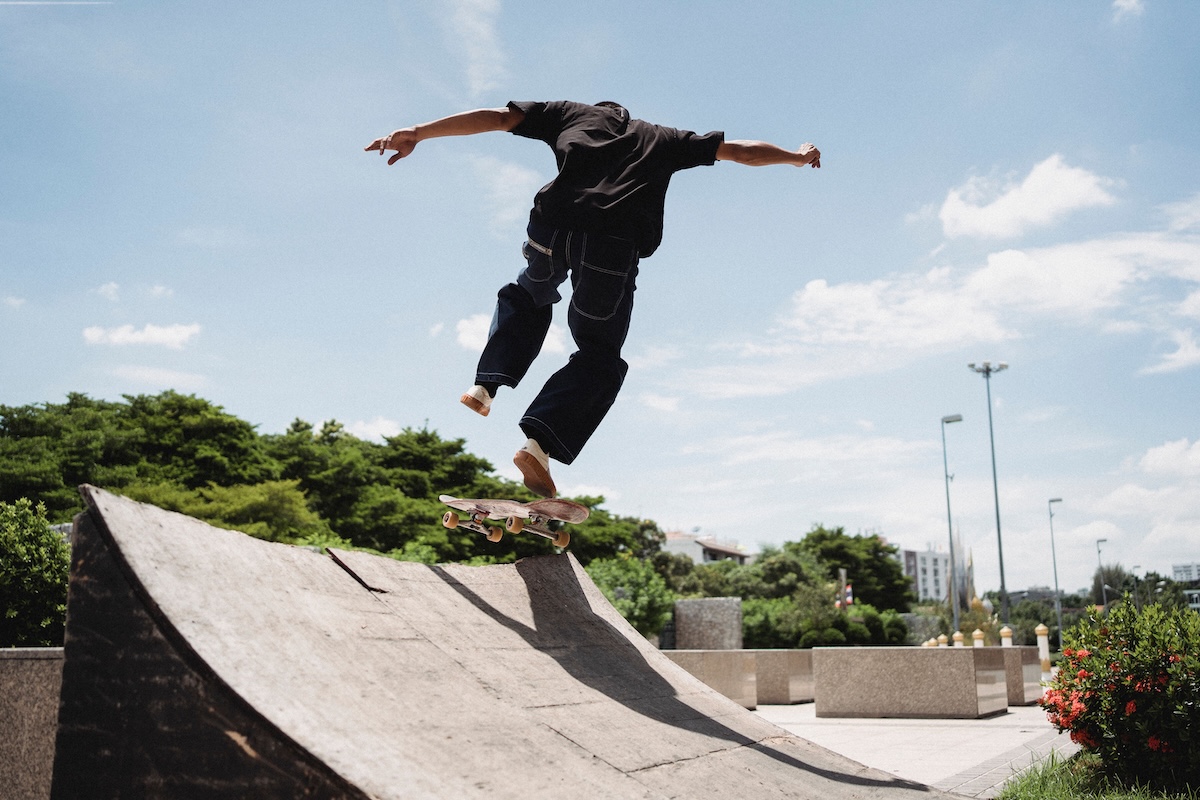
For some foreigners, skateboarding (often shortened to スケボー sukebō) becomes that connection.
While skateboarding may not be the first thing people associate with Japan, the country has a growing skate scene with pretty passionate communities across the country. Given that it’s still fairly niche for the country, people who consider themselves a part of this group can become close very quickly.
For foreign residents, this is an excellent way to meet locals, practice Japanese naturally, explore new places, and become part of a community outside of work.
However, skateboarding in Japan also comes with cultural expectations that may surprise newcomers. Understanding how the sport fits into Japanese society is essential for anyone hoping to skate while living there.
Skateboarding as a Pathway to Japanese Fluency
One of the biggest challenges many foreigners face when learning Japanese is finding opportunities to use the language naturally.
Studying vocabulary and grammar is important, but real fluency often comes from repeated, everyday interactions. Hobbies can create exactly those opportunities.
A skate park, for example, gives people an immediate reason to talk. Conversations often begin naturally:
- “What board do you use?”
- “How long have you been skating?”
- “Where do you usually skate?”
- “Can you show me that trick?”
These conversations create the foundation for deeper relationships. Because Japanese people won’t necessarily strike up a conversation with any random stranger, having a reason to chat or ask a question is incredibly useful for creating these opportunities. Over time, casual conversations become friendships, and language ability improves through consistent exposure.
This can be especially valuable because conversations are happening around a shared interest rather than a language exchange. This way, you are participating in a community, and not just hitting your practice hour target.
Finding Community Beyond Work
One of the most difficult parts of moving abroad is building a social life outside of your job.
Workplaces can certainly provide friendships, but relying only on coworkers can sometimes make it harder to feel fully connected to your new home. Having a hobby creates a third space where you can meet people with similar interests.
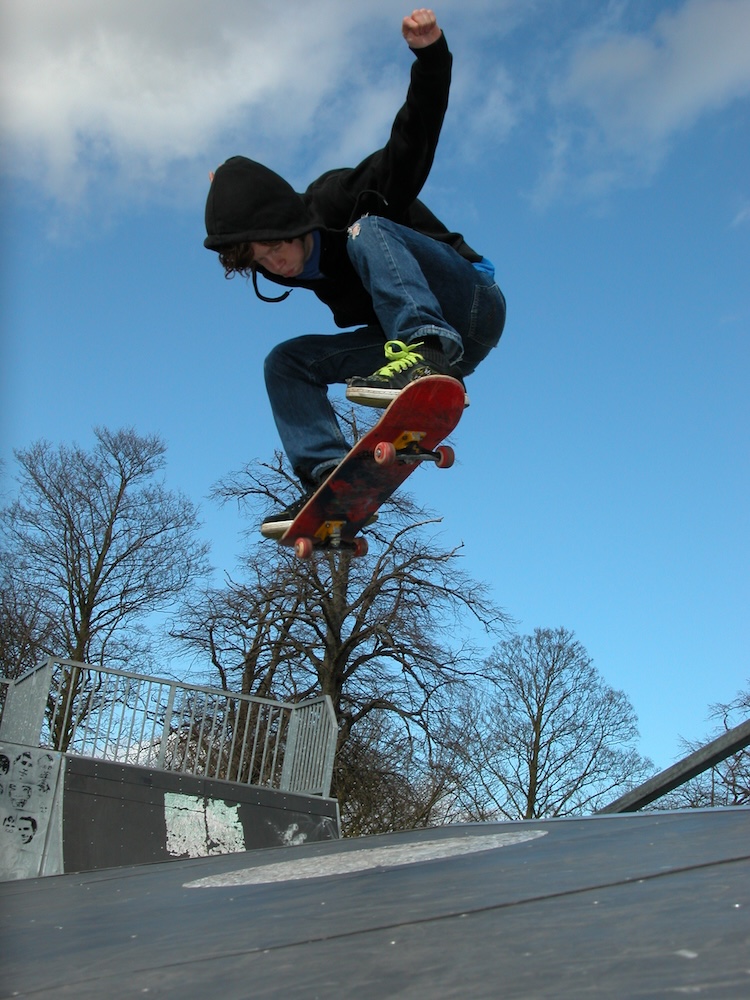
A regular visitor to a local skate park may quickly become a familiar face. People recognize you, remember your name, and start conversations when you arrive. Seeing the same people in the same setting over and over is often how many foreigners begin feeling like part of the community.
This is one of the underrated benefits of having a hobby in Japan. It gives you a reason to return to the same places, interact with the same people, and slowly build relationships.
Integration often happens through these small, consistent moments.
The Growing Skateboarding Scene in Japan
Skateboarding in Japan has changed significantly over the years.
Historically, the sport was sometimes associated with rebellious behavior or viewed as disruptive, especially when practiced in crowded public spaces. Lately though, its image has shifted, especially as some of Japan’s top skateboarders have gained more recognition internationally in competitions as elite as the Olympics.
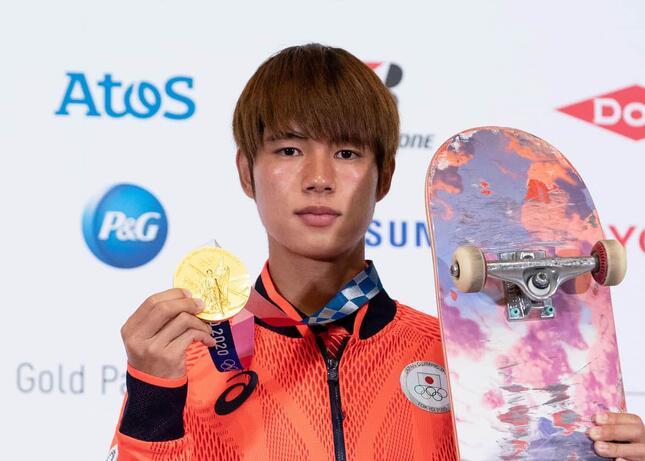
Japan’s success in competitive skateboarding has introduced the sport to a wider audience, and many younger people now view it as a legitimate athletic and creative pursuit.
Cities across Japan have developed dedicated skate parks where skaters can practice safely and connect with others. These spaces have become important for local skate communities, bringing together people from different backgrounds and generations.
These spaces can provide an opportunity to interact with locals outside more formal environments like schools or workplaces.
Understanding Japan’s Relationship With Public Space
While skateboarding communities are growing, foreigners should understand that skating in Japan comes with certain social expectations.
One of the biggest adjustments for newcomers is Japan’s approach to shared public spaces.
In some countries, it is common to see people skateboarding through city streets, plazas, or sidewalks. In Japan, skating outside designated areas can attract complaints from residents or attention from authorities.
This is not necessarily because skateboarding itself is viewed negatively. Rather, it connects to a broader cultural expectation: shared spaces should be used in ways that minimize inconvenience to others.
Noise, crowded walkways, and activities that interfere with pedestrian movement are often viewed more seriously than they might be elsewhere.
For this reason, many skaters in Japan make a point of using designated skate parks and being mindful of their surroundings.
The Importance of Reading Unwritten Rules
For many foreigners living in Japan, one of the biggest adjustments is learning that official rules are only part of the picture.
Japan has many unwritten social expectations, and understanding them can make daily life much smoother.
For example, some foreigners may think, “If there’s no one around, why would it matter?” But local residents may view the situation differently. Even if something seems harmless, it may still be considered inappropriate if it creates noise or uses a space in an unexpected way.
Learning these cultural expectations is part of becoming comfortable in Japan.
Don’t let this scare you away from joining these communities, however! The goal here is to find ways to be a respectful participant.
Skaters who follow local norms, treat others considerately, and build positive relationships with the people around them are much more likely to feel welcomed.
A Unique Way for Teachers to Connect With Students
If you’re planning to be a teacher or already are one in Japan, hobbies like these can also become powerful tools for building relationships with students.
Students are naturally curious about their teachers’ lives outside the classroom. Learning that a teacher has a hobby, passion, or interest can make them feel more approachable and relatable. Especially when it’s something lesser-known like skateboarding. Even if they don’t do it themselves, many students are interested in learning about it.
And if you do have a student who skateboards—even better! A student who enjoys it may suddenly have a reason to start a conversation with you. Instead of practicing English through a textbook exercise, they are discussing something they genuinely care about.
For some students, a foreign teacher may be their first meaningful interaction with someone from another country. Sharing interests helps students see English not just as a subject, but as a way to connect with people.
Using Hobbies to Create a Life in Japan
Many foreigners arrive in Japan focused on practical goals: finding housing, securing employment, improving their Japanese, and navigating daily life.
Those things are important, but they are not always what makes someone feel at home. A fulfilling life abroad is often built through personal connections and shared experiences.
For some people, that might come through:
- Sports like skateboarding or climbing
- Music or local bands
- Photography or other creative hobbies
- Hiking and outdoor activities
- Gaming communities
- Local volunteer opportunities
The specific hobby does not matter as much as the opportunity it creates.
Shared interests remove some of the barriers that come with being a foreigner. They give people something to talk about, something to do together, and a reason to keep building relationships.
Finding Your Place Through Passion
Skateboarding in Japan is an excellent way to explore new places, improve your Japanese, and build friendships that would not have happened otherwise.
At the same time, enjoying skate culture in Japan requires cultural awareness. Understanding where and how to skate, respecting shared spaces, and paying attention to local expectations are all part of successfully becoming part of the community.
Moving to another country is not just about adapting to a new environment. It is also about finding the things that make that environment feel like home.
Sometimes, the strongest connections come from unexpected places, like a skateboard at a local park.