If you're used to Christmas meaning a few days away from work, spending the holiday season in Japan may take a little adjustment. December 25 is not a national holiday here, so unless your employer has its own arrangements, you should expect it to be a regular working day.
The bigger holiday period comes at the end of December and beginning of January. This is when many Japanese companies, government offices, and smaller businesses close for the New Year holidays. If you're new to Japan, understanding how the season works can help you plan your time off, avoid last-minute errands, and still enjoy the festivities.
Here's what to keep in mind as the holidays approach.
1. Christmas Is a Regular Working Day in Japan
One of the first things to know is that Christmas isn't an official day off in Japan. December 24 and 25 are regular working days unless they happen to fall on a weekend or your employer provides additional leave.
That doesn't mean Christmas goes unnoticed. Shops and shopping centers put up decorations, cities host winter illuminations, and seasonal treats appear in bakeries and restaurants. Christmas Eve is also a popular date night, while Christmas Day is often celebrated more casually with friends, family, or coworkers.
If you're hoping to celebrate with people back home, you'll need to work around your schedule. You might arrange a video call after work, celebrate over the weekend, or request paid leave if you want to make the occasion more special.
It's also worth remembering that your coworkers may not have the same expectations around Christmas that you do. If you're hoping to take December 24 or 25 off, check your company's leave policy rather than assuming the dates will be treated as holidays.
2. Request Your Holiday Leave Early
December can be a busy month for travel, especially for international residents hoping to visit family abroad. If you're planning to leave Japan for the holidays, start looking at your options early.
First, check your company's year-end schedule. Some workplaces close for several days around New Year, while others remain open or operate with reduced staffing. Your employer may also have specific rules about requesting leave during busy periods.
If you need additional days off, submit your request as early as possible. This is especially important if several coworkers are likely to want the same dates.
Think about the logistics, too. International flights can become expensive around the holidays, and coordinating travel with family members in different countries may take some planning. If you can't make it home for Christmas, consider celebrating on another date or arranging a call that works across time zones.
You don't have to follow the same holiday schedule you would back home. The important thing is to know your options before December arrives.
3. Understand Japan's New Year Holiday Period
While Christmas is relatively low-key from a work perspective, New Year is a much bigger occasion in Japan.
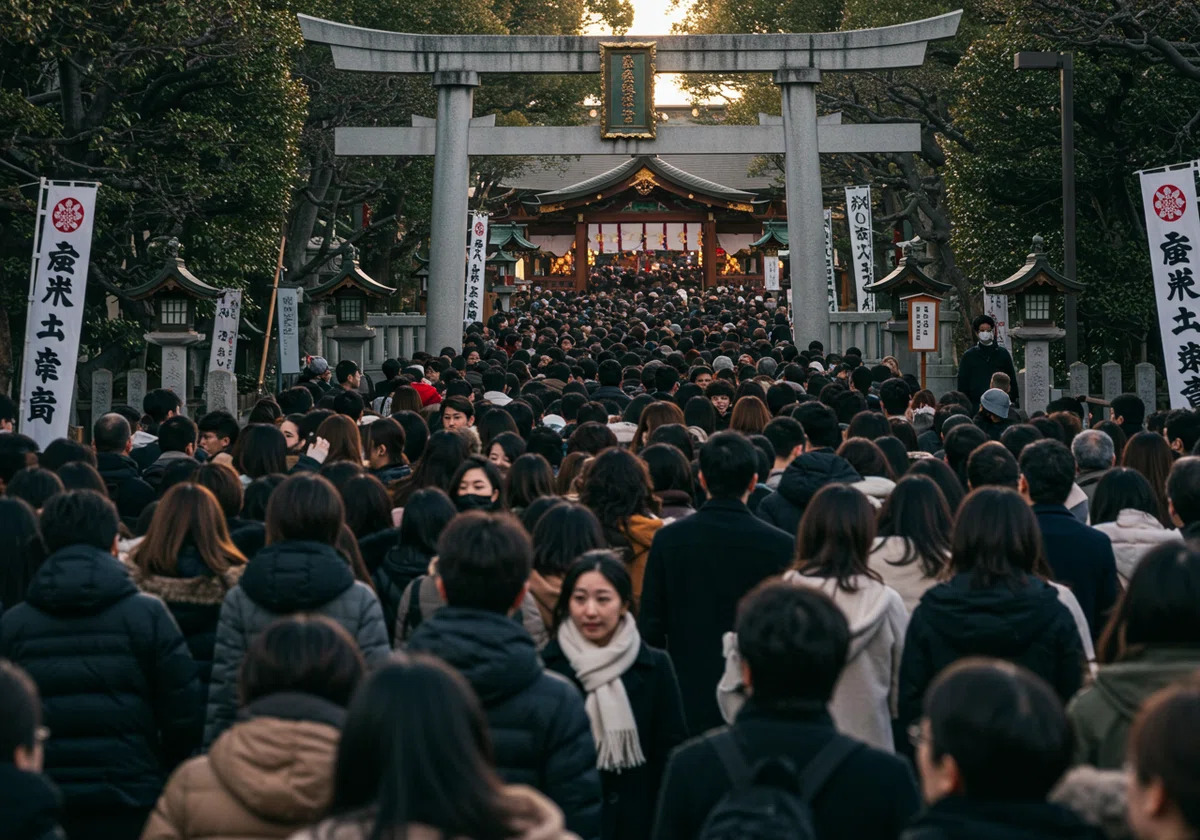
Known as Oshogatsu (お<ruby>正月<rp>(</rp><rt>しょうがつ</rt><rp>)</rp></ruby>), the New Year period is one of the country's most important holidays. It's traditionally a time for family gatherings, special meals, visiting shrines and temples, and welcoming the year ahead.
Many companies and government offices close around December 29 through January 3. The exact schedule varies, and some employers may close for longer or shorter periods. Government offices, for example, are generally closed during this period under Japan's administrative holiday rules.
Not every business shuts down, however. Convenience stores, some restaurants, hotels, and tourist attractions may remain open, while other shops operate on reduced hours or close for several days.
If you need to visit a municipal office, handle paperwork, or take care of something that requires a bank or government service, don't leave it until the last minute. Check the relevant organization's holiday schedule and plan around its closing dates.
4. Take Care of Important Errands Before the Break
The New Year closure period can catch newcomers off guard, particularly if they're used to being able to run errands whenever they have a free afternoon.
Before the end of December, take a little time to make sure you're not relying on a service that will be closed when you need it.
A few things worth checking include:
Municipal offices: If you need a certificate, have an administrative procedure to complete, or need help with local paperwork, check the office's final business day of the year.
Banking: Take care of in-person banking before the holiday period if possible. Check your bank's schedule and make sure you have access to the money you'll need.
Healthcare: If you take regular medication, arrange any necessary prescription refills in advance. It's also worth finding out which nearby clinics or pharmacies offer holiday services.
Groceries and household essentials: Check supermarket opening hours and stock up on anything you don't want to run out of.
Deliveries and postal services: If you're expecting an important package or document, check whether holiday schedules could affect its arrival.
You don't need to prepare for a complete shutdown, as convenience stores and many other services remain available. However, taking care of important errands early can save you from discovering that the one place you need is closed.
5. Traveling During the Holiday Season? Plan Ahead
New Year is a popular time for people in Japan to visit family, travel domestically, or (a little less commonly) take a holiday abroad. That means major transport routes can get busy, particularly around the days when people leave major cities and return home.
If you're planning to take the Shinkansen, book your seats in advance when reservations become available. During certain peak periods, some services operate with reserved seating only. Flights, hotels, and popular destinations can also fill up quickly.
If you're staying in Japan over the holidays, check the opening hours of places you want to visit. Major tourist attractions may remain open, but smaller museums, restaurants, independent shops, and local businesses may take a break.
You may also find that popular destinations are busier than usual. If you're hoping for a quieter trip, consider traveling outside the busiest dates or exploring somewhere closer to home.
A little flexibility goes a long way. You might discover that a local day trip or a relaxed New Year's visit to a nearby shrine is just as enjoyable as a big holiday itinerary.
6. Make Time to Enjoy the Season
Planning around work and closures is important, but don't let the logistics take over the entire holiday season. Japan has plenty of ways to make December and early January feel special, even if you're working through Christmas.
In December, you can enjoy winter illuminations, seasonal markets, decorated shopping streets, and the familiar sight of Christmas cakes in bakery windows.
If you're working on December 25, there's no reason you can't celebrate on another day. Arrange dinner with friends, exchange gifts over the weekend, or create a few traditions of your own. Other international residents may be in the same situation and happy to make plans together.
As the year turns, you can also experience some of Japan's New Year customs:
Toshikoshi soba (<ruby>年越<rp>(</rp><rt>としこ</rt><rp>)</rp></ruby>しそば): Buckwheat noodles traditionally eaten on New Year's Eve to mark the transition into a new year.
Hatsumode (<ruby>初詣<rp>(</rp><rt>はつもうで</rt><rp>)</rp></ruby>): The first shrine or temple visit of the year, often made during the first few days of January.
Osechi (おせち): Special New Year dishes, often arranged in decorative boxes and associated with wishes for good fortune and health. Many shops accept orders in advance, and I’ve even had a Japanese friend order hers on Amazon when she couldn’t make it home to her family one year!
You don't have to participate in every tradition to enjoy the season. Trying a special meal, visiting a local shrine, or simply taking a walk through your neighborhood can be a lovely way to experience this time of year.
Enjoying the Holidays in Japan Takes a Little Planning
Your first holiday season in Japan might look different from the ones you're used to. Christmas may be a regular workday, and the biggest closures may come after the celebrations are over. But once you understand the rhythm of the season, it's easier to make plans that work for you.
Check your work schedule, request leave early, take care of important errands before New Year, and leave yourself some time to enjoy the festivities. Whether you're traveling home, celebrating with friends, or experiencing Japanese New Year traditions for the first time, a little preparation can make the season much more enjoyable.