A hanko, also called an inkan, is a personal stamp used to sign off on important and official documents in Japan. As a foreigner, do you need a hanko in Japan? The answer is more complicated than you might think. While hanko are gradually being phased out and western-style signatures are becoming more accepted across many industries, a hanko is still an important part of some official processes in Japan and also still commonly used in Japanese workplaces. In this article, we examine hanko and their uses and how you should go about getting one.
The Personal Seal
When moving to Japan as a foreigner, there is often plenty of paperwork to do and it never really stops while you live here. Rental agreements, employment contracts, opening a bank account, all of these require you to complete official paperwork and to indicate your approval. In Western countries, the usual practice is to complete these with a signature however in Japan, a personal seal is typically required. While using a signature has become more acceptable nowadays, there will probably come a time when you need to put your stamp on something.
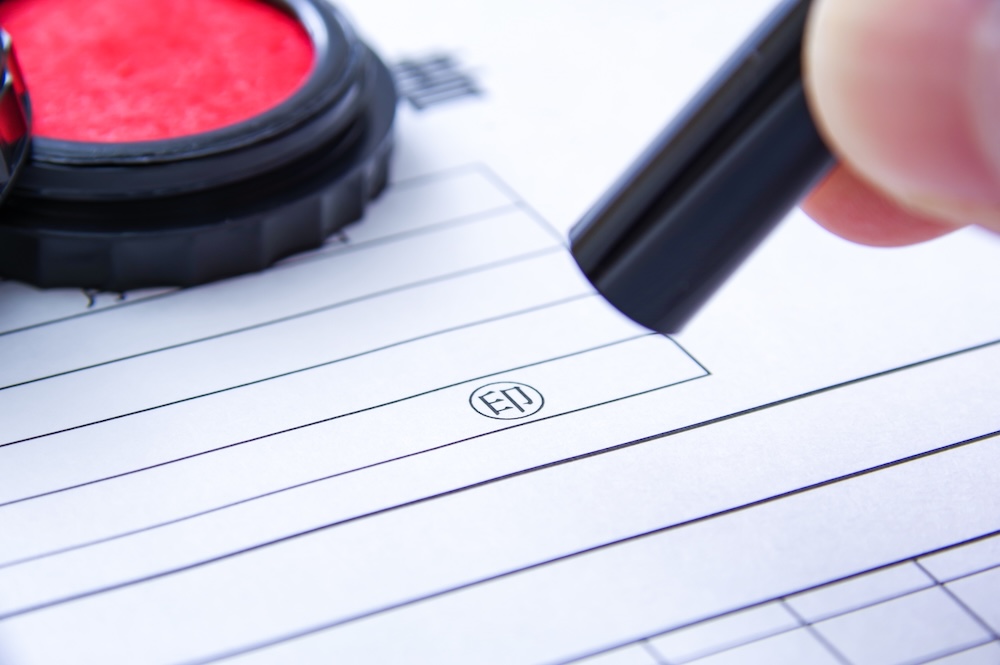
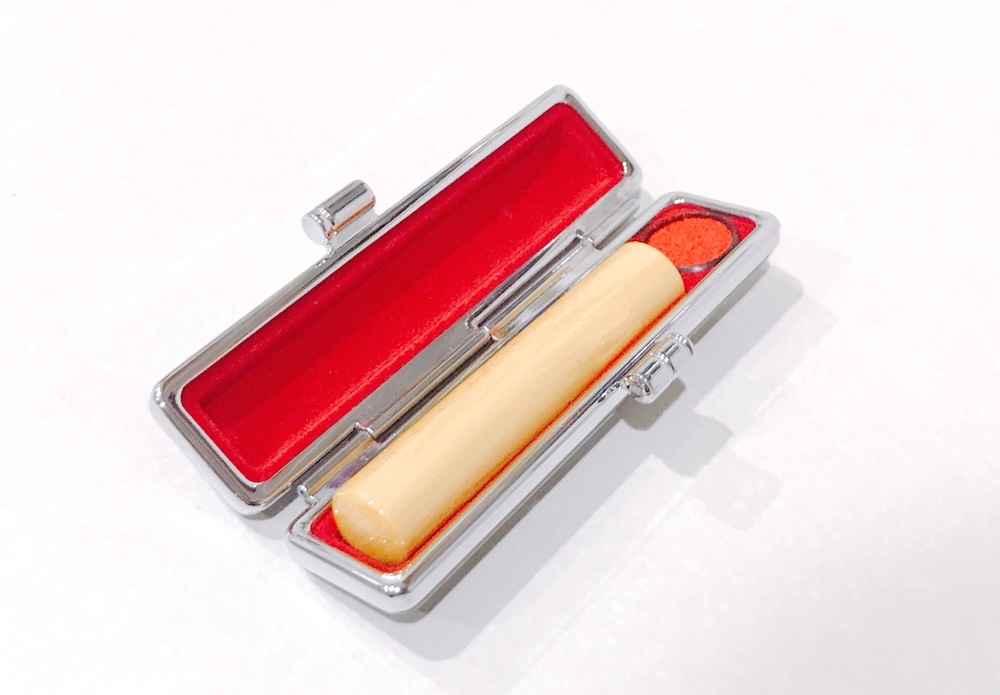
So what exactly is a hanko? A hanko is a stamp that has your name, or part of your name carved onto it and is used to affix your signature to official documentation. While both the terms hanko and inkan are used interchangeably, technically the hanko is the physical item while the inkan is the seal it leaves behind. Hankos come in various shapes though circular is the most common. A hanko is used by pushing it into an inkpad, usually with red ink, first and then pressing it onto a document to leave a stamp.
Different Kinds of Hanko
There are several different kinds of hanko used in Japanese society. Let’s look at them one by one in order of importance.
Jitsuin: The jitsuin is the most official inkan and is registered to your local government. This is used for specific official or legal procedures or for large purchases. This includes things such as purchasing a house, taking out a bank loan, signing a will or buying a car. A jitsuin needs to be registered with your local municipal office by completing a form and presenting appropriate identification. A jitsuin must fit specific size specifications and have your legal name. You can only have one registered jitsuin at a time.
Ginkoin: This inkan is used for opening or closing a bank account or anything else to do with banking. While not quite as official as the jitsuin, it is still considered quite important and is usually registered with your bank as part of opening an account.
Mitomein/Sanmonban: These hanko are used for unofficial matters such as receiving a package or acknowledging a document. The only difference between a mitomein and sanmonban is that the sanmonban is usually mass produced and manufactured of much cheaper materials which makes it even less official. Aside from package delivery, these are also often used in office work for signing off on internal documents. The most popular form of sanmonban is the shachihata, which is a brand name of self-inking stamp. These are so ubiquitous that the brand name is often used when talking about them regardless of the manufacturer.
Corporate Hanko: Aside from personal inkan, there are also corporate ones that represent a particular company. Without going into excessive detail, these kinds of hanko also range in degrees of formality. There are official registered corporate seals used for legal documents, all the way down to specific company seals used to brand things like invoices and receipts.
Where to Get a Hanko
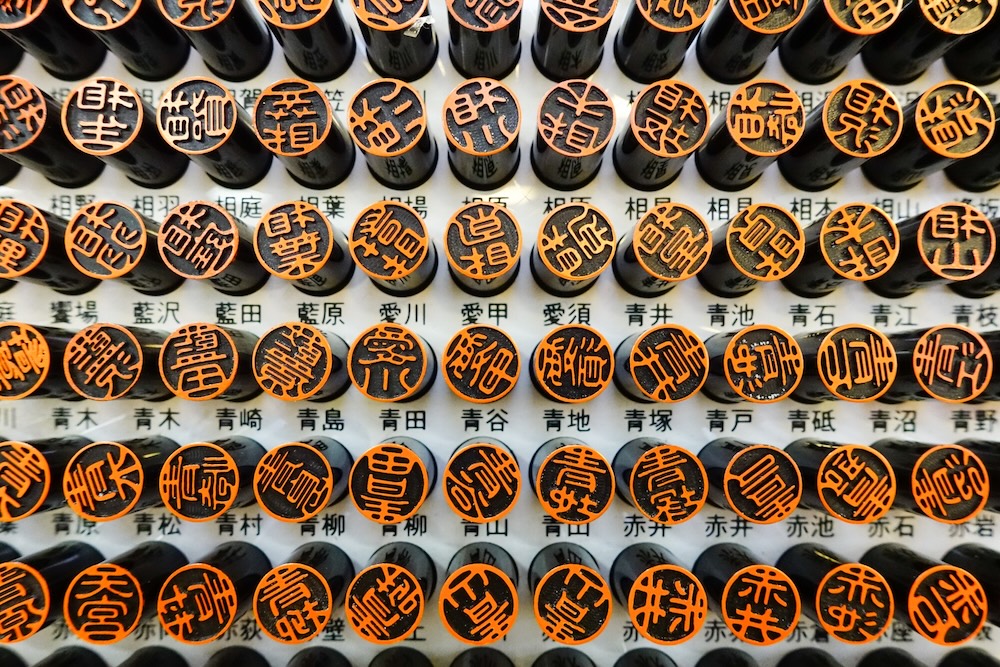
There are many places that you can purchase a hanko but more official ones, especially ones intended to be used for jitsuin, are meant to be somewhat unique and difficult to forge. While you can buy off the rack ones if you have a Japanese name, or even get custom made ones through vending machines at variety stores like Don Quijote, they’re probably not the best in terms of quality or security. While they are fine for unofficial purposes, something a little more bespoke is usually better for more formal seals.
One way to get a hanko is to order a custom made one online. There are numerous sites available that allow you to customize everything down to the smallest detail, from the size and shape right through to the specific material your hanko is made of. For a more personal touch, there’s also the option of visiting a hanko specialty store. There are still many small hanko specialist shops throughout Japan that will craft one for you to your exact specifications.
As for what kind of hanko you need, it's a good idea to have a ginkoin for opening a bank account. A mitomein is also convenient though most things you may use it for could also be done by signature. Registering a jitsuin needs to be done through your city hall but actually using one is quite rare, meaning it certainly isn’t something that needs to be rushed out and purchased right away.

The Hanko in Modern Society
Usage of the hanko is slowly declining in modern Japan, especially post coronavirus when it was suddenly difficult for people to physically go places to affix their seal to documents. The government actually announced they would be phasing out the usage of them in official procedures though while it has been removed for a vast majority, it still remains required for a handful. Many places have also become more accepting of a person’s signature nowadays, especially if you are a foreign resident. Sometimes you will meet a resident who has only ever had to put their inkan on something a handful of times.
Despite the decline, they are still widely used enough where having one will save you some headaches. Some employers still use them as an essential part of signing an employment contract and many banks still require them for major account actions. There will likely come a day where hanko are no longer in use at all but for now, they seem to be firmly embedded in some parts of society.