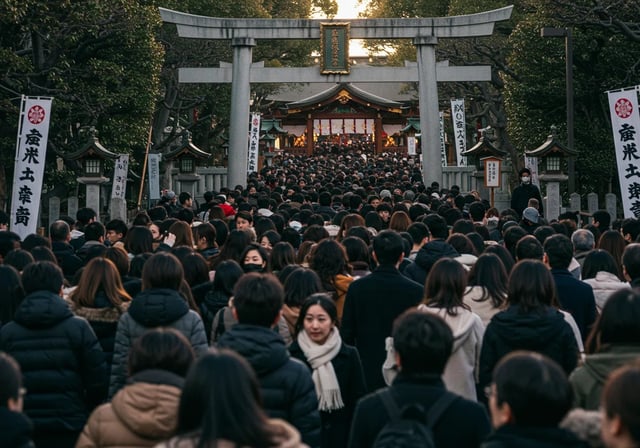
When people imagine working in Japan, their thoughts often go straight to Tokyo’s neon-lit streets, Osaka’s food culture, or Kyoto’s historic charm. These megacities dominate international perceptions of Japan, and for good reason. They are vibrant, globally connected, and full of opportunity.
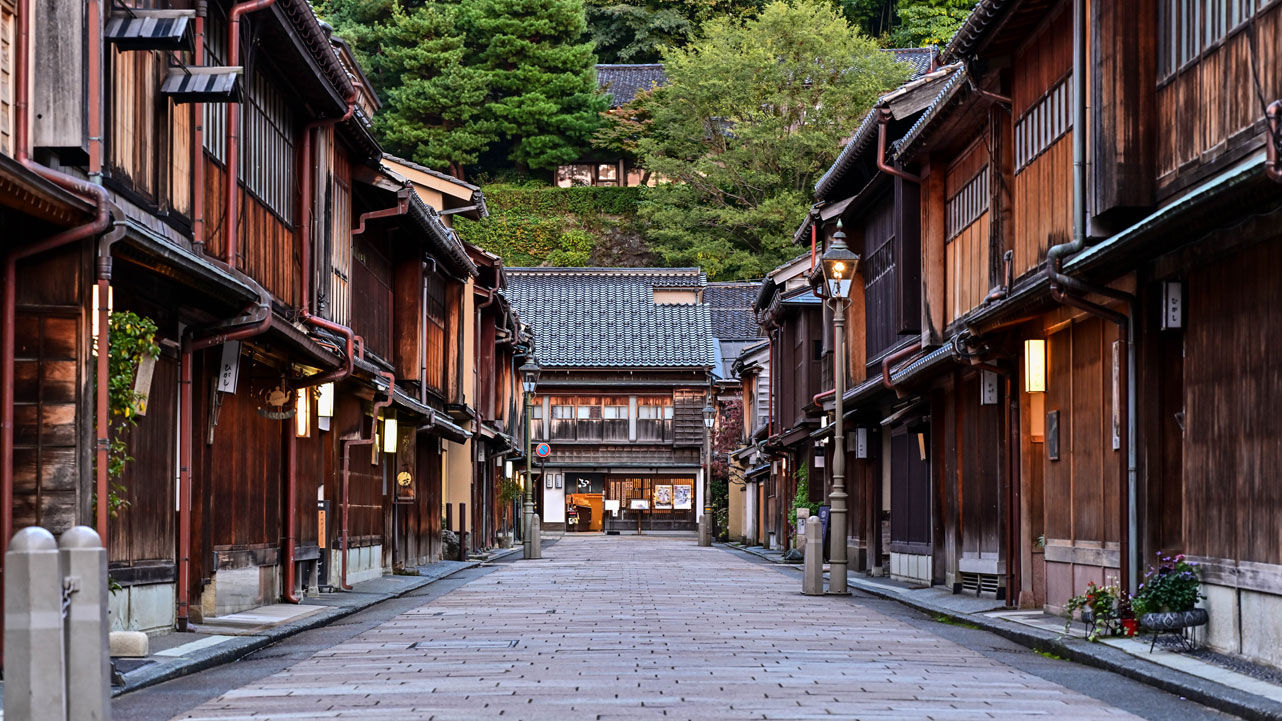
But for many foreign professionals, some of the most rewarding experiences of living and working in Japan happen far from the crowded commuter trains and high-rise offices of the major metropolitan centers. Smaller cities like Nagasaki, Kanazawa, Matsuyama, or Morioka, offer a version of Japan that is often overlooked, yet deeply appealing for those seeking balance, connection, and quality of life.
As Japan actively encourages regional revitalization and attracts foreign talent beyond its largest cities, living in a smaller Japanese city is no longer a compromise. You may find it to be, in fact, an upgrade.
A Slower Pace Without Losing Convenience
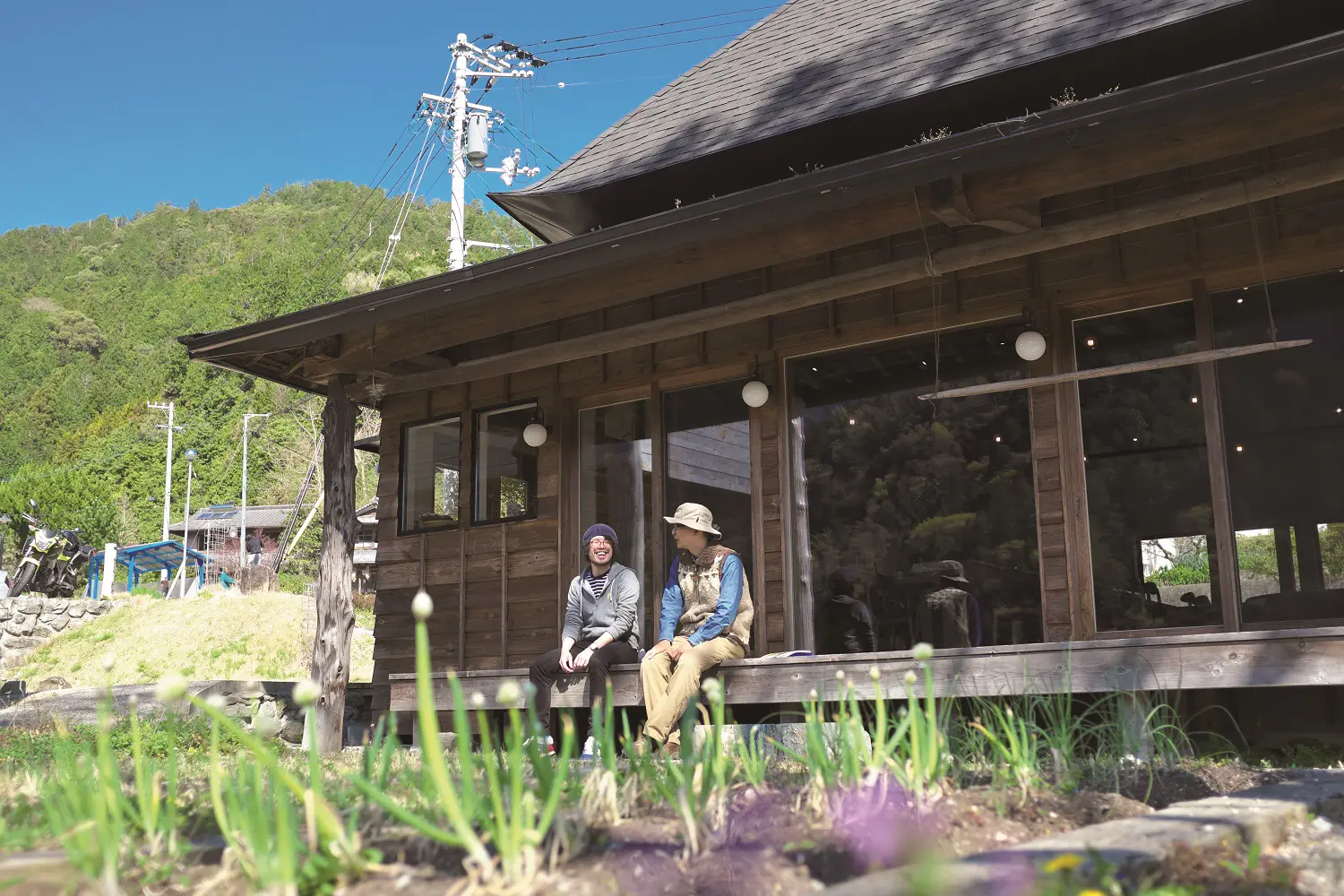
One of the most immediate differences between Japan’s megacities and its regional cities is pace. In smaller cities, daily life moves more slowly. That’s not to say it’s less efficient, however. Trains still run on time, public services remain dependable, and essential infrastructure is well maintained.
What changes is the pressure. Commutes are shorter, crowds are thinner, and errands rarely feel like endurance tests. Offices tend to operate with clearer boundaries between work and personal time, and the expectation of constant availability is often lower than in Tokyo-based corporate environments.
Contrary to popular belief, for foreign workers adjusting to Japanese professional norms, this calmer environment can make cultural adaptation far less overwhelming. There is more space (both mentally and physically) to learn, observe, and integrate.
Lower Cost of Living, Higher Quality of Life
Housing costs alone can dramatically alter a foreign resident’s experience in Japan. In Tokyo, rent often consumes a large portion of income, especially for those early in their careers or working in non-executive roles. In contrast, smaller cities offer significantly more affordable housing, often with larger living spaces and better access to nature. My 3DK apartment, for example (a 10-minute walk from Nagasaki Station and a 20-minute walk from the city center), costs me ¥53,000.
Lower living costs also extend to daily expenses. Dining out, transportation, parking, and recreational activities are generally cheaper, allowing you to save money or simply live more comfortably. This financial breathing room is especially valuable for foreign professionals navigating visa renewals, language study, or long-term settlement plans.
In many regional cities, it is possible to enjoy a comfortable lifestyle without the financial strain commonly associated with Japan’s biggest urban centers.
A Stronger Sense of Community

Perhaps the most understated advantage of smaller cities in Japan is the sense of community. While megacities offer anonymity, regional cities give you the chance to become a part of it. Shop owners remember faces. Restaurant staff learn preferences. Neighbors exchange greetings, and sometimes vegetables!
For foreigners, this familiarity can be transformative. Instead of feeling like a temporary outsider, many residents find themselves gradually woven into the fabric of daily life. Local events, festivals, and neighborhood associations create natural opportunities for interaction that are harder to access in larger cities.
This environment also encourages language learning. In places where English is less commonly used, daily interactions become practical study sessions, accelerating fluency and confidence in ways that classroom learning cannot.
Addressing Concerns About Being Foreign in Japan
One concern frequently raised by foreigners considering Japan is the fear of anti-foreigner sentiment. While isolated incidents do exist, they are often amplified online and do not reflect the everyday reality for most foreign residents, particularly outside heavily touristed areas.
In fact, smaller cities often provide a more welcoming environment precisely because they are not overwhelmed by short-term visitors. Locals are more likely to approach you with genuine interest rather than just another tourist. Familiarity builds trust and a stronger sense of community, and repeated interactions replace assumptions.
Many long-term foreign residents report that living in regional cities feels surprisingly comfortable. Living in Nagasaki, for example, I have never been refused service, treated unkindly, or made to feel unwelcome because of my nationality (although I cannot say the same for other more tourist-heavy cities). Rather than standing out negatively, I have mostly been met with curiosity, patience, and genuine warmth.
This does not mean that challenges disappear entirely, but it does suggest that smaller cities can offer a more human, less transactional experience of life in Japan.
Professional Opportunities Beyond Tokyo
Another common misconception is that meaningful work opportunities exist only in Japan’s largest cities. While Tokyo remains a major employment hub, regional Japan is increasingly home to international-facing companies, research institutions, universities, and startups.
Many local governments actively support foreign professionals as part of regional revitalization efforts, offering incentives, language support, and community integration programs. Industries such as manufacturing, IT, renewable energy, tourism, education, and healthcare often have strong regional presences.
Remote and hybrid work have further expanded possibilities. For professionals who can work partially or fully online, smaller cities offer an ideal base: stable infrastructure, reliable internet, and a far higher quality of life for the same income.
Cultural Richness Without the Crowds
Living outside major tourist centers also allows residents to experience Japan more authentically. Seasonal festivals are attended primarily by locals, not tour groups, historical sites are quieter, and the surrounding nature feels closer and more accessible.
Smaller cities often have deep historical identities, sometimes more pronounced than those of larger cities shaped by constant redevelopment. Local traditions, dialects, and customs remain visible parts of daily life, offering a richer cultural experience for those willing to engage.
For foreigners interested in understanding Japan beyond surface-level impressions, regional living gives you the chance to get involved rather than just watch from the sidelines.
The Trade-Offs to Consider
Of course, smaller cities are not for everyone. Public transportation may be less frequent, nightlife options are more limited, and international communities are smaller. Access to specialized services or foreign-language support can require more effort. If you are new to the language and culture, you might find the learning curve to be much steeper than in a bigger, more international city.
However, for many foreign professionals, the benefits, like affordability, community, balance, and authenticity, far outweigh the inconveniences. The key is aligning location with lifestyle priorities, rather than defaulting to the most famous city.
A Different Kind of Japan
Choosing to live in a smaller Japanese city is about redefining opportunity. It offers you a chance to experience Japan at a more personal scale. You’ll find daily life to feel more manageable, your relationships to feel realer, and that work fits into your life rather than consuming it.
For foreigners considering Japan not just as a destination, but as a place to build a life and career, regional cities deserve serious consideration. Sometimes, the most rewarding version of Japan is found not where everyone else is looking, but just beyond the spotlight!