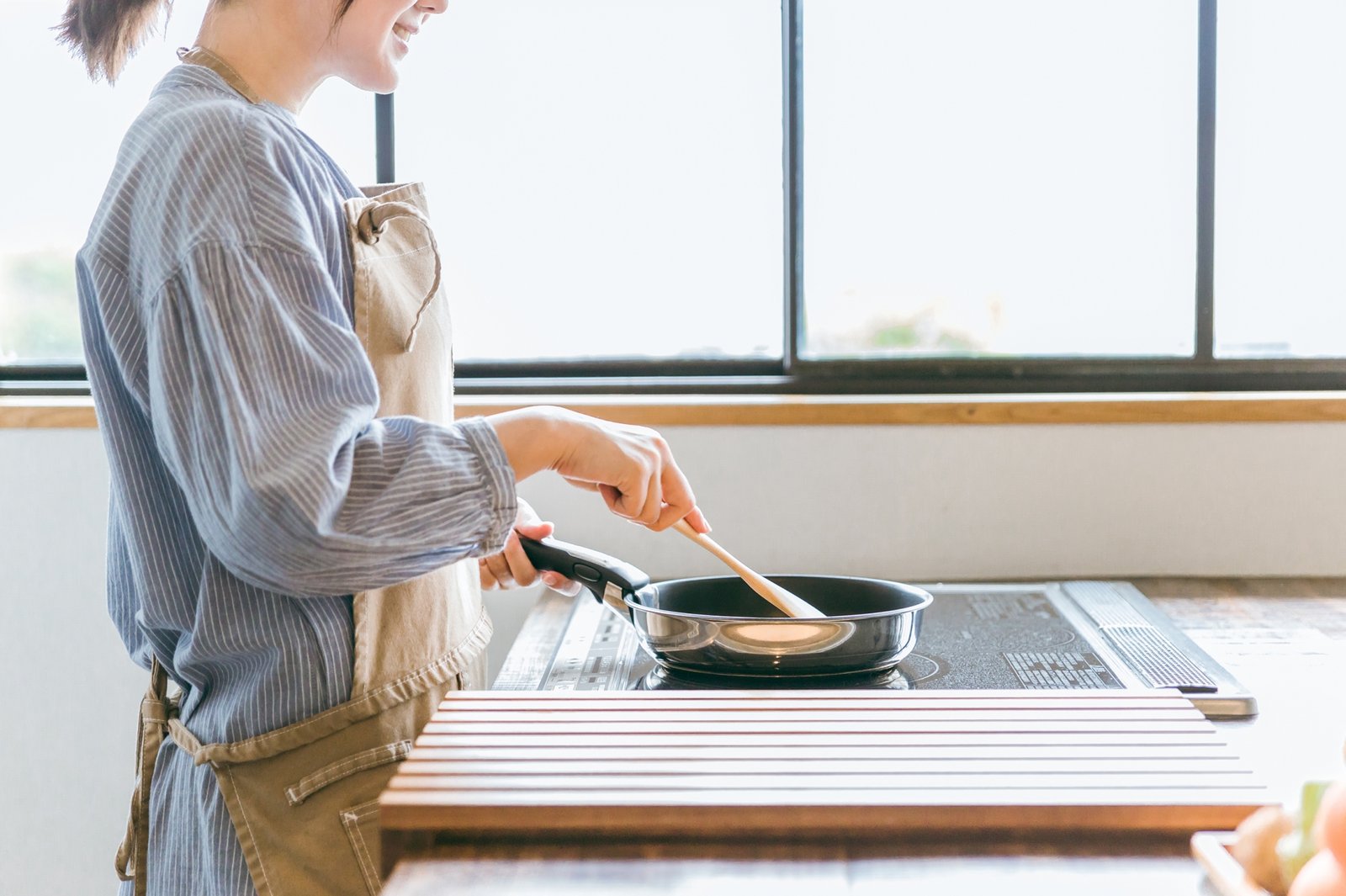
Going out to eat in Japan can be surprisingly affordable compared to many countries, so much so that it can be very tempting to do all the time when living here. Cheap, filling meals are available in many places but the relatively low prices can actually make it very easy to overdo it and stray outside your budget. If you’re trying to save money or eat healthier, cooking and eating at home has always been the better option, even in Japan.
Since 2022, Japan has experienced fairly rapid inflation and rising food costs. This has been caused by a number of factors including the ever-weakening yen and rising import costs. Food costs have risen steadily in the years since and eating out has become more and more expensive. As such, if you live in Japan, there has never been a better time to take advantage of cooking at home. That said, cooking and shopping in Japan on a budget can be a very different experience to cooking and shopping in your home country. Here we are going to take a look at some of the major differences and explore ways to make the most of your home kitchen.
The Kitchen Differences
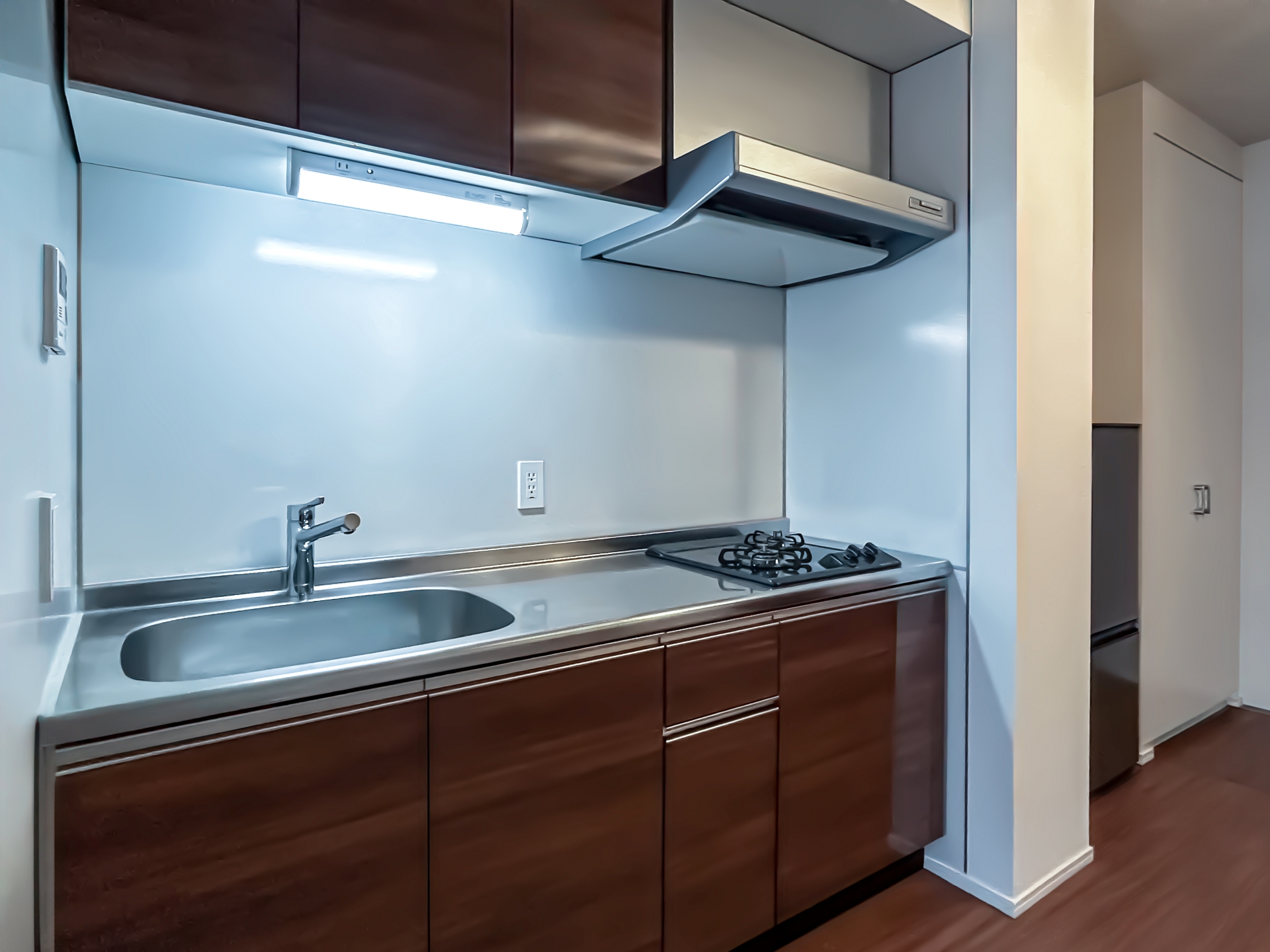
The thing that many people immediately notice on first moving into a home in Japan is the difference in kitchens. Whether you’re in a house or an apartment, Japanese kitchens are usually very compact compared to their western counterparts. Typically, a Japanese kitchen is equipped with a small two-burner stove, and sometimes a small grill for cooking fish. Ovens are not a feature of Japanese kitchens as they are not typically used in Japanese home cooking. If you’re someone who enjoys baking or roasting back in your home country, it can be quite an adjustment to suddenly have the option removed completely from your cooking repertoire. Most home bakers in Japan typically find themselves investing in a high-end microwave with a baking function.
Another striking thing about Japanese kitchens is that there is usually much less bench space. In smaller apartments, food preparation is often be confined to a small gap between the sink and the stove. Storage space for food and leftovers can also be much smaller than what people from other countries may be used to. In fact, all these differences in the kitchen are both influenced by and an influence on the way people cook and shop. People in Japan are much more likely to shop multiple days a week or even daily, and to prepare simpler meals that don’t require an abundance of space or many different types of kitchen appliances.
Shopping for the Season
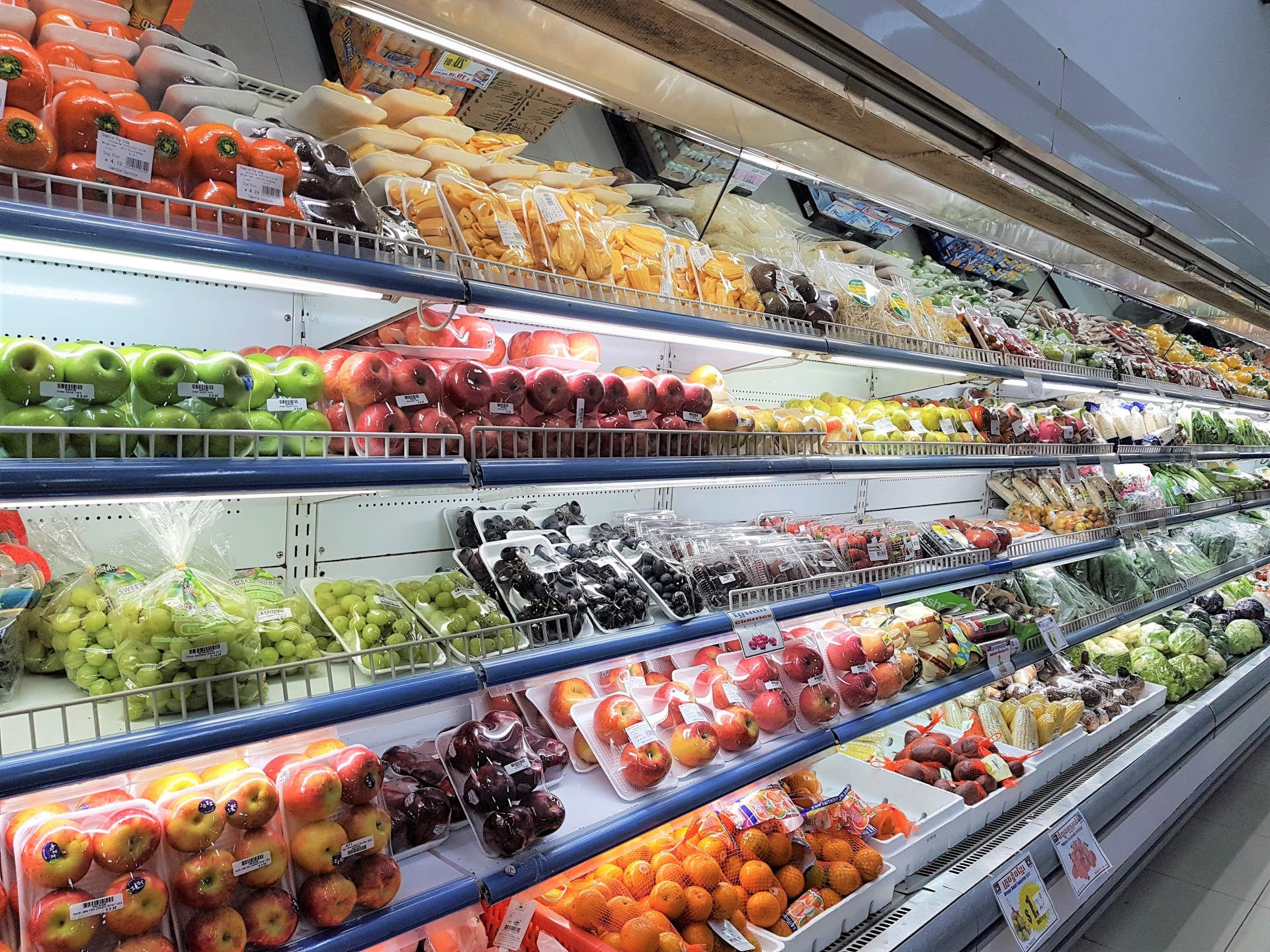
Cooking at home means shopping for ingredients and one of the first things to understand about grocery shopping in Japan is the importance of shopping for the season. The concept of shun (旬), or the peak season for ingredients, is enormously important and effects what ingredients you can buy and at what prices.
In many countries, like the US and the UK, supermarkets operate on large global supply chains that ensure that ingredients are often available year round. Prices fluctuate according to season but you are usually still able to get things such as strawberries, watermelon or tomatoes any time of the year. This is not always the case in Japan where off-season items disappear completely from the shelves or are reduced to very small quantities. When shopping in Japan, it’s good to be aware of what’s in season and plan your meals accordingly. It’s usually easy to spot the seasonal ingredients based on what is cheap and abundant in the supermarket, but it’s good to be aware of a few seasonal items for spring (strawberries, bamboo shoots), summer (eggplant, edamame, watermelon), autumn (sweet potato, mushrooms) and winter (daikon, citrus fruit). By shopping with the seasons you’ll not only be able to save money but have the freshest ingredients for your meals.
Where to Shop
Supermarkets are the staple of the Japanese grocery shopping experience and you can usually get everything you need in a single trip. Product availability is quite broad and even though supermarkets still very much follow seasonal availability, you usually have a much better chance of finding things that may not be in season, albeit at inflated prices. You can also get a good idea of what’s in season and what’s not by browsing the fresh food section in the supermarket and seeing what's there in large amounts.
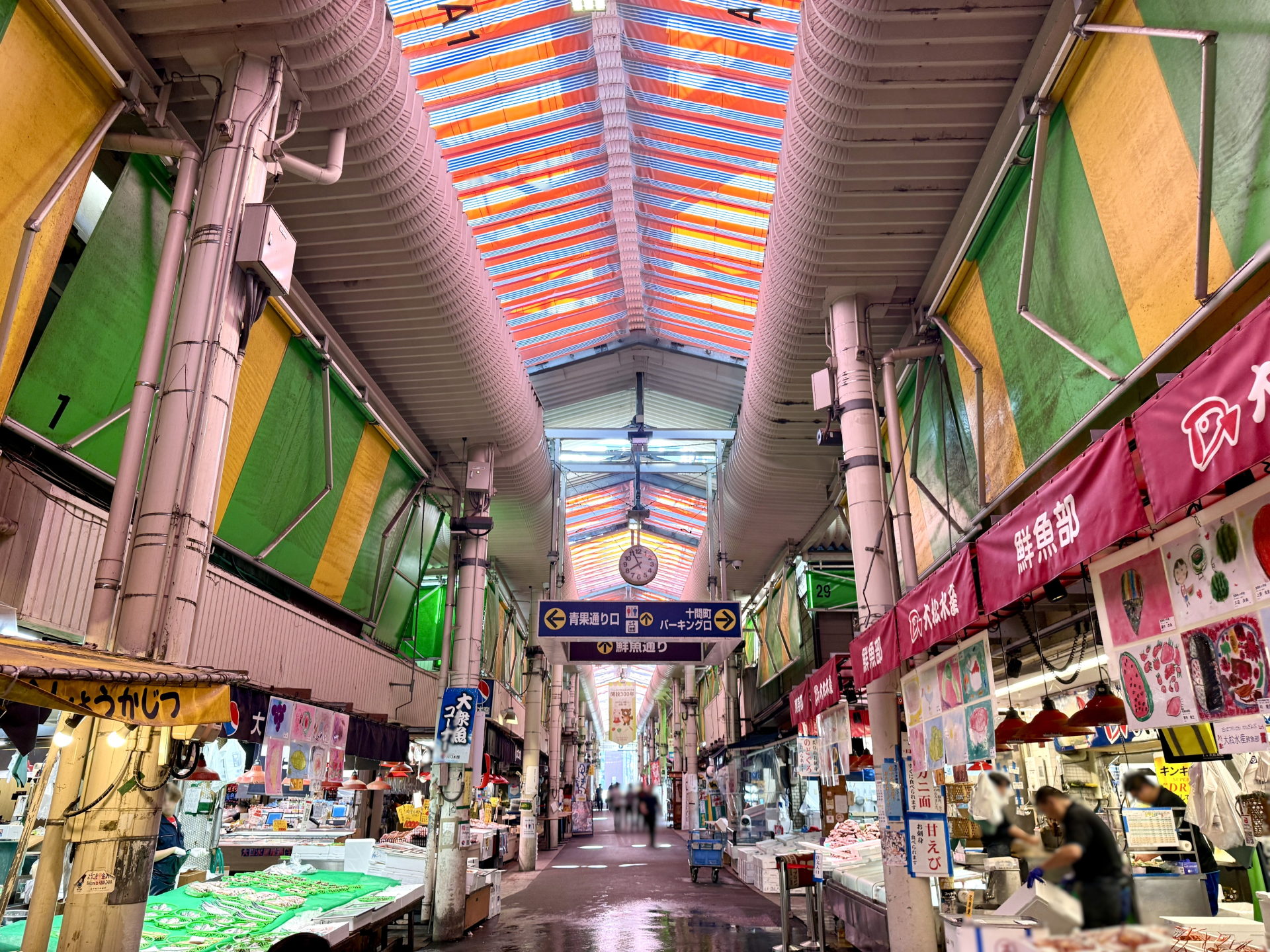
As long as you don’t mind making multiple stops, you can often find fresh produce at independent greengrocers, fruit shops, fishmongers and butchers for cheaper prices and excellent quality. These can often be found grouped together in shopping streets or local markets. If you’re living in a major city, make sure to stick to smaller, local markets as those in more tourist-heavy areas tend to be more expensive.
Practical Tips for Home Cooking in Japan
Once you’ve established the ins and outs of your kitchen and shopped for your ingredients, it’s time to make the most of them. Leaning into more Japanese-style cooking takes full advantage of the available ingredients and as such, one essential appliance is a rice cooker. With rice as the staple of most meals, very few Japanese kitchens are without one and they are more versatile than you mqy expect. As well as cooking rice, some can be used to steam vegetables or even bake simple cakes.
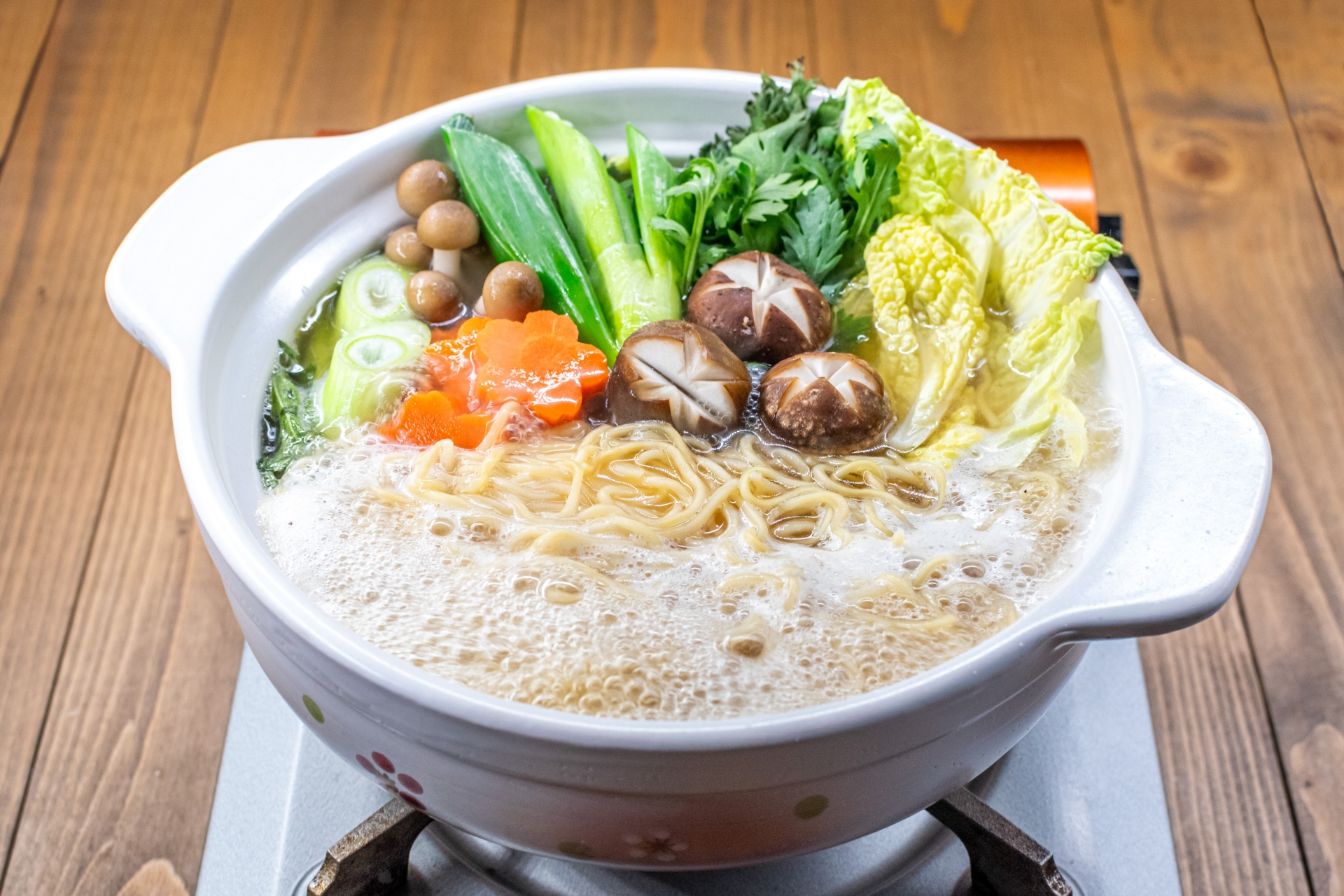
As for what to cook, learning how to make very simple donburi rice bowl style dishes and stir fries can be very beneficial for days where you don't have much time to prepare a meal. Both of these are well suited to the limited preparation and cooking space of a Japanese kitchen and can be made very quickly. Another time-saving dish, and a staple of Japanese home cooking is nabe (a style of hot pot). A favorite in winter, supermarkets stock many kinds of pre-made nabe soup so it’s often simply a matter of chopping vegetables and meat and throwing it in the pot. As well as being quick and easy, it makes for an extremely nutritious, healthy meal. Noodle dishes like udon are also very simple to make at home using store bought dashi and other ingredients.
If you’re shopping for the season, it’s a good idea to cook for the season as well. While nabe is popular in winter, things like cold noodles or hiyashi chuka are popular in summer. Learning how to make seasonal dishes is a great way to make the most out of your shopping budget.
Cooking and Eating Better in Japan
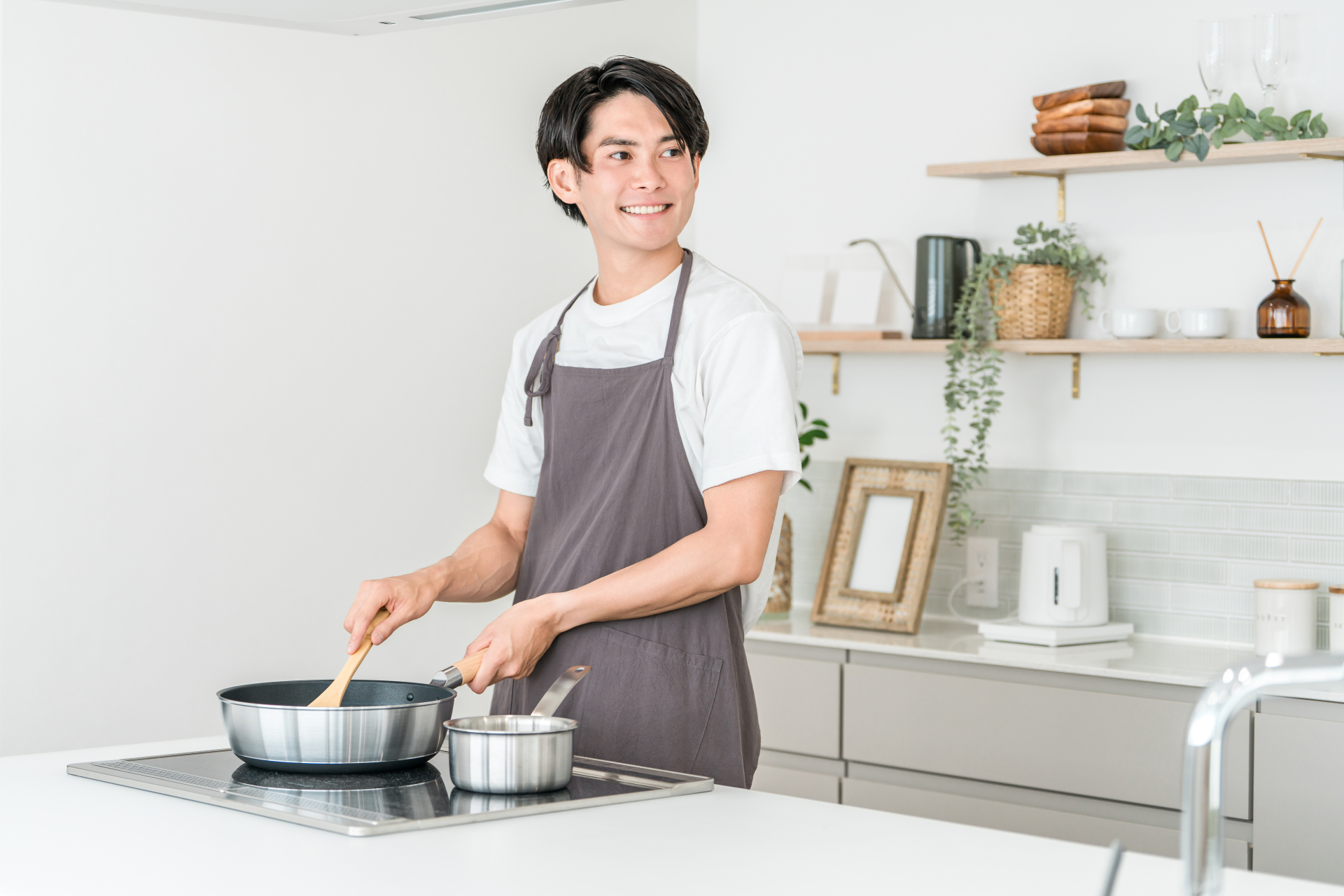
Cooking is one of those things that people rarely consider when moving from another country to Japan and as such, people who enjoy cooking at home in their own country are often surprised by the differences. While it's usually feasible to make exactly the same things you did back home, if you’re not cooking with seasonal ingredients, you can blow out your grocery budget surprisingly fast. Eating out is relatively cheap but is not always the healthiest option. In fact, the Japanese reputation for a healthy diet comes mostly from the food people grow up eating at home rather than that found in restaurants. Making the most of home cooking in Japan is a great skill to learn and is beneficial both for your wallet and your health.