Last checked: October 7, 2026. The timeline below distinguishes current changes from earlier provisions.
If you have been following news about Japan recently, you may have noticed more discussion than usual about immigration, foreign residents, and the rules surrounding long-term residence.
If you are considering moving to Japan for work, this can understandably raise questions. Is it becoming harder to move to Japan? Are work visas changing? What does this mean if you eventually want permanent residency?
There have been genuine changes to Japan’s immigration and foreign-resident policies, particularly around permanent residency and the management of foreign residents. At the same time, this doesn’t mean that Japan is closing its doors to foreign workers.
Japan continues to have established residence statuses for foreign professionals, including the Engineer/Specialist in Humanities/International Services status, which covers a range of professional employment at Japanese companies and other organizations.
For people considering moving here from abroad for work, the key is to understand which changes affect your intended status, your budget and your longer-term plans.
Japan’s Foreign Resident Population Is Growing
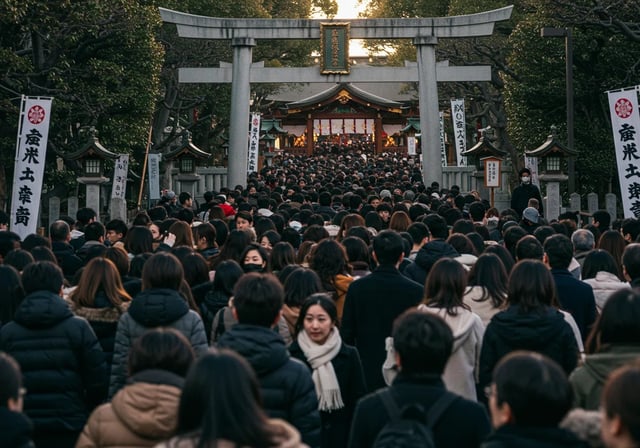
One reason immigration policy has become a more prominent issue is that Japan has more foreign residents than ever before.
According to Japan’s Immigration Services Agency, there were 4,125,395 foreign residents in Japan at the end of 2025, an increase of 9.5% from the previous year. These figures describe the end of 2025, rather than the current population.
Foreign residents are becoming an increasingly visible part of Japanese society, workplaces, schools, and local communities. In response, the Japanese government has introduced measures intended both to support foreign residents and strengthen immigration management.
The Cabinet Secretariat has established an office dedicated to promoting a “well-ordered and harmonious coexistence” with foreign nationals, including coordinating policies concerning foreign residents.
The issue isn’t as black and white as trying to attract more people or keeping people out. It is increasingly focused on how foreign nationals enter, work, live, and participate in Japanese society. That makes understanding the rules more important than ever.
What Is Actually Changing?
There are changes affecting both everyday residence procedures and permanent residency. They do not all start on the same date.
When? | What changes? |
|---|---|
October 1, 2026 | New fees apply to applications for residence-status changes, extensions and permanent residence received from this date. |
October 2026, with transitional application rules | Revised PR income assessment also affects some pending applications. Check the application-date guidance below. |
April 1, 2027 | The revised PR guidelines generally apply to new applications. New PR-revocation provisions also begin. |
Budget for the New Residence-Permit Fees
Renewal and status-change fees now depend on the period granted. For an online application resulting in one year of permission, the total is ¥27,330, including the payment-processing fee. Applications received by September 30, 2026 retain the previous fees, even if approved later. Online applications made from October 1 use convenience-store or bank payment rather than revenue stamps.
See the official fee-change notice and online fee table for the amount applicable to your procedure.
Permanent Residency: Income and Timing Matter
The October 1 guidelines assess household income against Japanese household averages for the household size. Income provisions also affect applications submitted from April 1, 2026 and still pending when the revision was issued. The full revision generally applies from April 1, 2027. Check the official application-date explanation.
Three-year permissions satisfy the longest-period condition for applications submitted by March 31, 2027. Afterwards, the exception requires holding a three-year permission on that date, making the first PR application since April 1, and receiving its decision before that permission expires. Applying before expiry alone is not enough. See the revised PR guidelines.
Getting permission to work in Japan and qualifying for permanent residency remain separate processes. However, the fee changes affect ordinary renewals and status changes too.
Work Visas and Permanent Residency Are Different Things
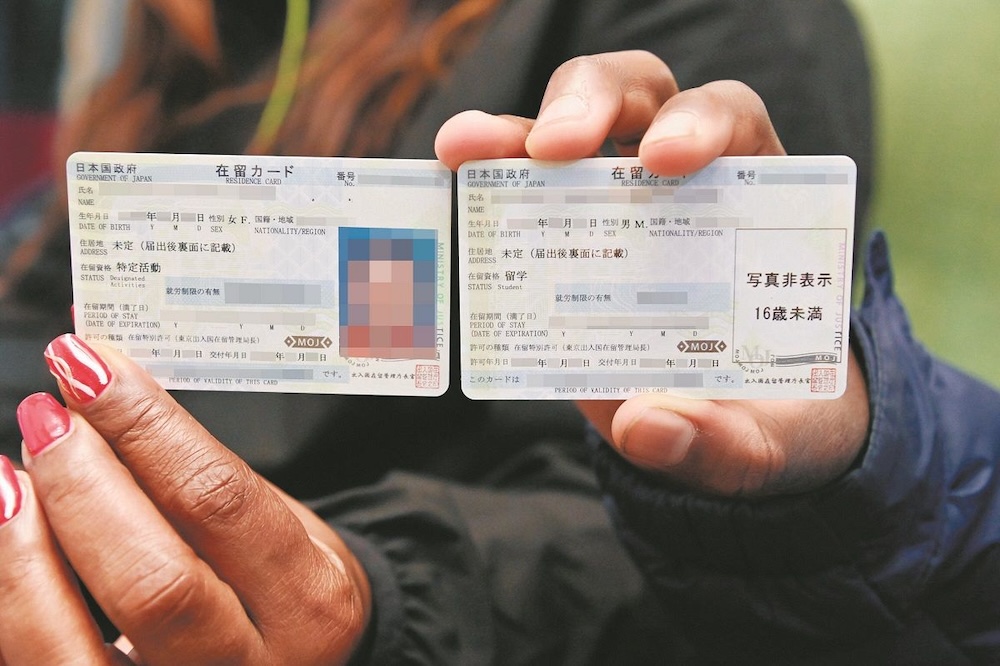
A status of residence for work (在留資格(ざいりゅうしかく)) determines what activities you are permitted to undertake in Japan. For example, the Engineer/Specialist in Humanities/International Services status covers certain professional activities at Japanese companies and other organizations.
Permanent residency is a separate status that removes many of the restrictions associated with other statuses of residence.
PR normally requires 10 years of continuous residence, including five qualifying years on work or residence statuses; exceptions apply. Conduct and compliance with public obligations also matter.
For prospective workers, the practical takeaway is simple: getting a job in Japan and eventually qualifying for permanent residency are two different steps.
You do not need to have your entire future in Japan figured out before you apply for your first job.
Why Keeping Your Records Matters
That said, even if permanent residency is not on your radar when you first arrive, you should always be taking your responsibilities as a resident seriously.
Japan’s Immigration Services Agency provides guidance for foreign residents covering taxes, pensions, health insurance, banking, and everyday life. For someone planning to stay in Japan for several years, keeping yourself organized from the beginning can make future processes much easier.
This includes keeping track of your residence status and making sure you’re up to date with legal obligations like taxes, your public pension, and health insurance payments.
What Changes for Existing Permanent Residents?
From April 1, 2027, additional PR-revocation grounds cover intentional non-payment of taxes or social contributions, certain immigration-law obligation failures and specified criminal offences. Revocation is assessed individually; a late payment does not automatically mean losing PR. The framework also provides for changing to another status in appropriate cases.
The official explanation and revocation-guideline notice distinguish the new provisions from existing grounds.
Learning Japanese: Work and PR Have Different Expectations
For PR applications from April 1, 2027, B1-equivalent Japanese ability becomes an assessment factor, with exceptions. This is not a universal language requirement for every work status. See the PR guidelines.
You may be able to begin a job in Japan with limited Japanese, depending on the position. Some teaching jobs, for example, are conducted primarily in English, while other professional roles have different language expectations.
But your experience outside of work will always be easier if you continuously work on improving your Japanese. Being able to read government notices, understand documents, communicate with neighbors, speak with coworkers, and handle everyday errands gives you greater independence and a level of confidence that can make all the difference in your experience.
You may be able to improve your Japanese after arriving, but check the requirements for your particular route. If PR is your goal, language learning deserves a place in your plans from the beginning.
Japan Still Has Opportunities for Foreign Workers
Let’s put the recent policy changes into perspective.
Japan continues to maintain residence statuses specifically designed for foreign workers and professionals. The Immigration Services Agency provides pathways for people working in fields covered by statuses such as Engineer/Specialist in Humanities/International Services, while the broader foreign-worker system includes multiple categories depending on a person’s qualifications and occupation.
International workers and residents are already a significant part of Japanese society. That does not, by itself, tell you whether you qualify for a particular status.
For job seekers, there are still legitimate opportunities to build a life in Japan. The important thing is to approach those opportunities with realistic expectations and a willingness to understand the system you are entering.
What This Means If You Are Thinking About Moving to Japan
If you are considering a job in Japan, the recent changes require you to stay informed, but they’re not necessarily a reason to give up on the idea.
You do not need to arrive with your entire future mapped out. But if you hope to build a long-term life there, developing good habits from the beginning can put you in a better position.
1. Research your status of residence.
Start by understanding which status applies to the job you are considering and what activities it permits. Your employer and the Immigration Services Agency can provide information relevant to your situation.
2. Keep your administrative responsibilities in order.
Pay attention to your residence status, taxes, public pension, health insurance, and required immigration notifications. Proper fulfillment of public obligations is also important when it comes to permanent residency.
3. Think about your long-term plans when you’re ready.
You do not need to decide on permanent residency before you have even moved to Japan. But if you eventually want to stay permanently, get familiar with the requirements instead of assuming the rules will always be the same.
The most important thing is to stay informed. Immigration rules can change, and the requirements several years from now may not be identical to those in place when you first arrive.
A More Informed Way to Think About Japan’s Immigration Changes
Headlines about immigration changes can make it seem like Japan is becoming impossible for foreigners to enter or remain in, but the reality is more nuanced. Japan is adapting its immigration system as its foreign-resident population grows, while continuing to provide opportunities for foreign workers.
If you are considering a move to Japan, the best thing you can do is stay informed and take things one step at a time. Check the status and costs that apply to your job, keep your records in order, and review the requirements early if permanent residency is part of your plan.