
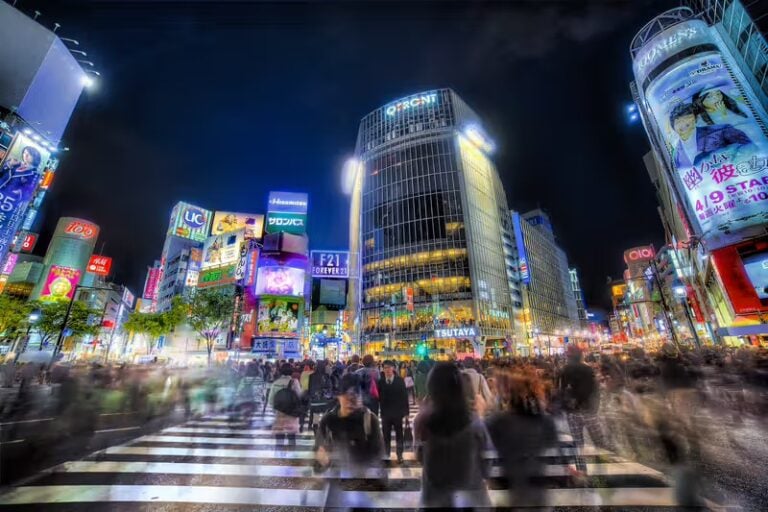
When I first boarded the plane to Japan 5 years ago, I thought I knew what I was getting myself into. I’d read the guidebooks, watched countless YouTube videos, and memorised basic phrases like arigatou gozaimasu and sumimasen. What I didn’t expect was how profoundly Japan would reshape not just my daily routines, but my entire worldview. Living in Japan doesn’t just change where you are. It changes who you become.
If you’re considering making the leap to work in Japan, prepare yourself for a transformation that goes far deeper than learning to use chopsticks or navigating the train system. Here are 3 unexpected ways Japan will fundamentally change your perspective on life, starting with the most surprising discovery of all.
You’ll Become a Better Listener (And Actually Enjoy Silence)
Back home, I was the person who filled every awkward pause with chatter. Silence made me uncomfortable, and I prided myself on being a “good conversationalist”—which, looking back, often meant being a good talker. Japan completely rewired my understanding of communication.
My first real lesson came during a work meeting in my second month. I was eager to prove myself, so I jumped in with suggestions and questions at every opportunity. Afterward, my Japanese colleague gently pulled me aside and said something that stuck with me: “Your ideas are good, but when you listen more, people feel heard. In Japan, we call this kiku—the act of truly listening with your heart.”
This wasn’t just about cultural politeness; it was about recognizing that some of the most meaningful communication happens in the spaces between words. I started noticing how my Japanese coworkers would pause thoughtfully before responding, how they’d nod with genuine attention during conversations, and how comfortable they seemed with moments of quiet reflection.
The change in me was gradual but profound. In restaurants, instead of rushing to fill silence with small talk, I began appreciating the peaceful atmosphere. During cherry blossom season, I found myself sitting quietly under the sakura trees in Ueno Park, not because I was antisocial, but because I’d learned to value contemplative moments.
This skill transformed my relationships back home too. When I video-called my family, instead of dominating the conversation with my Japan stories, I found myself asking better questions and really listening to their answers. My sister even commented that I’d become “more present” in our conversations. Who knew that moving to Japan would make me a better friend and family member?
The Japanese concept of ma (間), the meaningful pause or negative space, taught me that silence isn’t empty; it’s full of possibility. Whether you’re in a meeting, on a date, or just riding the train, you’ll discover that some of life’s most beautiful moments happen when you stop talking and start truly listening.
You’ll Feel the Value of Preserving Your Culture More
This one caught me completely off guard. I expected to fall in love with Japanese culture—and I absolutely did. What I didn’t expect was how living in Japan would make me appreciate and want to preserve my own cultural heritage more than ever before.
It started when my Japanese friends began asking me about British traditions. “How do you celebrate Christmas differently from movies?” “What music did you grow up with?” At first, I fumbled through explanations, realising how little I’d actually thought about my own cultural practices. They were just… normal life, right?
But watching how meticulously the Japanese preserve their traditions (from the elaborate osechi preparations for New Year’s to the careful passing down of regional festival customs) made me realise how casually I’d been letting my own heritage slip by. I started noticing how my Japanese colleagues would speak with reverence about their grandmother’s recipes or their hometown’s summer matsuri, treating these traditions as precious treasures rather than outdated customs.

During my first Golden Week, I decided to host a small British Roast Dinner for my Japanese friends. As I searched for ingredients to make my grandmother’s roast chicken, I found myself calling her for the first time in months, not just to get the recipe, but to ask about her childhood and our family’s stories. That phone call led to the most meaningful conversation we’d had in years.
I began celebrating British holidays in Japan with an intentionality I’d never had back home. Halloween became an opportunity to share the tradition of pumpkin carving with my coworkers.
My Japanese friends’ genuine curiosity about my culture made me see it through fresh eyes. I started collecting items from home (not touristy things, but meaningful ones): my grandmother’s sausage roll recipe, photos from regional festivals I’d attended, music from local bands from my hometown. These became conversation starters that led to beautiful cultural exchanges.
Living in Japan taught me that culture isn’t something you’re born with and automatically understand; it’s something you actively choose to carry forward. When you see how carefully the Japanese tend to their cultural garden, you can’t help but want to do the same for your own roots.
You’ll Gain a Deep Appreciation for Natural Food
Before Japan, I thought I knew what “fresh” meant. I shopped at farmers markets, bought organic produce, and considered myself health-conscious. Then I experienced a Japanese morning routine: stopping by the local fish market where vendors were selling fish that had been caught that very morning, picking up vegetables from nearby farms, and realising that what I’d considered “fresh” back home was already days old by Japanese standards.
The transformation in my relationship with food happened gradually. It started with simple observations: the way Japanese groceries organised produce by season, how restaurants proudly displayed the origin of their ingredients, and how my Japanese colleagues could tell the difference between rice varieties with the same precision that wine enthusiasts discuss vintages.
My first real awakening came during a visit to a traditional ryokan in the countryside. The breakfast spread looked modest compared to the elaborate buffets I was used to, but each item was exceptional: rice that had been grown in the local paddies, eggs from chickens I could see roaming outside, vegetables picked that morning from the inn’s garden. The simplicity forced me to actually taste each component rather than mindlessly consuming calories.
I started shopping differently. Instead of grabbing whatever was convenient, I began visiting smaller shops that sourced locally. I learned to read the tiny labels indicating where produce originated, and I started planning meals around what was in season rather than whatever I was craving. Takenoko (bamboo shoots) in spring, nasu (eggplant) in summer, kaki (persimmons) in fall—each season brought its own anticipation.
The concept of shun (旬), eating foods at their peak season, became more than just a Japanese cultural concept; it became a way of connecting with the natural world around me. I found myself looking forward to seasonal transitions not just for the weather changes, but for the new ingredients they would bring.
Perhaps most surprisingly, this appreciation for natural, seasonal food made me a better cook. When ingredients are truly fresh and high-quality, you don’t need to mask them with heavy sauces or elaborate preparations. I learned to let the natural flavors shine, whether I was preparing a simple bowl of rice or grilling fresh fish.
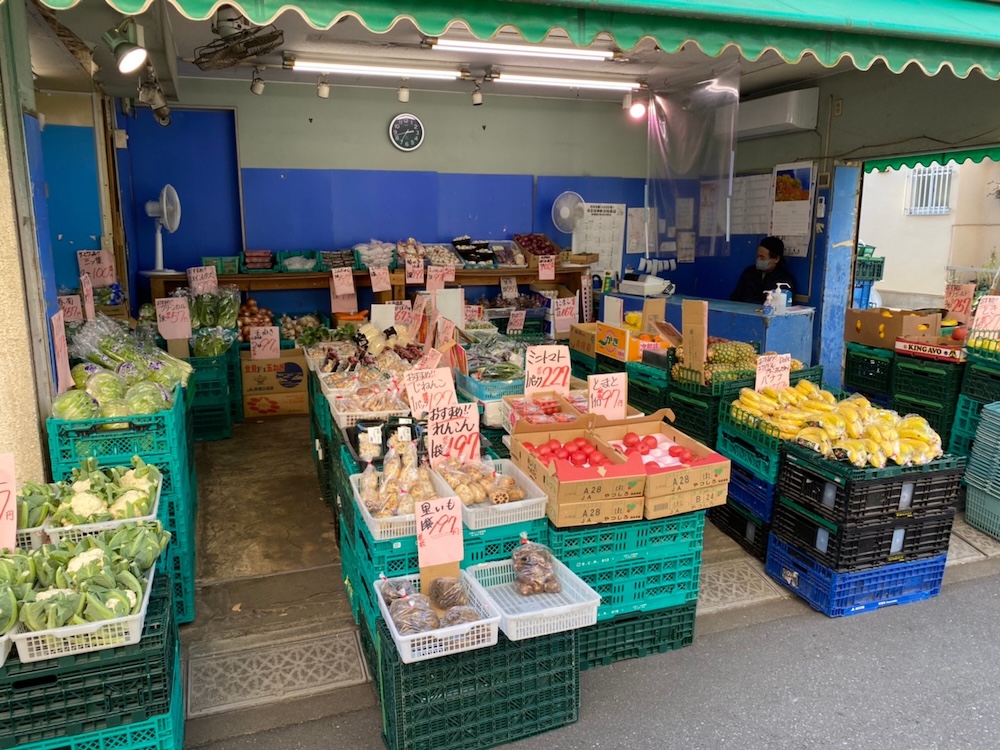
This mindset followed me everywhere. Even convenience store food in Japan has a quality and freshness that amazed me. The onigiri rice balls are made fresh throughout the day, and the sandwiches use ingredients you can actually identify. It raised my standards for what I was willing to put in my body, even for quick meals.
The Ripple Effects of Transformation
These 3 changes (becoming a better listener, valuing cultural preservation, and appreciating natural food) might seem unrelated, but they’re all part of a larger transformation that Japan facilitates. This country has a way of slowing you down just enough to notice details you’d previously overlooked, whether it’s the pause in someone’s speech, the story behind a family tradition, or the sweetness of a perfectly ripe tomato.
Living in Japan doesn’t just add new experiences to your life; it fundamentally shifts your perspective on what matters. You’ll find yourself approaching challenges with more patience, relationships with more presence, and daily choices with more intentionality. These aren’t just nice side effects of living abroad. They’re life skills that will serve you long after you’ve mastered using chopsticks.
The beauty of this transformation is that it doesn’t require you to abandon who you are. Instead, Japan helps you become a more thoughtful, appreciative version of yourself. Whether you stay for one year or ten, these changes become part of who you are, enriching every aspect of your life both in Japan and beyond.
So if you’re on the fence about making the move, know that you’re not just considering a job change or a cultural adventure. You’re considering a fundamental upgrade to how you experience the world. And trust me, that’s a transformation worth making.