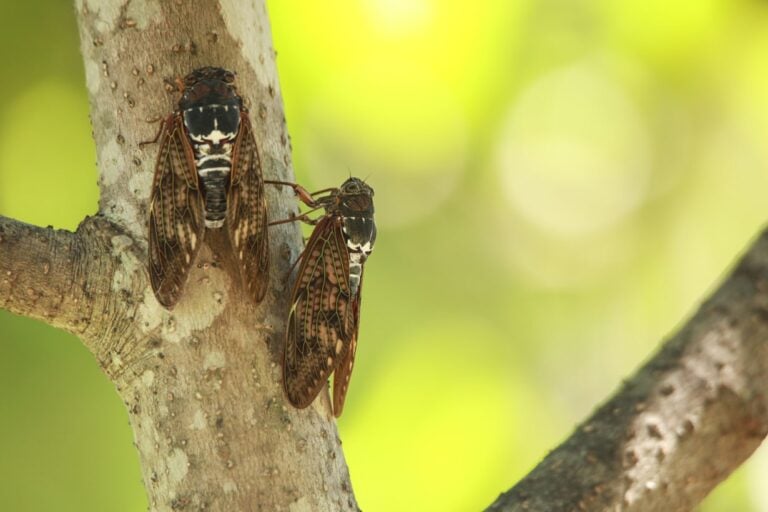
There are few things more iconic about a Japanese summer than the sound of cicadas. If you’ve ever watched an anime set in August or taken a stroll through a shady park in mid-July, you know exactly what I mean. The buzzing, whirring, rising-and-falling cries feels like a seasonal soundtrack after you’ve experienced them a few times. For me, cicadas weren’t a novelty when I moved to Japan. Growing up in Chicago, I was already used to hearing them each summer. Still, nothing quite prepared me for how loud or how constant they are here.
In Japan, cicadas don’t just signal summer—they are summer. They buzz from trees, walls, power poles… basically anywhere they can settle. The sound is inescapable, and somehow, essential. And while their cries might drive some people crazy, they’ve come to mark the season in an oddly comforting way. In this article, I’ll share how cicadas, a sound I once took for granted, became one of the most vivid and nostalgic sensory markers of summer life in Japan.
First Encounters in Kumamoto
My first Japanese summer experience was short and sweet. It was the tail end of the season, spent in Kumamoto when I was 17. At that time, everything felt new. The humidity was like a heavy blanket, the greenery almost unnaturally vibrant, and even the sky seemed to glow in a slightly different shade. But what I remember most clearly is the sound. The cicadas were everywhere. Their buzzing echoed through alleyways, parks, schoolyards, and even the train stations.
Growing up in Chicago, I was used to cicadas. We get them every year, too. But there was something different about hearing them in Japan. Maybe it was the intensity, or maybe it was the setting. I heard them as I wandered through unfamiliar neighborhoods, tried unfamiliar food, and absorbed a language I barely spoke. Their cries became the backdrop to an entirely new chapter of my life, and even in that short time, their presence left a strong impression.
Years later, when I returned to Japan for a longer stay, I moved to Nagasaki. There, I experienced my first full Japanese summer, and the memory of cicadas came rushing back. Except this time it felt louder, more constant, and more deeply entwined with daily life than I had anticipated.
The Soundtrack to Daily Life
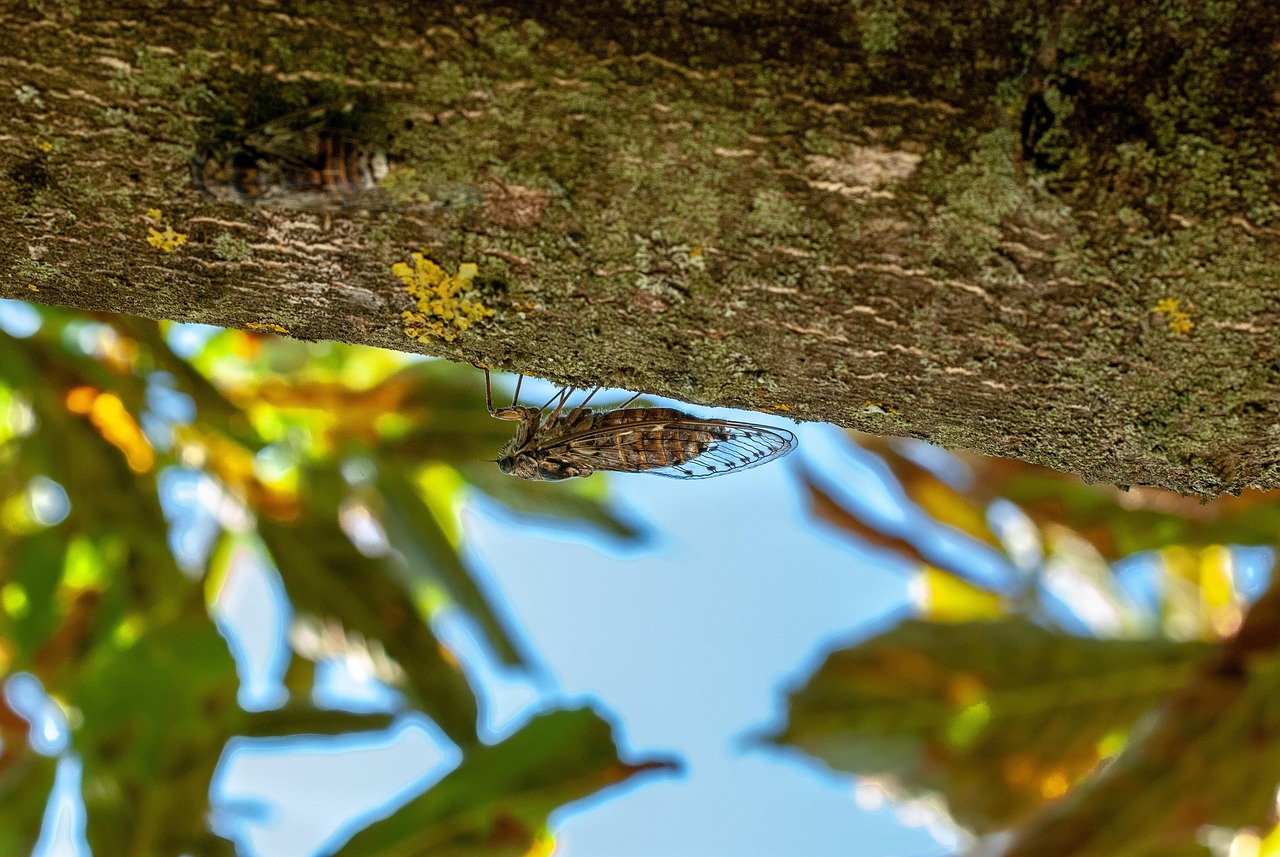
One of the clearest memories I have from that first full summer was sitting at my desk in the staff room. It was a slow desk warming day in mid-August. The air conditioning was going, my coworkers chatted about lesson plans, and yet above all that, I could hear them. Loud and relentless. I could hear them from inside as if I was standing right outside under a tree full of them. And it wasn’t just once! It was every. Day. Morning, noon, and late afternoon, I heard them through open windows and bouncing off the walls of the school.
I’d walk to the local convenience store and they’d be right there with me. I’d sit outside waiting for a bus and they’d be buzzing away. At first, I thought it was only a matter of time before I grew tired of them. But instead, it became a sort of calming white noise for daily life. Their sound actually ended up defining summers in Japan for me.
And while it reminded me of my childhood summers back in Chicago, it also felt entirely different. Maybe it was the intense humidity that came along with all the buzzing, but here, the cicadas seemed to represent endurance, the sticky slowness of summer, and even the kind of quiet companionship that can exist between people sharing the same unbearable heat.
What’s in a Buzz? Cicada Varieties in Japan
Japan is home to several different species of cicadas, and each has its own unique cry. There’s the minmin-zemi (ミンミンゼミ), whose high-pitched “min-min-min” call is probably the one most often heard in anime and dramas. Then there’s the abura-zemi (アブラゼミ), which produces a lower, almost sizzling buzz. Like hot oil in a pan! The tsukutsuku-bōshi (ツクツクボウシ) has a more melodic, rhythmic chirp that almost sounds like it’s saying its name.
I’ll admit I still can’t tell most of them apart just by ear, but knowing there are different types has made me pay more attention. Some locals grow up learning to identify them by sound alone, and even small children can sometimes name them. That’s one of those little cultural details I’ve come to appreciate. It turns a generic summer noise into something personal and familiar.
Over time, I’ve learned to enjoy the differences in tone and timing. Some emerge earlier in the season, others appear in late August, just before the typhoons roll in. Kind of like a seasonal clock!
Cicadas in Pop Culture and Memory
Cicadas are such a staple of Japanese summer that they regularly appear in anime, movies, and literature. Think of any scene where a character walks home under the blazing sun or pauses in a quiet park, and you’ll hear them. That buzzing sound isn’t just background noise. It’s emotional shorthand. It says, “This is summer”.
After spending a few summers in Japan, those depictions hit differently. The sounds are accurate, almost enough to make me feel like I’m right there too.
The sound also connects to the theme of fleetingness, or setsunai (切ない) beauty. Cicadas live short adult lives, emerging only to buzz, mate, and disappear. There’s a kind of poetry to that, and it reflects the broader way summer (and really, any of the seasons) is felt in Japan: not just as a time of fun and fireworks, but as a moment that will end, and so must be appreciated while it’s here.

The Spirit of Japanese Summer
In Japan, cicadas have become part of the emotional language of summer. They show up in haiku, classical poetry, and daily conversation. They evoke heat, sunshine, nostalgia, quiet afternoons, and the slow rhythm of summer days.
For me, they’ve become a yearly reminder of not just my Midwestern roots but also of how different and vivid Japanese summers are. Along with their sound, I also think of the taste of kakigōri, the sight of kids in yukata at festivals, and the feeling of warm (sometimes painfully hot!) pavement under sandals. While I still mostly think of cicadas as hot weather noise, they’ve grown into the ultimate symbol of the passage of summer.
The silence when they finally stop in early September is jarring. Their absence is just as noticeable as when they first appear. And somehow, I still miss them just a little bit when they’re gone.
Cicadas might not be everyone’s favorite part of summer, but they’ve certainly earned their place in mine. They’ve come to be another representation of seasonal change. They’re a bit of shared experience that ties me to both home and my life in Japan. And every time they start singing, I know it’s truly summer.