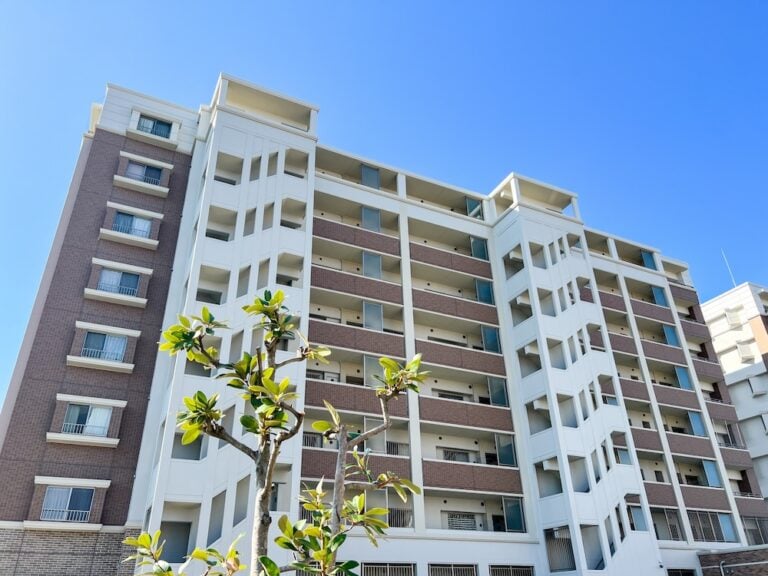
By now, the challenges of apartment hunting as a foreigner in Japan are fairly well known. From navigating rental contracts and guarantors to the myriad of extra costs such as key money and agent fees, just securing a place to live can be a daunting and surprising experience for most people new to the country. But what happens after you move in? Believe it or not, there still may be some more surprises waiting to come. Here are some things about moving into and living in a Japanese apartment that may surprise you.
Bring Your Own Fixtures
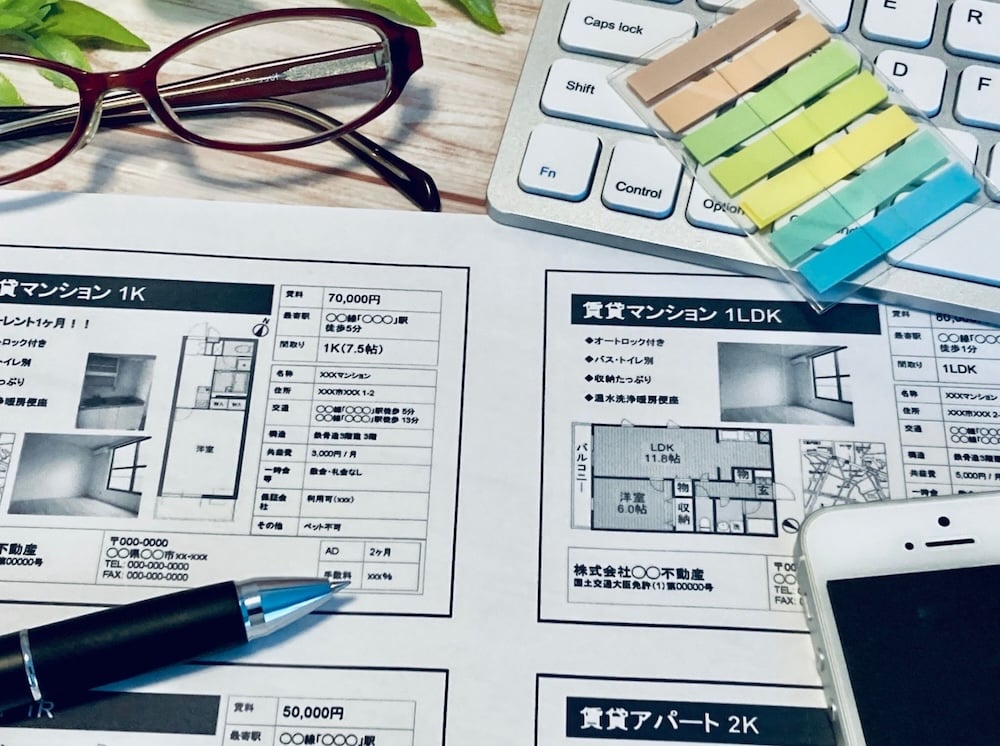
Things that are included in a rental apartment differ from country to country, often leading people new to Japan to make assumptions about what will be included with their new place. For one thing, unless you are specifically renting a fully furnished apartment, appliances are never included (fridge, washing machines etc.). An exception to this is a kitchen stove which may or may not be included depending on how the kitchen is built. If one is not preinstalled in the kitchen, you will need to buy either a gas or electric one yourself from an appliance store.
This also goes for heating and air conditioning. Heating and cooling are not things the landlord is under any legal obligation to provide and as such, is something to keep an eye out for when looking at apartments. Many modern apartments nowadays have dual heating/air con units included, however there are definitely still a huge number of apartments and houses without them and you will need to purchase your own. Both air conditioning and heating are essential for Japanese summers and winters, especially considering that most apartments in Japan are lacking in insulation.
Light fittings and curtains are also generally not included with apartments and you will most likely need to purchase your own. With curtains in particular, this can be a bit of a challenge as you usually need to move in first in order to get the measurements for the windows.
Car and Bicycle Parking
Even if your apartment building has a huge parking lot, you may be surprised to find out you are not automatically guaranteed a parking space, especially if you’re living in a major city. Parking is often handled separately from your apartment rental with an extra monthly parking rental fee to be paid and separate registration/application forms to be filled out. The parking fee can be quite expensive and in line with demand, the company handling it may choose to rent the spaces to someone not even living in the same building. If you’re counting on having a car parking space, make sure you sort this out during the initial rental application. Fees for renting a parking space can also be surprisingly expensive in major cities like Tokyo or Osaka.
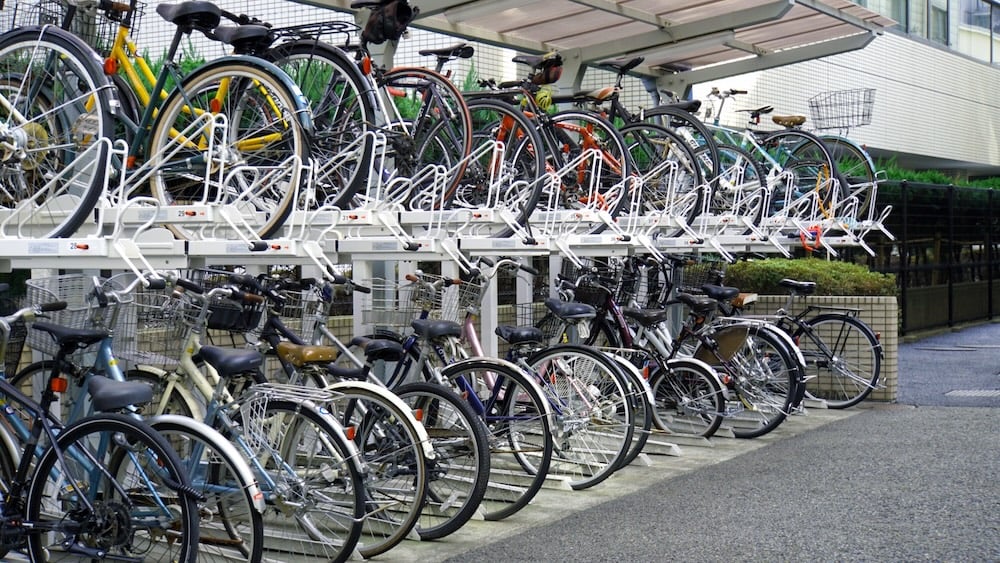
Bicycle parking is thankfully a lot easier though the rules can change substantially from place to place. Many apartment buildings will allow free parking in designated spaces. Others may charge a small monthly fee. Again, it is best to make sure this is clear with your landlord or rental company as parking in the wrong place can lead to your bicycle being removed and impounded. One other essential thing is to always ensure your bike is registered. If your bike doesn’t have a registration sticker on it, there is a very good chance it will be removed and impounded by the apartment building’s management.
Noise Rules
Many countries have noise restriction laws in place after certain times to prevent people from disturbing their neighbours late at night. Noise restrictions for apartments in Japan tend to be a little stricter partially due to thin walls and the aforementioned lack of insulation. The standard rule is that noise should be minimal between the hours of 10pm – 8am however even doing things like playing loud music or slamming doors during the day can land you in trouble.
If you live in a reinforced concrete building, soundproofing will be stronger though sounds may travel through the floor and ceiling. If you live in a building made of wood or lighter materials, you need to be very mindful of noise at night. It’s certainly not uncommon to hear of foreigners getting in trouble for late night phone calls or watching TV with the volume too loud. One other thing to be careful of is specific rules for your building. It’s not uncommon for apartments to have either restrictions or an outright ban on playing musical instruments as part of the contract.
Garbage Disposal
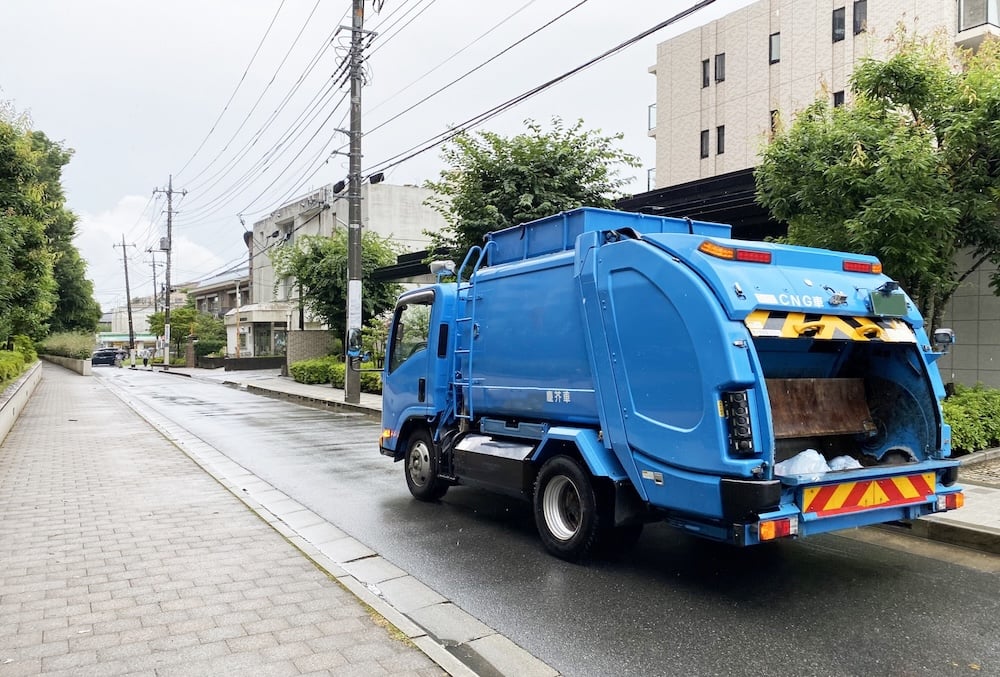
Garbage collection and recycling rules vary by city in Japan and often even by wards within the same city. Your apartment building will most likely have its own set of rules for garbage disposal that you will need to be familiar with. Rules often include things such as only taking your trash out on specific days and at specific times and not leaving it out overnight. It’s also a pretty universal rule that all recyclable rubbish should be separated correctly and properly rinsed. The rules can vary from building to building and not following them can lead to problems with neighbors and building management so it’s always best to make sure you know them.
Getting Comfortable at Home
Like many things in Japan, apartments have many differences that can be surprising for a foreigner just moving in. Knowing what you need to prepare ahead of moving in can be enormously helpful. Once you’re comfortable in your new place, it’s just a matter of ensuring you follow the rules to ensure harmony with your neighbors and building management.