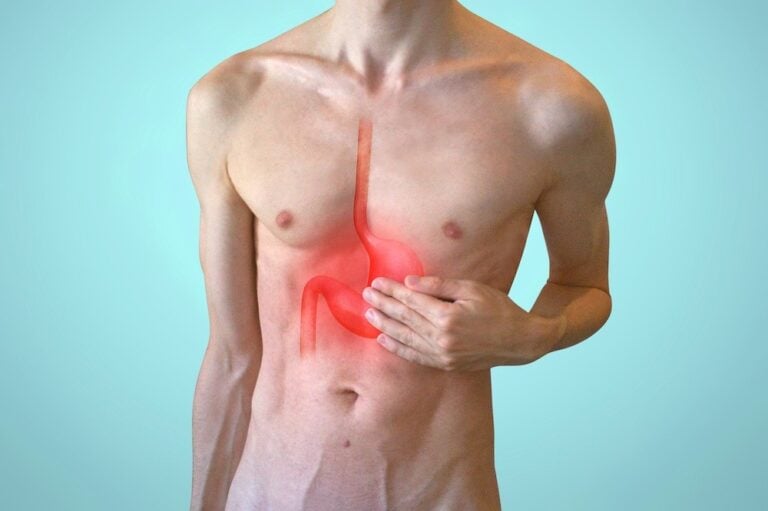
I’ve had GERD (Gastroesophageal Reflux Disease) for many years now. It didn’t start when I was a kid, or even when I was living in the Philippines. It actually began, surprisingly, after I moved to Japan years ago. I don’t exactly know the main cause, if it could be the stress of adjusting to a new environment, a change in diet, or maybe even just my body being more sensitive than usual, but it happened, and it was a struggle for me initially, especially since I was not initially diagnosed properly by doctors when I first started experiencing my symptoms.
Living with GERD while trying to build a life in Japan has become a challenge since it heavily affects what I eat, how I sleep, how I work, and even how I spend my time socializing with friends. Over time, however, I’ve slowly learned to manage it better without sacrificing the small things that give me joy in life. If you’re living in Japan and struggling with reflux, here are the things that helped me and may help you as well in the process.
Sleeping on a Wedge Pillow
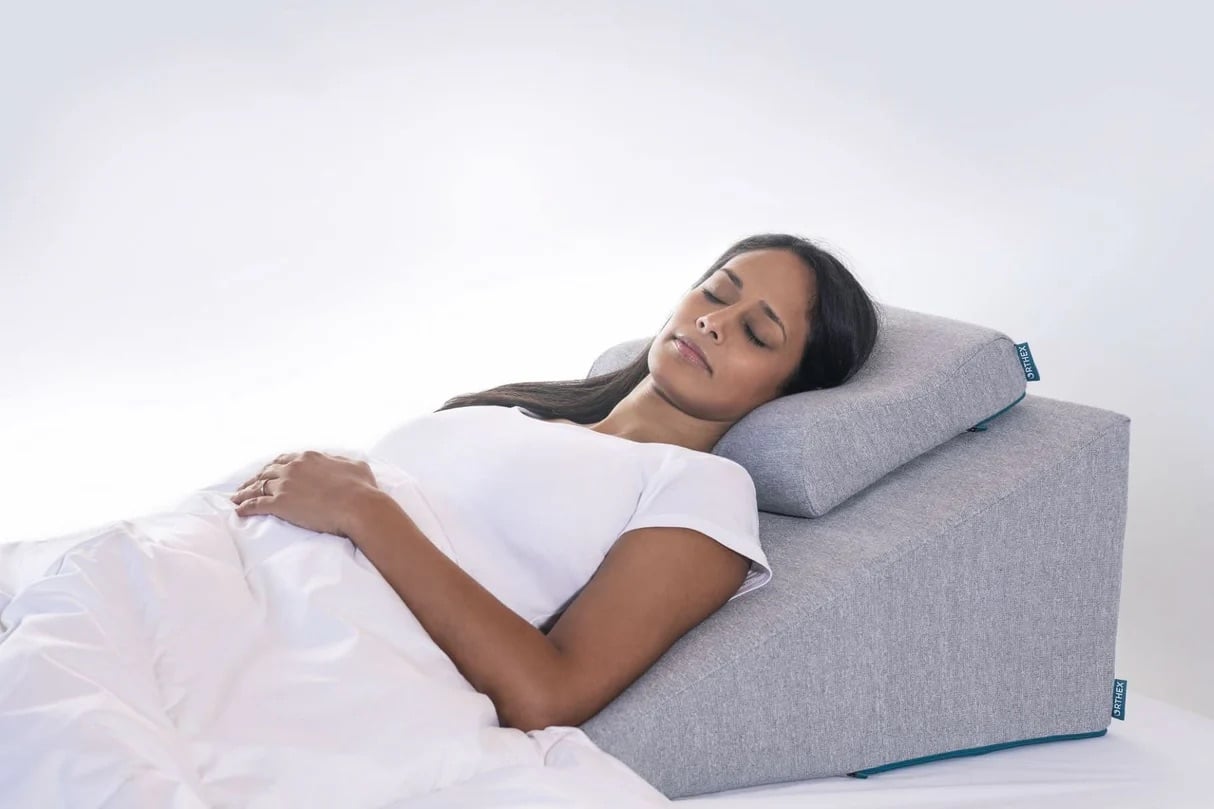
I didn’t even know wedge pillows existed until I started doing research out of desperation. I used to wake up in the middle of the night with a burning sensation in my throat or chest, sometimes even choking on stomach acid. At one point, I developed tinnitus due to the acid reaching my middle ear.
I did a lot of research on my condition and eventually, I found wedge pillows on Amazon Japan. There are so many types that you could choose from, and I honestly just chose one based on good reviews and, most importantly, if the price is reasonable. The one I use is firm, angled at about 30 degrees, and just wide enough to support my upper back and head. It’s not the most comfortable thing at first, but once you get used to it, you realize it really works and makes a big difference.
Sleeping on a wedge keeps stomach acid from rising up while you sleep and helps tremendously in improving your quality of sleep as well. This was one of the first things that helped ease my nighttime symptoms when I was first figuring out how to navigate life with this condition.
Food and Drink: What I Learned to Avoid
Japan has amazing food, and I was, and still am, such a big fan of spicy food, which all the more made my situation quite difficult in the beginning. I really had to rethink how I approached meals. It’s not just about following some strict “GERD diet” I found on the internet, but rather learning what my body reacts to and what type of diet is best suited for me.
Here’s what I avoid completely:
- Caffeine – No coffee, no green tea, or soda, but I do drink matcha occasionally when I get the chance. I stick to decaf barley tea (mugicha) or warm water.
- Alcohol – I was never a fan, but liked occasionally getting a sip of umeshu or beer.
- Spicy food – I used to eat a lot of kimchi as well as Kimchi rice and other spicy noodles.
- Acidic or sour foods – Citrus fruits, vinegar-based dishes, tomato sauces, and even too much soy sauce cause problems.
What I eat more of:
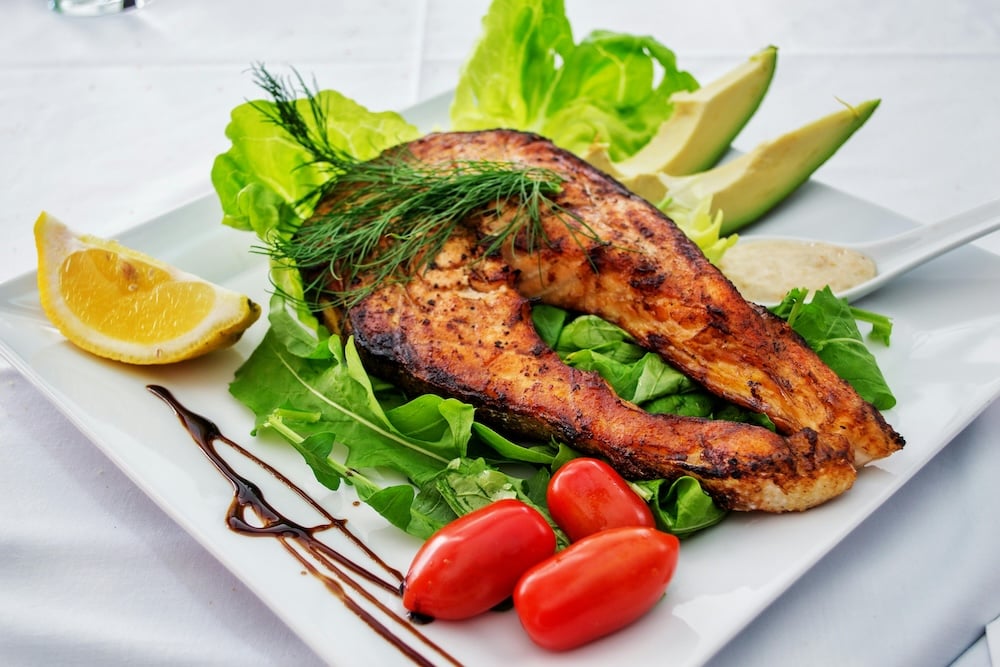
- Grilled fish (like mackerel or salmon)
- Steamed rice
- Plain yogurt or Yakult
- Boiled vegetables
- Tofu dishes
- Bananas and oatmeal for breakfast
- Eggs
I still go out and eat whatever my heart craves as long as it isn’t extremely sour or spicy.
GERD Friendly Exercise
Another thing I had to change was how I exercise. I used to think intense workouts would help me lose weight and “fix” my GERD, but they actually made things worse. Continuously bending down, crunches, or jumping movements would cause reflux during or after exercise. One factor that made my GERD worse was the weight gain I experienced, as the fat pushes my stomach further, causing more acid to reach my esophagus. I still try to do a bit of exercise as long as it does not involve lifting heavy equipment that could loosen my sutures.
My go-to routines are:
- Walking around the neighborhood
- Walking on the treadmill at home
- Riding my bicycle around the neighborhood
The GERD Medications That Work for Me
I tried a lot of over-the-counter medicines in Japan, stuff from the drugstore like antacid tablets or powder. Unfortunately, most of them aren’t strong enough and do not really help much, especially when my GERD got severe.
Eventually, I went to a doctor and got the prescriptions that actually made a huge difference. These are the ones I rely on:
- Takecab (Tegoprazan) – I take this before bedtime when my reflux is acting up. It helps reduce acid production significantly.
- Omeprazole – I take this three times a day after meals when I’m on maintenance mode.
- Rebamipide – This helps protect the stomach lining and aids in healing when there’s inflammation in my esophagus.
If you’re living in Japan and have Shakai Hoken (employee health insurance), seeing a specialist is pretty easy and affordable. The prescription drugs are usually covered, and you just pay a small fee at the pharmacy. It usually costs me less than 2,000 JPY for all my medications.
Surgery: A Big Decision That Changed Everything
Two years ago, I was finally able to get a more permanent solution, which was getting the Nissen Fundoplication Surgery in Tokyo. I knew medication alone wasn’t enough, so I asked about the surgery. Prior to that, I had gone to several hospitals before finding the one that would operate on me to help ease my symptoms.
I stayed in the hospital for about 10 days in a shared room with 5 other patients. The first few weeks after surgery were tough, and I had to be put on a liquid diet. It didn’t help that I couldn’t lie down normally, and the hospital did not exactly have a personalized meal for me, except for rice soup and some pudding. But gradually over months, and eventually a year, I noticed a big difference.
I don’t constantly feel a stabbing pain in my throat anymore, and I am able to sleep better, talk better without constantly clearing my throat.
The Cost (and Relief) of Japan’s Health System
I know healthcare can be expensive in other countries, so I’m so grateful for the financial help I get by simply having Shakai Hoken in Japan. Because I had a full-time job at the time, I was enrolled, and it covered the costs of the majority of my surgery and hospital stay.
In total, I paid only around 120,000 JPY. That included everything—pre-op appointments, 10 days in the hospital, and medicine. I didn’t pay extra because I stayed in a standard shared room, and my income bracket was also taken into consideration.
My Life After Nissen Surgery
Even after surgery, I still have to be careful because GERD doesn’t magically disappear forever, and you have to maintain a healthy lifestyle in order to prevent complications. I still use my wedge pillow, and I still avoid caffeine and spicy food, and I still do a bit of walking every day.
I can now travel without packing ten medications and worrying about a flare-up or an unexpected heartburn while I am on a trip to Taiwan or Shirakawago. I still take Takecab when I feel something coming, but that’s rare now, and I can honestly say that my quality of life has improved so much since making these significant changes in my day-to-day life.
Living with GERD in Japan hasn’t been easy, but it’s manageable. It took years of trial and error, and sometimes I still feel frustrated. But the tools and resources here helped me get through it.
Here’s a recap of what helped me the most:
- Buying a wedge pillow from Amazon Japan
- Avoiding caffeine, alcohol, and acidic/spicy foods
- Walking instead of doing intense workouts
- Seeing a doctor and getting prescribed Takecab, Omeprazole, and Ribamipid
- Having surgery when nothing else worked
- Using Shakai Hoken to help cover costs
If you’re also living in Japan and dealing with GERD, know that you’re not alone. Talk to a doctor, listen to your body, and don’t give up. There is relief — you just have to find what works for you.