The cherry blossoms are gone, the new school and work year has begun, and the initial rush of change that defines April starts to settle. Sure, there’s the Golden Week rush at the beginning of the month, but once that’s done, you get something quieter, and arguably more meaningful: a sense of balance.
Travel guides often highlight May for its flowers, festivals, and mild weather. And while those are certainly part of the experience, they don’t fully capture what makes this month special.
For many people living in Japan, May is when Japan begins to feel less like a place they’re adjusting to, and more like a place they can comfortably live in.
After Cherry Blossom Season
Late March and early April are defined by movement. You’ll see parks filled to the brim with people gathering under blooming sakura, tourist hotspots become unbearable, and cities take on a heightened energy. At the same time, April marks the beginning of the academic and fiscal year, bringing new coworkers, new routines, and a general sense of starting over. That can feel pretty intense.
By May, that intensity fades.
The crowds thin out, popular areas become more accessible again, and daily life settles into a steadier rhythm. There’s less pressure to “see everything” and more space to simply exist within your environment.
For foreigners, this shift can be especially noticeable. The feeling of needing to constantly keep up gives way to something more sustainable.
Comfortable Weather That Makes a Difference
One of the easiest differences to notice in May is the weather.
Where April is sporadic and unpredictable, May has mild and consistent temperatures hovering around the low 20s during the day. Thanks to the warm afternoons and cool mornings and evenings, you can step outside without carefully planning what to wear or worrying about sudden changes.
Your commute becomes easier, and walking feels enjoyable rather than rushed. Errands that might feel tedious in extreme heat or cold become opportunities to spend time outdoors. You may find yourself choosing to walk a little farther, explore a new street, or stay a bit longer in a park.
These small changes add up, making everyday routines feel lighter and more flexible.
Golden Week: Expectation vs Reality
One of the defining features of early May is ゴールデンウィーク (Golden Week), a cluster of national holidays that can create an extended break from work.
From the outside, it’s often seen as a time when the entire country is traveling. And in many ways, that’s true. Major tourist destinations, airports, and long-distance trains become crowded as people take advantage of the time off.
But daily life during Golden Week depends heavily on where you are.
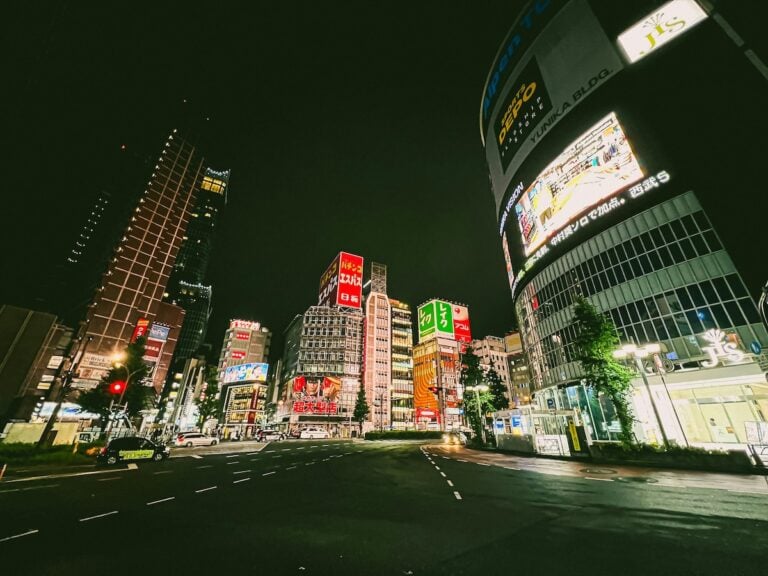
Once the initial travel rush ends in large cities, business districts can feel unusually quiet as offices close and people leave. Local neighborhoods slow down. Some shops operate on reduced hours, while others continue as usual, especially convenience stores and essential services.
For people without family visit obligations to fulfill, Golden Week presents a flexible period. Some choose to travel, while others take the opportunity to rest, explore nearby areas, or simply enjoy a break from their usual routine.
This period is a good example of how varied life in Japan can be.

A Season of Greenery, Not Just Sakura
While cherry blossoms dominate global attention, May introduces a different kind of seasonal beauty.
This period is often referred to as 新緑 (fresh greenery), when trees are full, and landscapes transform into a rich, bright green paradise. Parks, streets, and even urban areas feel more alive, but in a calmer, less crowded way than during sakura season.
Keep an eye out for fresh blooms this time of year, like 藤 (Wisteria) or つつじ. You’ll start to see them a lot around this time of year.
What makes this season particularly appealing for residents is how easily it integrates into daily life. You don’t need to plan a special outing to experience it. The scenery is simply part of your routine, whether that’s walking to work, sitting by a river, or passing through a neighborhood park.
Why May Feels More Livable
Individually, none of these factors are dramatic. But together, they create a noticeable shift in how Japan feels on a day-to-day basis.
Things start to feel more routine, and if you’re adjusting to life in Japan, this combination can make a significant difference.
Tasks that once required effort, like navigating the train system or interacting in basic Japanese, start to feel more natural. The environment itself becomes easier to move through. Instead of constantly reacting to new situations, you begin to anticipate them.
This is often when daily life stops feeling like a challenge and starts feeling like something you can settle into.
A Turning Point
For many people who arrive in Japan in April, May represents a subtle turning point.
The initial uncertainty of your new life begins to fade. Familiar places start to emerge, whether it’s a regular train route, a preferred lunch spot, or a nearby convenience store. Interactions with coworkers or neighbors become slightly more relaxed.
Maybe you don’t even realize it right away, but eventually you’ll find your confidence building in small ways.
You might notice that you’re thinking less about every step of your day. Things that once felt unfamiliar begin to feel routine. Even if your Japanese is still developing, communication becomes easier through repetition and context.
This shift doesn’t happen all at once, but May often marks the beginning of it.
The Trade-Offs to Be Aware Of
Like any time of year, May isn’t without its downsides.
Golden Week can make travel more expensive and crowded. Some services may operate on limited schedules during holidays. Toward the end of the month, there may be early signs of humidity as the rainy season approaches in June.
However, these are relatively minor compared to the overall comfort the month provides.
The Month Where Life Starts to Feel Natural
May isn’t just a good time to visit Japan. For many, it’s one of the first times it starts to feel genuinely livable.
The excitement of arrival has passed, but the challenges haven’t intensified yet. What remains is a period of balance, where daily routines become easier, surroundings feel more familiar, and the pace of life settles into something sustainable.
For foreign residents, this is often when Japan shifts from being an experience to being a place you can see yourself building a life in.
And that’s exactly what makes May stand out.