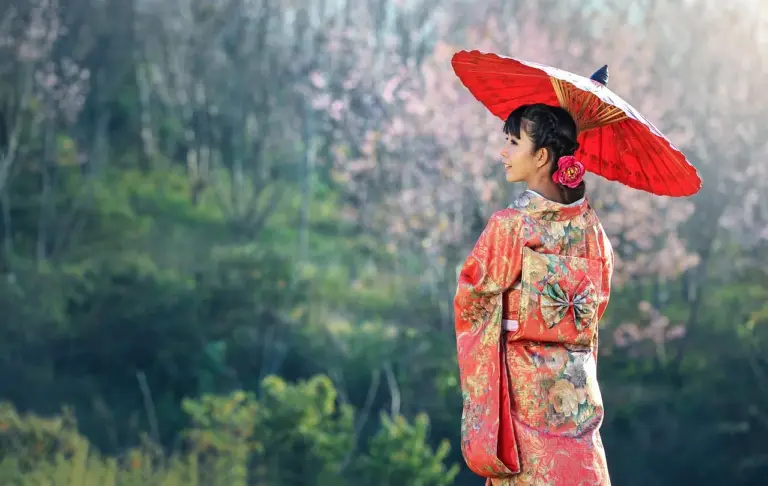
When I told people I was moving to Japan to teach English, their reactions were almost identical. “Wow, Japan! It’s so futuristic there, robots everywhere, high-tech toilets, bullet trains!” They’d paint pictures of a gleaming, digital wonderland where everything was automated and cutting-edge. And whilst Japan certainly has its fair share of technological marvels, what struck me most during my five years in Nagasaki wasn’t how futuristic it was, but how beautifully it preserved the past.
Moving to Japan felt like stepping into a time machine, not one that hurled me into the future, but one that gently transported me back to a simpler, more intentional way of living. In a world obsessed with speed, efficiency, and digital everything, Japan offered something I didn’t even realise I was craving: the chance to slow down and experience life the way it used to be.
Cash is Still King
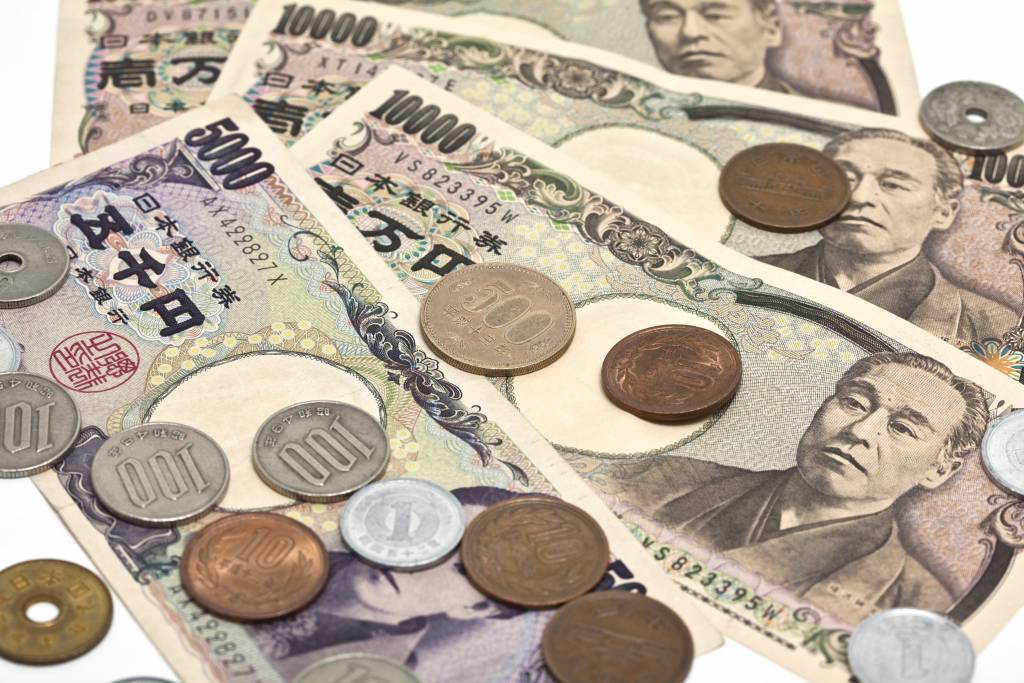
One of the first culture shocks I experienced was at a convenience store in Nagasaki. I confidently approached the register with my shiny new credit card, ready to tap and go like I would back home. The cashier looked at my card with polite confusion, and it dawned on me, Japan still runs on cold, hard cash.
At first, this felt incredibly inconvenient. I was used to the digital wallet lifestyle, where my phone could pay for everything from coffee to subway rides. But after a few weeks of carrying around a wallet stuffed with yen, something wonderful happened. Every transaction became more deliberate, more mindful. I couldn’t mindlessly swipe my way through impulse purchases. When I handed over physical money, I felt the weight of the exchange—literally.
There’s something deeply satisfying about counting out exact change at a local ramen shop, watching the elderly owner’s face light up when you get it right. Cash transactions forced me to slow down, to be present in each moment of exchange. It reminded me of childhood trips to the corner shop with my grandmother, carefully counting pennies for sweets.
Even in 2023, just before I left, many of my favourite local spots in Nagasaki, the tiny takoyaki stand near the train station, the family-run bookshop in the shopping arcade, still operated on a cash-only basis. These weren’t businesses stuck in the past; they were preserving something valuable that the rest of the world seemed eager to abandon.
The Art of Face-to-Face Connection

In an era where customer service often means chatting with a bot or navigating an endless phone tree, Japan’s commitment to human interaction felt revolutionary. Every morning on my way to work, I’d stop at the same convenience store. The staff, Mr. Tanaka, Mrs. Yoshida, and young Sakura-chan, knew my usual order by heart. Not because it was programmed into some algorithm, but because they paid attention.
“Good morning, sensei!” Mr. Tanaka would chirp in careful English, already reaching for my preferred onigiri. “The weather is beautiful today, isn’t it?” These weren’t scripted pleasantries, they were genuine moments of human connection that bookended my days with warmth.
At the local bank, transactions that could theoretically be done through an ATM were often handled by tellers who would bow, exchange business cards with both hands, and treat even the simplest deposit like an important ceremony. Yes, it took longer than digital banking, but it felt significant. Every interaction carried weight and respect.
I remember one afternoon when I was struggling with a particularly complicated bank form. Instead of directing me to an online portal or automated service, three different staff members spent nearly an hour walking me through each section, bringing me tea, and ensuring I understood every detail. In a world where efficiency often trumps empathy, this felt like time travel to an era when people genuinely cared about getting things right.
The Ritual of Everyday Tasks
What struck me most about daily life in Nagasaki was how many activities that had been streamlined into quick, impersonal transactions elsewhere retained their ceremonial quality in Japan. Grocery shopping wasn’t just grabbing items and scanning them yourself, it was an orchestrated dance of proper bag placement, exact change counting, and respectful bowing.
At my local supermarket, the checkout process was like watching performance art. Items were scanned with careful attention, placed in baskets with precision, and bagged with the kind of care usually reserved for precious artifacts. The cashier would announce the total clearly, wait patiently as I counted out my cash, and then count my change back to me piece by piece. “100 yen, 200 yen, 300 yen… and your receipt.” Every step deliberate, every gesture respectful.
Even buying stamps at the post office felt significant. The postal worker would present sheets of stamps like they were showing me fine art, asking about my preferences and suggesting seasonal designs. When I mailed letters home, they would carefully weigh them, check the address twice, and hand me back my receipt with a bow that made me feel like I’d just completed an important diplomatic mission.
Technology That Enhances Rather Than Replaces
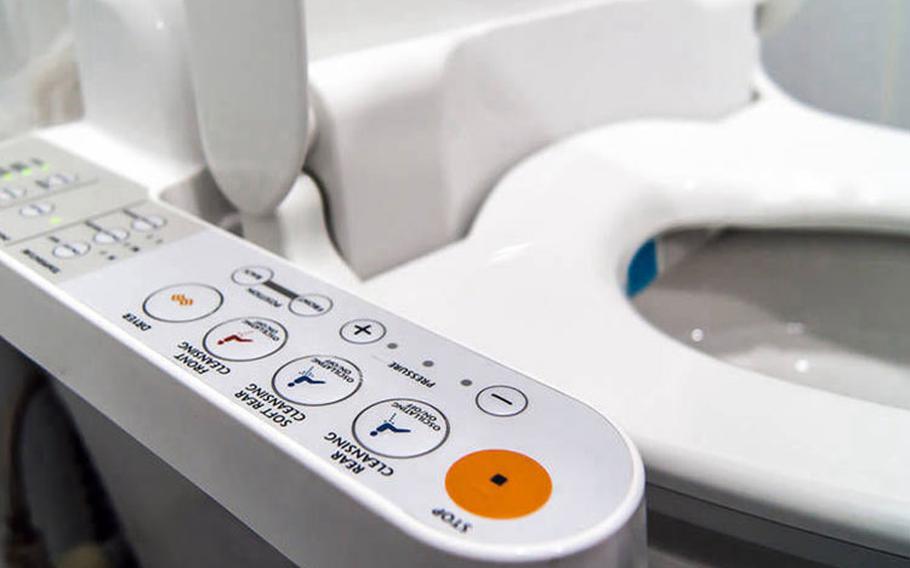
Here’s what’s fascinating about Japan’s relationship with technology, they use it to enhance human experience rather than replace it. Yes, the toilets have more buttons than a spaceship console, and yes, vending machines sell everything from hot coffee to fresh eggs. But these innovations exist alongside, not instead of, traditional ways of doing things.
My school had cutting-edge smart boards and high-tech language labs, but lessons still began and ended with students standing to bow and recite traditional greetings. The train system runs with computer-like precision, but conductors still announce stations in clear, human voices and bow to passengers as they board.
The most “futuristic” thing about Japan wasn’t its robots or digital displays, it was how thoughtfully they integrated new technology without discarding the valuable aspects of old systems. They kept the humanity in their high-tech world.
The Wisdom of Seasonal Living
In our globalized world where strawberries are available year-round and seasons have become marketing seasons rather than natural rhythms, Japan’s deep connection to seasonal cycles felt like rediscovering something fundamental I’d lost.
Every month brought new seasonal treats at the convenience store, special limited-time menu items at restaurants, and different flowers blooming in the parks. My students would excitedly tell me about seasonal festivals, explain which foods were “in season,” and teach me to notice subtle changes in nature that I’d been blind to in my hurried Western lifestyle.
During my third spring in Nagasaki, I finally understood hanami, not just as cherry blossom viewing, but as a practice of marking time’s passage, of celebrating fleeting beauty, of gathering with others to simply sit and appreciate something temporary and precious. In a world obsessed with permanence and preservation, the Japanese celebration of transience felt deeply wise.
Learning to Wait
Perhaps the most profound time-travel aspect of Japanese life was learning to wait again, something our instant-gratification culture had trained out of me. Waiting for trains that arrived exactly on time rather than “eventually.” Waiting in orderly queues where cutting wasn’t even conceivable. Waiting for seasons to change rather than forcing artificial environments.
I learned to wait for the ramen master to prepare my bowl with the care it deserved, rather than expecting instant noodles. I waited for relationships to develop slowly, built on regular greetings and small kindnesses rather than forced networking. I waited for language skills to develop through daily practice rather than expecting app-based fluency.
This waiting wasn’t passive or frustrating, it was active, mindful, and ultimately more satisfying than the instant alternatives I’d grown accustomed to.
The Gift of Inconvenience
What outsiders might see as inconveniences, the cash-only restaurants, the complex bureaucracy, the indirect communication style, I came to understand as features, not bugs. These “inefficiencies” forced slower, more intentional living. They created space for human connection, for mindfulness, for appreciation of process over just outcome.
When I had to visit city hall to update my residence status, it took three separate trips and involved multiple forms filled out by hand. But each visit included patient explanations from helpful staff, careful verification of details, and a sense that my presence and paperwork mattered. Compare that to automated online systems where you’re just another data point being processed.
Why This Matters Now More Than Ever
As I returned to the West in 2024, the contrast was jarring. Everything felt rushed, automated, impersonal. Cashiers barely looked up, transactions happened in seconds without acknowledgment, and the constant pressure to optimize and accelerate left little room for the kinds of meaningful daily interactions that had become normal in Japan.
Living in Japan didn’t just give me language skills and cultural knowledge, it gave me back a sense of time, presence, and human connection that I didn’t realise I’d lost. It showed me that progress doesn’t always mean faster, newer, or more automated. Sometimes progress means preserving the valuable aspects of how things used to be done.
In our race toward an efficient, digital future, Japan offers a different path: thoughtful integration of old and new, preservation of human dignity in daily interactions, and respect for processes that create meaning rather than just results. Moving to Japan felt like time travel because it reminded me what we’ve given up in our rush to modernize everything.
For anyone considering a move to Japan, prepare for the unexpected gift of stepping back in time, not to a primitive past, but to a more intentional, connected, and mindful way of being human in the world. In Japan’s beautiful anachronisms, you might just rediscover parts of yourself you didn’t know you’d lost.