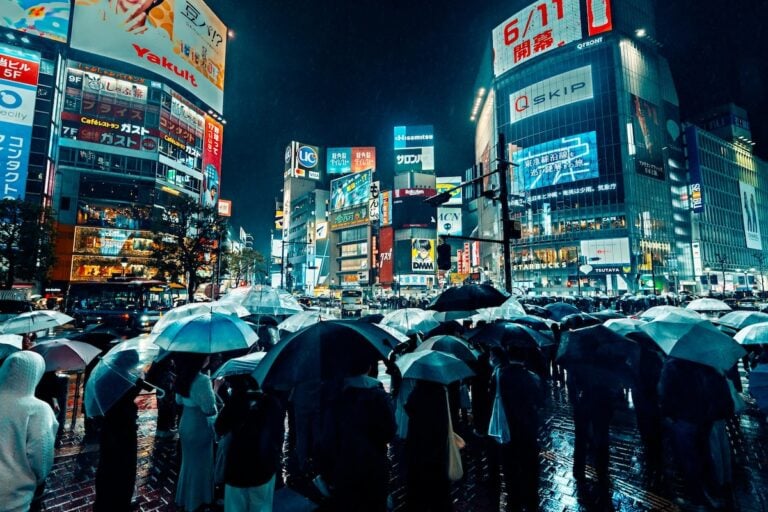
Every year from late May, Japan enters its rainy season. This period of the year, which lasts until mid-July, sees overcast skies and very frequent rain, adding humidity to the rapidly warming weather heading into summer. The rainy season can feel like a frustrating time of year as the unpredictable weather makes it difficult to plan outdoor activities and the incessant humidity can lead to problems such as mold and moisture damage in the home. While it doesn’t necessarily rain every day during this season, it can certainly feel like it.
The rainy season doesn’t necessarily have to put a dampener on your June though. In this handy guide, we will take a look at Japan’s rainy season in detail as well as the best ways to prepare to get the most out of those rainy days.
Rainy Season Facts
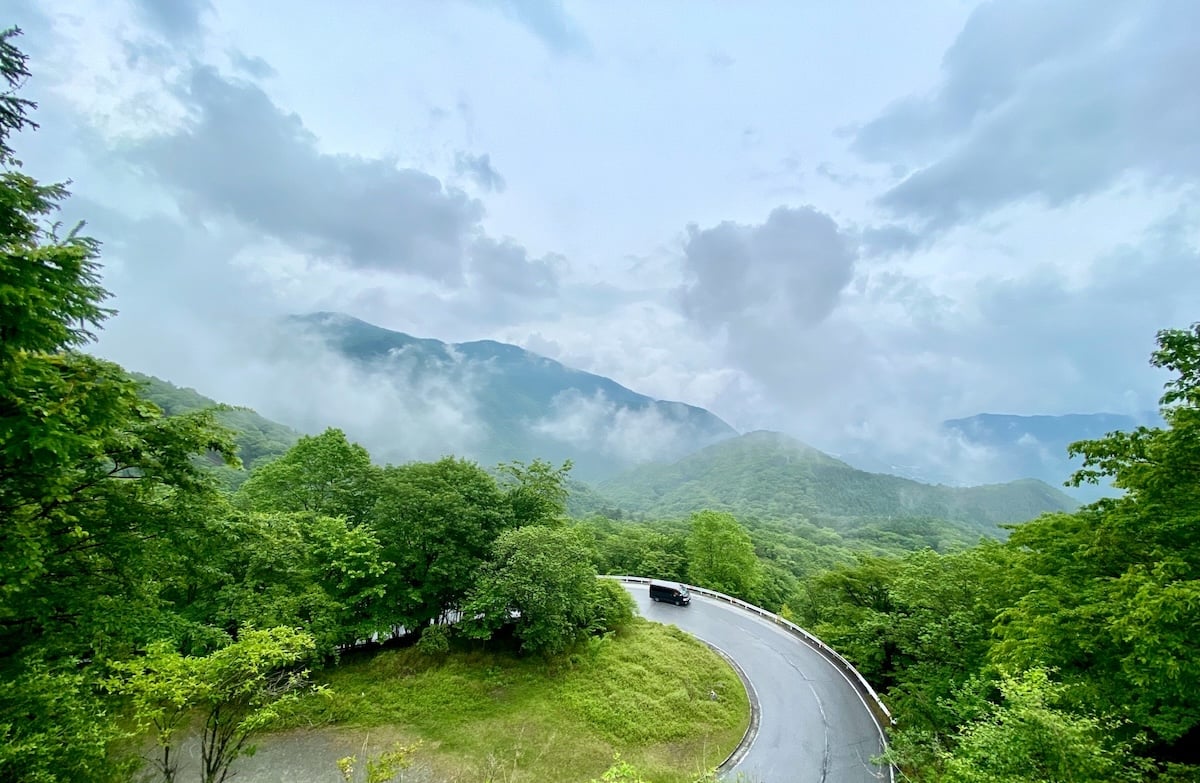
The Japanese name for rainy season is tsuyu (梅雨) which combines the kanji for “plum” and “rain”. There are several theories about how this name came to be, some of which are far too complicated to go into here, but the most common theory is that the season typically coincides with the time of year when plums start to ripen. Regardless of the name, Japan’s rainy season is caused by cold winds from the north coming up against warm winds from the south leading to several weeks of overcast weather and heavy rain throughout June until mid-July each year.
One thing to be aware of when people talk about the rainy season is that the actual amount of rain varies by where you are. Hokkaido doesn’t really experience the rainy season at all but the further south and west you move across the country, the wetter it gets. As far as mainland Japan goes, Kyushu and Shikoku experience the most rain, usually reaching around 600mm for June. The Kansai and Kanto regions usually receive about 300mm for the season. The Tohoku region experiences around 200mm of rain. So, while the rainy season covers most of Japan, the severity and the number of actual rainy days tends to vary significantly between regions.
The rainy season typically starts way down south in Okinawa in late May and steadily spreads north through the country throughout June. The weather at this time of year is quite warm leading into summer which makes for very humid conditions.
Preparing for Rainy Season
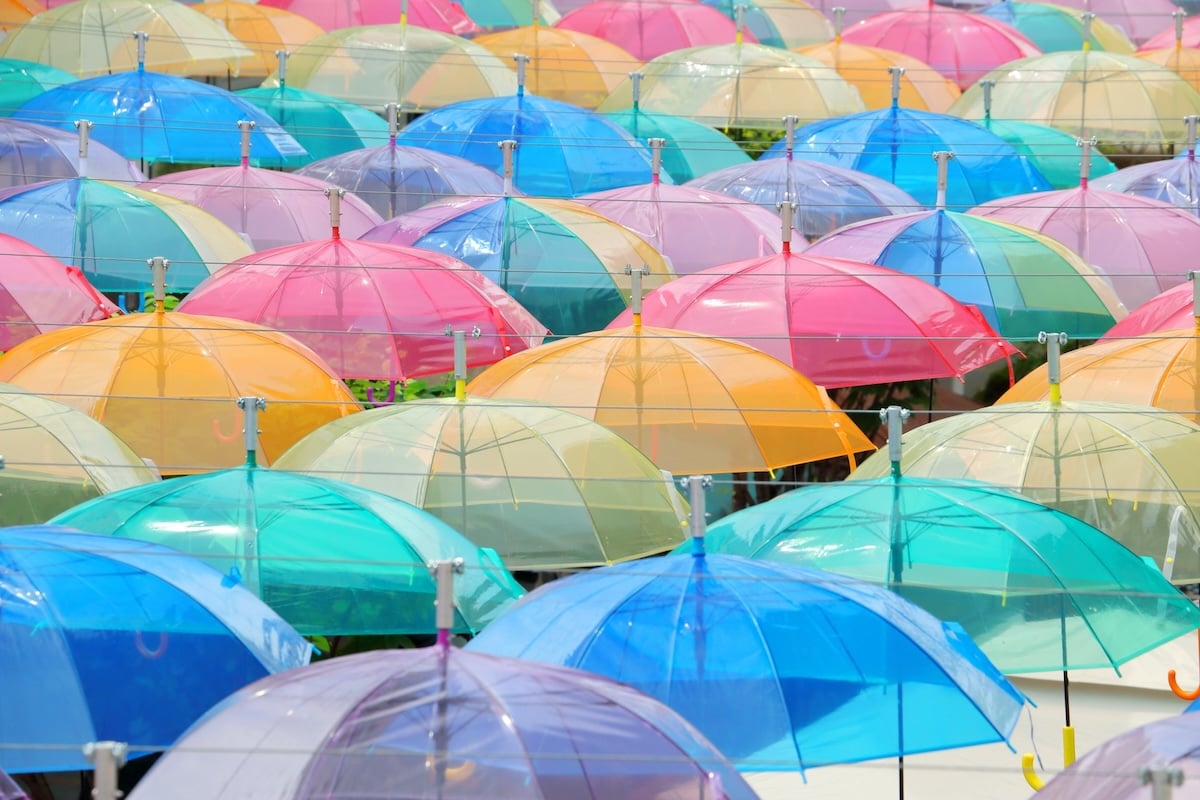
The best way to deal with the rainy season is to be prepared for it. It almost goes without saying that having an umbrella is an absolute must and is something that most people will carry around constantly throughout the month of June. Many stores in Japan will have racks for storing wet umbrellas just inside the entrance and if not, will often provide plastic umbrella bags to keep them from dripping over the floor once you’re inside. Keeping a compact, folding umbrella with you can be particularly helpful for moments where you might suddenly find yourself caught in the rain.
If you commute regularly on foot or by bicycle, rain gear that you can wear over your clothes will go a long way in helping you get to work or school relatively dry. Water-proof or water-resistant shoes are also great items to have as puddles can be pretty unavoidable no matter where you are.
One of the most uncomfortable things about Japan’s rainy season is the sudden increase of humidity. The average temperature in Tokyo during the rainy season is around 26-28 degrees celsius and while not extremely hot, this temperature combined with the abundant moisture, can make for unpleasantly muggy conditions. You’ll no doubt want to dress lightly, even while trying to protect yourself from the rain.
One other unpleasant thing that the rainy season brings is mold. The constant moisture in the air produces ideal conditions for mold and mildew to grow and it can very quickly become a problem in homes at this time of year, spreading across clothes and futons and just about everything else it can. The best way to combat mold and mildew during the rainy season is through the use of moisture absorbers (除湿剤) which can be easily purchased in places such as supermarkets, hardware stores and drug stores. By putting these in places vulnerable to moisture such as bathrooms and closets, the risk of mold and mildew is greatly reduced.
Getting Out and About (Or Staying In)
The rainy season obviously limits the number of outdoor activities people can do so it’s not a particularly popular time of the year for many people. That said, there are still plenty of things to do and see despite the weather.
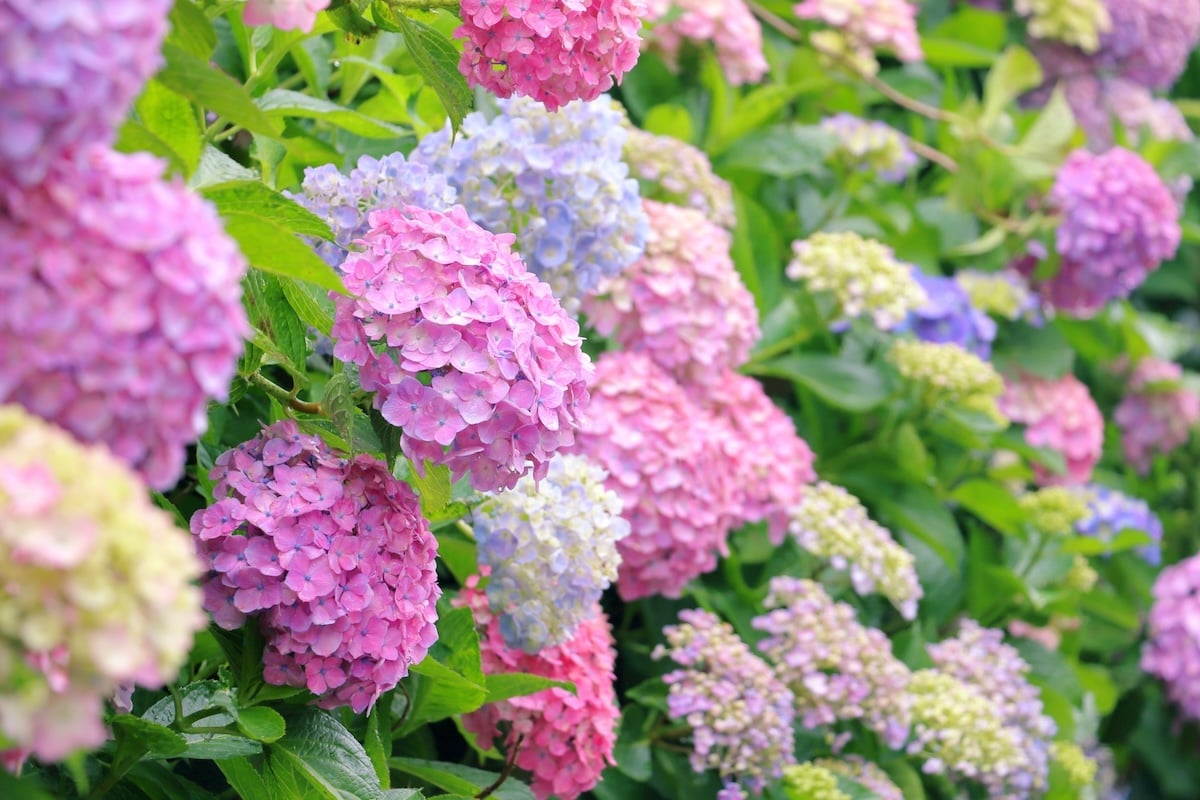
The enduring symbol of rainy season in Japan is the blooming of hydrangeas (あじさい). These beautiful flowers pop up everywhere during the rainy season with many parks, temples and shrines offering magnificent displays of them in their gardens. Many people make the effort to get out and see them despite the unpredictable weather. Some of the best places to see hydrangeas in Japan include Meigetsuin temple in Kamakura and Mimurotoji temple in Uji, Kyoto.
While the rainy season may not be the ideal time to travel, accommodation and general travel costs are often cheaper during this period so it can also be a great time to find good travel deals. The unpredictable weather can make outdoor sightseeing a bit of a gamble but there are still sunny days in between the rainy ones. Even with the uncertain weather, it’s the perfect time of year to explore Japan’s many indoor attractions and experience fewer crowds when travelling.
Surviving Japan’s Rainy Season
The rainy season is not a time of the year that many people look forward to but it’s certainly not all bad. It’s extremely important for agriculture, heralds the start of summer and still provides some beautiful sights in the forms of hydrangeas and misty landscapes. As long as you prepare carefully, you can take full advantage of the season and prevent your plans from get rained out.