For many foreigners arriving in Japan, one of the first surprises is not something found in a tourist attraction or a famous cultural site. It is something much more ordinary: the bathroom (お風呂(ふろ)).
At first glance, a Japanese bathroom may look familiar. There is a sink, a toilet, and a place to wash. However, after living in Japan for a while, many newcomers realize that Japanese bathrooms are designed around a very different philosophy.
In many countries, the bathroom is primarily a functional space: a place to shower, brush your teeth, and get ready for the day. In Japan, the bathroom is often connected to broader ideas about cleanliness, relaxation, and separating different parts of daily life.
For foreigners, understanding these differences can make the adjustment to living in Japan much smoother. More importantly, it offers insight into how Japanese culture approaches cleanliness in everyday routines.
The Bathroom Is Designed Around Separation
One of the biggest differences foreigners notice is that Japanese bathrooms often separate the toilet area from the bathing area.
In many Western homes, the toilet, sink, shower, and bathtub are all located in the same room. In Japan, however, it is very common to have a separate toilet room and bathing area (although there are of course some exceptions).
This separation reflects an important cultural distinction: using the toilet and bathing are considered very different activities.
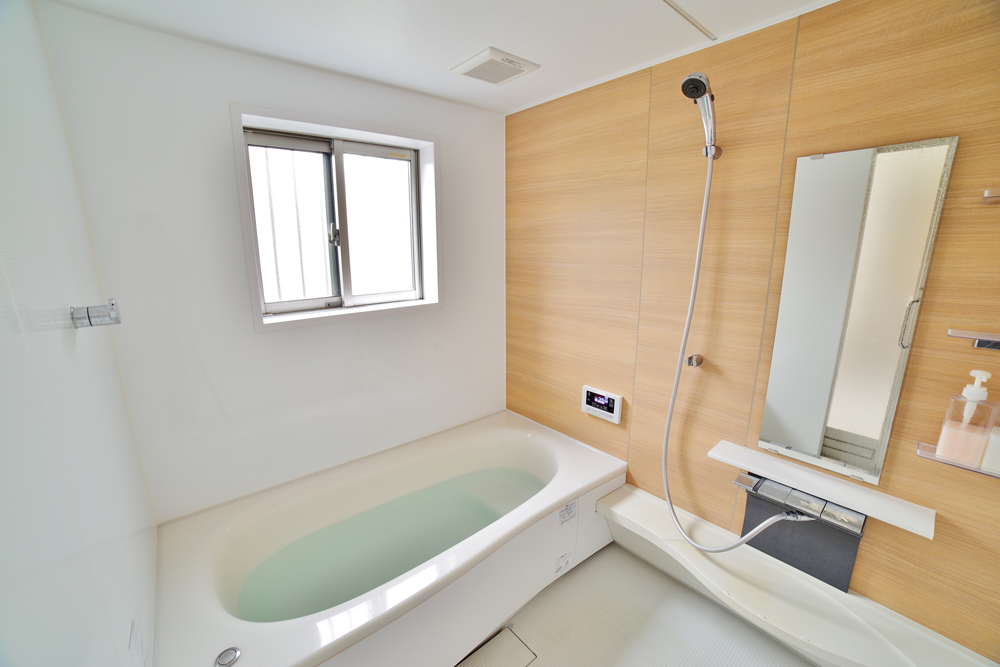
The area where you wash your body is meant to remain clean and comfortable. The bathtub, in particular, is not viewed as the place where you wash yourself. Instead, it’s a place to soak and relax after you are already clean.
This may feel unfamiliar at first, especially if you’re used to a shower-over-bathtub setup. However, once you understand the purpose behind the design, it begins to feel much more intuitive.
Showering Is Only Part of the Bathing Routine
You might clean your body in the shower, but that’s not the main event in a Japanese bathroom. I can count on one hand how many times in a month I fill my bathtub back in my home country.
But in Japan, the bathtub tends to get a lot more use.
Many people in Japan shower daily, but the purpose of the bathtub is different from what many foreigners are used to.
The typical routine is:
- Wash your body outside the bathtub.
- Rinse thoroughly.
- Enter the bathtub only after you are clean.
- Use the bath as a place to relax and warm up.
The bathtub is not where you remove dirt. It is where you slow down and enjoy the experience.
This difference can be surprising if you grew up viewing baths as an occasional luxury rather than part of a regular routine. In Japan, soaking in a bath can be an everyday ritual that helps people relax after work or prepare for sleep.
Of course, there are always exceptions to the rule, but the vast majority of Japanese people make frequent use of their tubs.
Why Bathwater May Be Shared
One of the biggest cultural surprises for some foreigners (it certainly shocked me the first time I stayed at a Japanese family’s house!) is the idea that multiple people in a household may use the same bathwater.
For many people from countries where baths are considered highly personal, this can seem unusual, and perhaps even unclean.
However, the reason this works in Japan is because everyone washes their body before entering the tub. The bathtub is not where people clean themselves. It is where they soak after they are already clean.
In family households, this tradition can become part of the evening routine. Parents and children may share bath time, or family members may take turns using the same water. This shows how, rather than seeing the bathtub as a private washing space, it is often viewed as a shared place for relaxation.
Of course, not every household follows this tradition. Younger people living alone, couples, and international households may have completely different habits. Like many aspects of Japanese culture, there is variation depending on the person and situation.
The Shower Area May Look Different
Another adjustment foreigners often notice is the physical layout of Japanese bathrooms.
Instead of standing inside a bathtub to shower, many Japanese bathrooms have a separate washing area with:
- A handheld shower head
- A small stool
- A bucket for rinsing
- Space to wash before entering the tub
Sitting while washing may feel strange at first, especially for foreigners used to standing showers. However, this setup is practical because it allows people to comfortably wash and rinse before soaking.
It also changes how people think about water in the bathroom. In a Western-style bathroom, keeping the floor completely dry is often a priority. In many Japanese bathrooms, water on the floor of the washing area is expected because the entire space is designed for that purpose.
This is one reason Japanese bathrooms can appear surprisingly different even when they contain familiar features.
Japanese Toilets Are Famous, But They Are Only Part of the Experience
Japanese toilets have become internationally famous, and many foreigners are curious to try them after arriving.
Modern toilets may include features such as:
- Heated seats
- Bidet functions
- Automatic flushing
- Deodorizing systems
- Night lights
When you first arrive (especially if you don’t read Japanese), the number of buttons can feel overwhelming at first. I, like many other foreigners, have plenty of memories of accidentally pressing a button and wondering what it just activated.
However, not every toilet in Japan is high-tech. While many newer homes, hotels, and public facilities have advanced toilets, older buildings and more rural areas may have much simpler versions, in particular the infamous ‘squat toilet’, or (和式(わしき)).
The bigger cultural difference is not necessarily the technology itself. It is the general expectation that public bathrooms and shared facilities should be clean, maintained, and easy for many people to use.
Humidity Can Be a Major Adjustment
If you come from a drier climate, Japan’s humidity can create some unexpected challenges.
During rainy season (梅雨(つゆ)) and the hot summer months, bathrooms can become especially humid. Without proper ventilation, moisture can contribute to issues such as mold (カビ) and unpleasant odors.
There are various ways to manage this, such as:
- Using bathroom ventilation fans
- Leaving doors open after showering when appropriate
- Drying wet areas when needed
- Watching for signs of mold
- Avoiding leaving damp items in enclosed spaces
- Keeping a bottle of カビキラー (kabikiraa, mold spray) handy
This is especially important in smaller apartments where air circulation may be limited. The adjustment can take time, but these habits quickly become part of everyday life.
Japanese Bathrooms Reflect Broader Ideas About Cleanliness
The differences in Japanese bathrooms reflect broader cultural ideas about cleanliness and organization. The separation between clean and unclean spaces appears in many parts of Japanese life.
Things like removing shoes before entering a home, keeping outdoor dirt from entering indoor spaces, washing hands before certain activities, and separating spaces based on their purpose.
The bathroom is just another example of this mindset.
Rather than thinking about cleanliness only as something that happens after becoming dirty, many Japanese routines focus on maintaining cleanliness throughout the day.
Understanding this perspective helps explain why the bathroom is designed the way it is.
Experiencing Public Baths and Onsen
If you take any time to learn about Japanese bathing culture, you will quickly stumble upon public bathhouses or hot springs.
Public bathhouses (銭湯(せんとう)) and onsen (温泉(おんせん)) have long been part of Japanese culture. While modern lifestyles have changed how often people visit them, they remain popular places for relaxation and social connection.
Lots of people find the idea of bathing nude with strangers intimidating, but I’ve found that the experience becomes much easier once you understand the basic etiquette and that, frankly, no one is going to look or care.
Important rules include:
- Wash your body before entering the bath.
- Do not put towels into the water.
- Keep conversations at a respectful volume.
- Follow the facility’s specific rules.
- Do not assume every bathhouse has the same customs.
Many foreigners consider visiting an onsen one of the highlights of living in Japan because it provides a direct experience of a tradition that has been part of Japanese life for generations.
A Different Way to Think About Daily Life
Japanese bathrooms reveal something important about everyday life in Japan.
Yes, a bathroom is a way to clean the body, but it’s also a way to relax, reset, and separate yourself from the stress of the outside world.
When moving to a new place, having a sense of routine can be incredibly important for feeling settled, and Japanese bathing culture is one way to give your day structure.
Sometimes, the smallest parts of everyday life reveal the most about a country. A bathroom may seem like an ordinary part of daily life, but in Japan, it offers a unique window into ideas about cleanliness, comfort, and routine.