For many people, Japan is known for its cutting-edge technology, efficient public transportation, rich cultural traditions, and high standard of living. But behind the country's global reputation is a significant challenge that is reshaping its economy and workforce: a rapidly aging population and a declining birth rate.
This fact is not new, and has been a topic of conversation for years now. Over the past several decades, Japan's population has steadily decreased while the average age has continued to rise. As more people retire than enter the workforce, businesses across the country are finding it increasingly difficult to fill essential positions. The result is a labor shortage that affects industries ranging from education and manufacturing to hospitality, healthcare, and information technology.
To meet these growing demands, Japan has finally started looking more heavily into international talent.
For foreigners interested in living and working in Japan, this presents a unique opportunity. While competition still exists, there are more pathways into the Japanese workforce than ever before, and employers are becoming increasingly experienced in hiring people from around the world.
Why Is Japan Facing a Labor Shortage?
Japan's labor shortage is not the result of a single event. Rather, it is the outcome of long-term demographic trends.
Like many developed countries, Japan has experienced declining birth rates for decades. At the same time, improvements in healthcare and quality of life have contributed to one of the world's longest life expectancies. According to the World Health Organization, the average life expectancy for a Japanese citizen was 84.5 years in 2021. Together, these factors have created a population in which older generations significantly outnumber younger ones.
This shift has important consequences for the workforce. Every year, large numbers of experienced employees retire, while fewer young workers are available to replace them. Businesses, schools, hospitals, and public services still need staff, creating vacancies that cannot always be filled by the native population.
And this isn’t a temporary labor shortage caused by economic fluctuations. This is a structural challenge that Japan is expected to face for many years to come.
Which Industries Need Foreign Workers?
The demand for foreign workers varies by industry, but opportunities are expanding across a wide range of sectors. Here are just a few:
Education
Teaching remains one of the most accessible ways for foreigners to begin a career in Japan.
Assistant Language Teacher (ALT) positions and 英会話 (eikaiwa, English conversation school) roles often require little or no Japanese ability when you first arrive. Schools hire native and fluent English speakers not only for their language skills, but also for the cultural perspective they bring into the classroom.
For many people, teaching serves as a gateway into life in Japan, providing valuable work experience while building language skills and professional connections.
Hospitality and Tourism
Japan's tourism industry has grown significantly in recent years, creating increased demand for multilingual staff.
Hotels, resorts, restaurants, airports, and tourist attractions all benefit from employees who can communicate with international visitors. While some customer-facing positions require conversational Japanese, others place greater value on foreign language abilities, particularly English.
As Japan continues welcoming visitors from around the world, multilingual employees are becoming an increasingly valuable asset.
Manufacturing
Manufacturing has long been one of Japan's economic strengths, and many factories continue to recruit foreign workers.
Depending on the role, Japanese language requirements may be relatively low, particularly for positions involving standardized procedures and hands-on work. Many companies provide on-the-job training, allowing employees to develop both technical skills and their Japanese ability over time.
For those seeking stable employment while adjusting to life in Japan, manufacturing can offer an accessible entry point.
Information Technology
Japan's technology sector has become increasingly international.
Software developers, engineers, cybersecurity specialists, and other IT professionals are in high demand, and many companies now operate in multilingual environments where English is commonly used alongside Japanese. While AI and automation are reshaping parts of the global tech industry, Japan’s demand for skilled IT professionals continues to remain strong, particularly in areas facing persistent talent shortages.
Although Japanese proficiency can expand career opportunities, many international companies prioritize technical expertise and practical experience, making this field especially attractive to skilled professionals from overseas.
Healthcare and Elder Care
Japan's aging population has also increased demand for healthcare professionals and caregivers.
These roles typically require higher levels of Japanese because communication with patients is essential. However, government initiatives and training programs continue to support qualified foreign professionals interested in building careers in these fields.
As healthcare needs continue to grow, international workers are expected to play an increasingly important role in supporting Japan's aging society.
How Japan Is Responding
Recognizing these demographic challenges, Japan has gradually expanded opportunities for foreign workers.
Over the past several years, the government has introduced new visa categories, revised existing immigration policies, and encouraged industries facing severe labor shortages to recruit internationally.
At the same time, many employers have adapted their hiring practices.
Companies that once focused almost exclusively on domestic recruitment are now investing in multilingual job postings, onboarding support, and workplace resources designed to help international employees succeed. Some organizations also offer Japanese language training, recognizing that language development is an ongoing process rather than a prerequisite for every position.
While Japan's immigration policies remain more structured than those of some other countries, the overall direction has been toward greater openness and support for skilled international talent.
Does This Mean Finding a Job Is Easy?
Not necessarily.
While the labor shortage has created more opportunities, it has not eliminated the need for preparation or professional qualifications.
Employers still expect applicants to demonstrate reliability, professionalism, and a genuine interest in living and working in Japan. Depending on the role, Japanese language ability may still be an important requirement, particularly for positions involving frequent communication with customers or colleagues.
Competition also remains strong for highly desirable roles, especially in major cities.
So don’t think of the labor shortage as a guarantee of employment. It's more accurate to see it as an expansion of opportunity: There are more positions available than in the past, but success still depends on matching your skills, experience, and expectations to the right employer.
Looking Beyond Tokyo
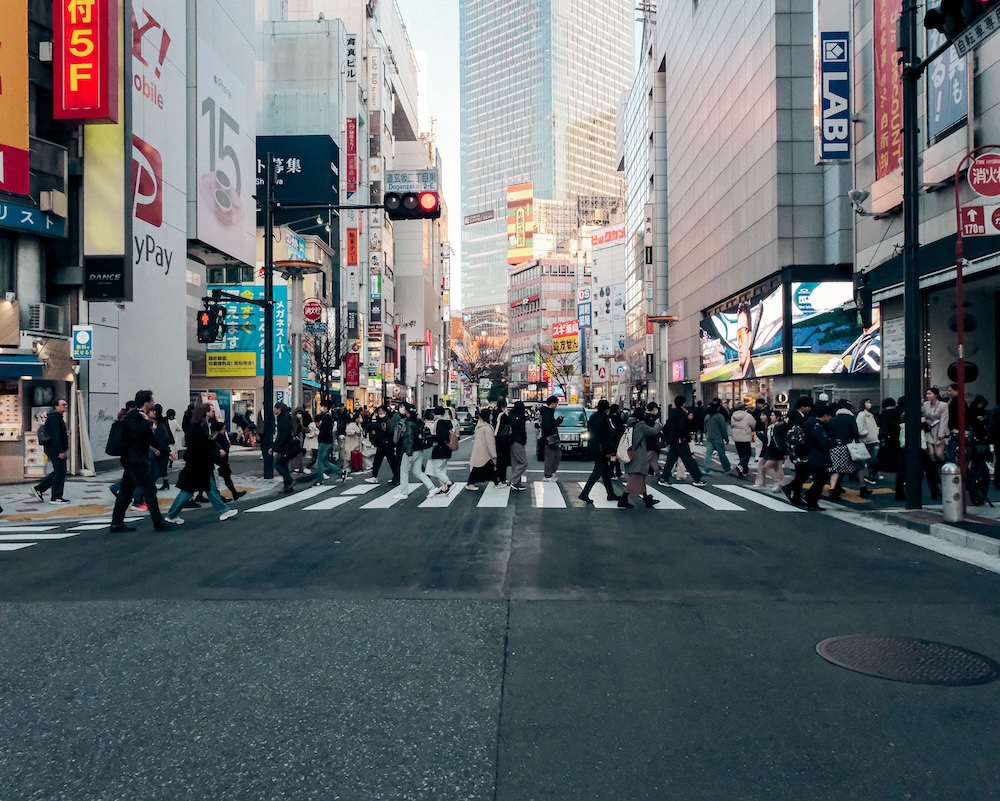
When people picture working in Japan, they often imagine Tokyo's skyscrapers or Osaka's busy commercial districts.
However, some of the greatest demand for international talent exists outside Japan's largest cities.
Regional areas across the country are actively working to attract new residents and strengthen local communities. Schools need teachers, manufacturers need skilled workers, hospitality businesses need multilingual staff, and local governments continue investing in programs that support regional revitalization.
For foreigners, this can create opportunities that extend beyond employment alone.
Smaller cities often offer lower living costs, shorter commutes, stronger community connections, and a pace of life that many people find more sustainable than Japan's largest metropolitan areas. Choosing a smaller city can be both a professional and lifestyle decision.
What This Means for Foreign Job Seekers
If you've been considering working in Japan but worried that opportunities would be limited, today's job market may look different than you expect.
The country is actively seeking professionals with a wide range of skills, and many employers recognize the value that international employees bring to their organizations. Language skills, cross-cultural communication, and diverse perspectives have become increasingly important as Japan continues to engage with a global economy.
That doesn't mean every position will be the right fit, nor does it mean the transition will always be easy. Adjusting to a new culture, learning workplace customs, and improving your Japanese all require time and effort.
But for people willing to embrace those challenges, Japan offers the opportunity to build not just a career, but a meaningful life.
A Changing Workforce, New Opportunities
Japan's labor shortage is one of the country's biggest long-term challenges, but it is also creating new possibilities for people who dream of living and working there.
Whether you're interested in teaching English, working in manufacturing, pursuing a career in technology, or exploring opportunities in another field, there are more pathways into Japan's workforce today than there were even a decade ago.
Success still requires preparation, adaptability, and a willingness to learn. But if you're ready to invest in the experience, you'll be joining a country that increasingly recognizes the value of international talent.
For many foreigners, there has never been a better time to explore what a career and a life in Japan could look like.