
You’ve probably heard that communication in Japan is different. What many foreigners don’t realize, however, is just how different feedback culture can be.
In many Western workplaces, feedback is often viewed as a positive thing. Employees are encouraged to speak up, identify problems, challenge ideas, and offer suggestions for improvement. Being direct can be seen as a sign of professionalism and engagement.
In Japan, the goal often goes beyond simply solving the problem. Instead, the point is also to solve the problem while preserving harmony within the group.
This distinction may seem small, but it changes everything.
Many highly talented foreign professionals unintentionally damage workplace relationships simply because they delivered feedback the same way they would have back home.
The good news is that you can absolutely provide constructive criticism in a Japanese workplace. You just need to understand the cultural framework behind it.
Here’s what I’ve learned.
Why Feedback Feels Different in Japan
Before discussing techniques, it’s important to understand the underlying cultural values.
Japanese workplaces tend to prioritize:
- Group harmony
- Relationship preservation
- Consensus-building
- Respect for hierarchy
- Indirect communication
Although it may not sound like it based on this list, this doesn’t mean Japanese employees never disagree. In fact, disagreements happen constantly. The difference is that disagreement is often expressed indirectly, privately, and carefully.
A common mistake foreigners make is assuming that because nobody openly disagrees during a meeting, everyone agrees with the proposal.
That is not always the case.
Many discussions and objections happen behind the scenes before or after formal meetings. Understanding this principle is the first step toward giving effective feedback.
The Biggest Mistake Foreigners Make
Imagine your manager presents a proposal during a team meeting, and you immediately notice a flaw.
In many countries, you might say: “I don’t think this approach will work because of X and Y.”
This comment is direct, to-the-point, and solves the problem.
In Japan, however, that statement can create several issues:
- It publicly challenges someone’s idea.
- It may cause the speaker to lose face.
- It introduces confrontation into a group setting.
- It can make colleagues uncomfortable.
Even if your point is correct, people may remember the discomfort more than the solution.
Foreign employees often became frustrated because their suggestions were technically right but consistently ignored afterward. But the problem was never the content of what you were saying. It was just the delivery itself.
Understand the Difference Between Public and Private Feedback
One of the most valuable lessons I learned was this:
Public praise, private criticism.
This rule exists in many countries, but it is especially important in Japan.
If you have concerns about a colleague’s work, avoid raising them in front of a large group whenever possible.
Instead:
- Schedule a one-on-one conversation.
- Discuss the issue after the meeting.
- Speak privately with your manager first.
This approach protects relationships while still addressing the problem.
Often, you’ll discover that your concern was already recognized internally and is being handled through channels you weren’t aware of.
Use Questions Instead of Statements
One of the easiest ways to soften feedback is to transform criticism into curiosity.
So for example, instead of saying: “This plan has a problem.”
Try: “Would it be worth considering how this might affect the schedule?”
- この変更がスケジュールにどのような影響を与えるか、一度検討してみてもよいかもしれませんね。
Or if your first instinct is to say something similar to: “This process is inefficient.”
Try: “Do you think there might be opportunities to make this process even smoother?”
- このプロセスをもう少しスムーズに進める方法があるかもしれませんが、どう思われますか。
The goal is to invite discussion. When you frame your feedback as a question, the whole exchange feels collaborative, rather than confrontational.
Learn the Art of the Soft Introduction

Japanese professionals often avoid jumping straight into criticism. Instead, they establish positive context first.
For example, start with something like: “I think there’s a lot of value in this proposal, but…”
- この提案はとても良いと思いますが…
Then you can move into the difference of opinion: “There was one point I was wondering about.”
- 一点だけ気になることがあります。
Some other useful phrases include: “I may be misunderstanding something, but…”
- 私の理解が間違っていたら申し訳ありませんが…
“Could I share one concern?”
- 一つ懸念点を共有してもよろしいでしょうか。
To many foreigners, these phrases may seem unnecessary, but they signal that you are not attacking the person. In Japanese workplaces, that distinction matters.
Timing Matters More Than You Think
Another lesson I learned is that the timing of feedback can be just as important as the feedback itself.
Imagine:
- The project is behind schedule.
- Stress levels are high.
- Your manager has just presented an update to senior leadership.
That may not be the ideal moment to point out additional problems.
In Japanese workplaces, people often spend considerable effort choosing the right moment for difficult conversations.
Ask yourself:
- Is this the right time?
- Is this the right place?
- Is this the right audience?
Being culturally aware often means recognizing when not to speak immediately.
Don’t Force Immediate Decisions
Many foreigners come from cultures where meetings are used to debate ideas and reach decisions.
Japanese meetings often serve a different purpose. Frequently, the real discussions happen before the meeting. By the time the meeting occurs, many stakeholders have already been consulted.
This process is sometimes called nemawashi (根回し),which literally refers to preparing the roots of a tree before transplanting it. In practice, it means building support before presenting an idea publicly.
If you have feedback on an important initiative, try speaking with relevant stakeholders beforehand. You’ll often find much greater receptiveness than if you introduce objections unexpectedly during a formal meeting.
Hierarchy Still Matters
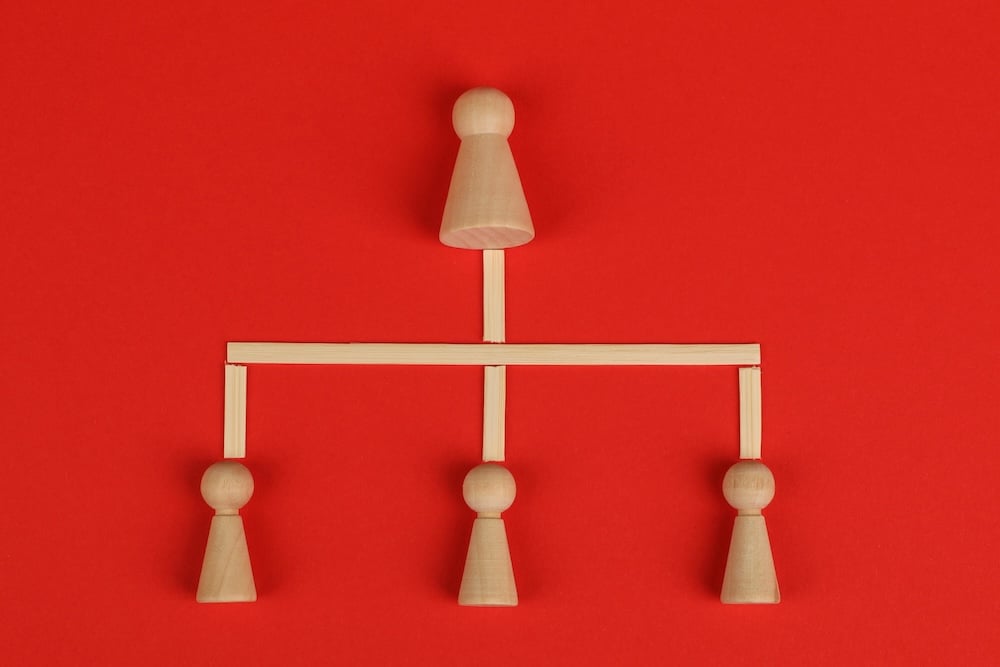
Many modern Japanese companies are becoming more global, but hierarchy remains influential in many workplaces. This doesn’t mean you can’t challenge ideas, it just means you should understand reporting structures.
For example:
Instead of bypassing your manager and directly criticizing a senior executive’s proposal, consider:
- Discussing concerns with your immediate supervisor.
- Asking for guidance.
- Understanding internal decision-making processes.
Foreign employees sometimes interpret this as bureaucracy when in reality, it is often viewed as professionalism and respect.
Focus on Shared Goals
One technique that works almost universally is framing feedback around collective success.
People become more receptive when they feel you are helping the team rather than challenging individuals.
Saying “I think your idea has problems” can make whoever you’re talking to feel defensive. Opting for, “I want to make sure we achieve the strongest possible outcome for the project” instead positions you as an ally.
In Japanese workplaces, emphasizing group goals can significantly increase the effectiveness of your feedback.
What Japanese Colleagues Usually Appreciate
Many foreigners worry they need to become completely indirect to succeed in Japan.
Many Japanese colleagues actually value foreign employees because they bring fresh perspectives and are willing to identify issues others might hesitate to mention. The key is balancing honesty with sensitivity.
The most respected foreign professionals in Japan are often not the quietest people.
They were the people who:
- Chose their timing carefully.
- Built relationships first.
- Delivered criticism respectfully.
- Focused on solutions.
- Understood the importance of harmony.
They remained authentic while adapting their communication style to the local environment.
The Art of Feedback
One of the biggest misconceptions about working in Japan is that you should never disagree. Japanese organizations need feedback just as much as companies anywhere else. The difference lies in how that feedback is delivered.
If you approach criticism as a collaborative effort rather than a confrontation, you’ll find that Japanese colleagues are often far more open to your ideas than you might expect.
Learning how to give feedback effectively in Japan is about becoming more culturally fluent. That’s a skill that will help you long after your time in Japan is over.