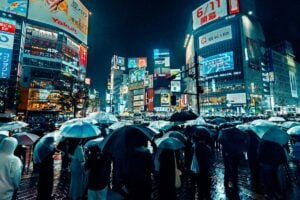

Winter in Japan can feel surprisingly harsh, especially for newcomers. While snowfall in cities like Tokyo, Osaka, and Nagoya is light compared to Hokkaido or Tohoku, the combination of low humidity, drafty homes, and minimal insulation makes indoor and outdoor spaces feel colder than expected.
Unlike in many Western countries, Japanese apartments often lack central heating, relying instead on portable heaters or localized solutions. Understanding how to stay warm is essential for comfort, health, and even productivity during the winter months.
1. Understanding Japanese Heating Methods
Most Japanese homes are heated room by room, rather than with central heating. If you’re coming from a country where such technology is more common, this can take some getting used to! Common heating options include:
- Electric space heaters (電気ストーブ): Fast, portable, and convenient for small rooms. Many modern models include safety features like tip-over shutoff. If you work in a Japanese public school, you’ll often see these in the staff room once the temperatures fall enough.
- Gas or kerosene heaters (ガスストーブ / 石油ストーブ): Powerful and effective, especially for larger spaces, but require ventilation and careful handling due to fumes.
- Kotatsu (こたつ): A low table with an electric heater underneath, covered by a blanket. It’s a quintessential Japanese solution that combines warmth with relaxation.
- Air conditioning units (エアコン): Many units have heating functions, though they warm the air rather than surfaces, making them less effective in poorly insulated rooms.
- Eco-friendly electric blankets: Efficient and safe for long-term indoor use.
Tip for foreigners: Even if your apartment has an air conditioner, pairing it with a space heater or kotatsu can dramatically improve comfort.
2. Insulating Your Home
Many foreign residents are surprised by how cold Japanese apartments feel. As someone who came from the wintery hell that is Chicago, I was not expecting to feel so cold during the winter months in Nagasaki. Especially considering temperatures there practically never dipped below freezing in the winter. To my surprise, I spent my first winter there wearing multiple layers at all times and cranking the heat from the air con unit.
All that to say: heating alone isn’t always enough—insulation is key.
- Draft-proof windows and doors: Simple measures like weatherstripping, plastic window film, or thick curtains can reduce heat loss.
- Floor insulation: Tatami mats, rugs, or carpets help keep floors warm and reduce the chill from cold tiles or wooden floors.
- Layered furniture placement: Position heaters away from doors or windows to avoid wasted heat; block drafts with furniture or cushions.
Even small changes can make a noticeable difference in comfort.
3. Layering Clothing and Thermal Wear
Japanese winters are dry, so maintaining body warmth is just as much about clothing as it is about heating.
- Undergarments and thermals: “Heattech” clothing from brands like Uniqlo is extremely popular. These thin, moisture-wicking layers trap heat without bulk. Try some from a variety of stores (like Muji, Uniqlo, G.U., etc.) and see which one you like best.
- Socks and slippers: Keep your feet warm indoors. Wool or thermal socks are recommended; I even found myself doubling up on socks at times. And while most Japanese people use slippers for indoor use year-round, they become especially popular in winter to add an extra layer between your feet and the cold floor.
- Outer layers: When going outside, layering is crucial. Light down jackets, fleece jackets, and scarves help retain heat without restricting movement.
4. Warming Your Hands, Feet, and Core
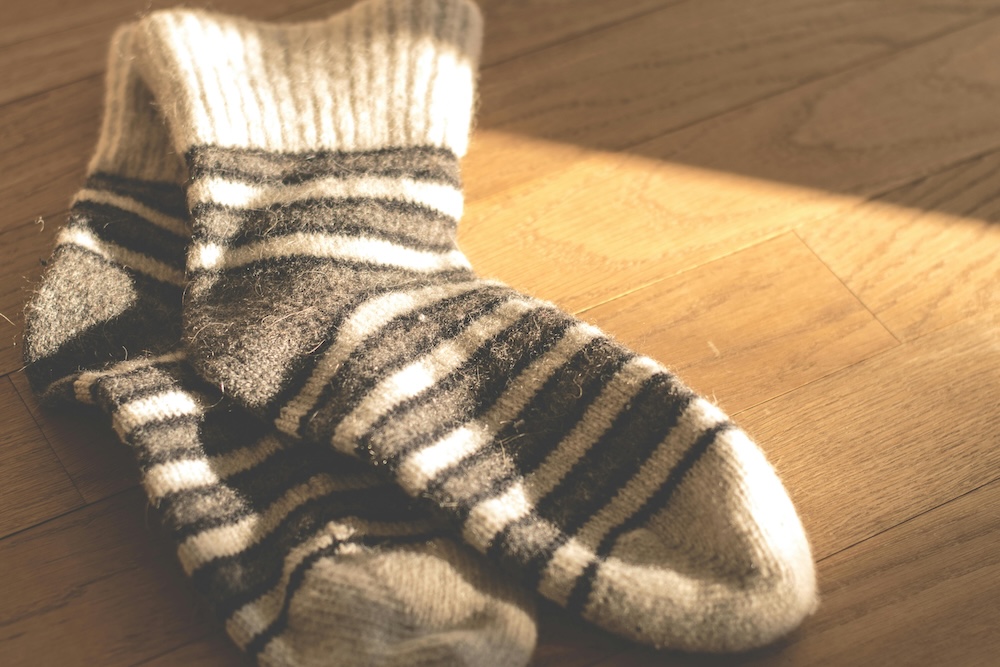
Even if your room is warm, extremities often get cold first.
- Hand warmers (カイロ, kairo): Disposable or rechargeable pocket warmers are sold everywhere—from convenience stores to department stores. They are especially useful for commuting.
- Slippers and heated insoles: Some insoles plug in, while others are disposable heat packs. Both are great for cold floors.
- Blankets and lap rugs: Keep your core warm, especially when sitting at a desk or watching TV.
- Actual rugs: My winters completely changed when I finally invested in a rug for my living area. I especially appreciated this addition when getting out of bed, as it protected my feet from the shock of a cold floor first thing in the morning.
And don’t forget to invest in a good moisturizer! The air can get very dry in Japan, and when combined with the cold temperatures, cracked hands and itchy skin are just one hot shower away.
5. Hot Drinks and Seasonal Foods
Nutrition and hydration can help regulate body temperature naturally. Plus, there’s so much yummy seasonal food to try in Japan:
- Warm beverages: Green tea, coffee, or hot cocoa are great for staying cozy. Genmaicha (玄米茶), a mix of green tea and toasted rice, is one of my favorite teas to brew when it’s cold. Many convenience stores also sell hot canned drinks in winter.
- Soups and stews: Japanese winter foods like miso soup, oden (おでん), and nabe (hot pot, 鍋) are warming and nutrient-rich. Most convenience stores will even start offering oden in winter. You can choose your favorite ingredients and enjoy a hot meal instantly. My favorite lazy weeknight meal in winter is buying vegetables and a pre-made nabe soup at the grocery store, throwing it all in a pot and letting it stew for a bit.
- Spicy foods: Small amounts of chili or ginger can temporarily boost circulation and body warmth. If you want food with actual spice and not the usual Japanese levels, then seek out Indian or Chinese dishes, as it’s easier to find these with more potent spice levels.
6. Commuting and Outdoor Tips
Of course, you can’t stay indoors all the time! There’s usually lots to do outside as well. Or maybe you’re traveling in the winter and must brave the cold to catch your train. For those times you have to leave the house:
- Layer strategically: Wear removable layers—jackets, scarves, gloves—so you can adjust for indoor heating at train stations or offices.
- Thermal underlayers for cycling or walking: Heattech leggings or long underwear work well under regular clothing. You would be surprised how much of a difference warm legs can make!
- Use a scarf or neck warmer: Much body heat is lost through the head and neck, so covering these areas improves comfort.
- Waterproof shoes and warm socks: Snow and slush are rare in southern Japan but can occur. Further north, you’ll definitely encounter both! Keeping feet dry is critical for warmth. There is nothing worse than cold, wet feet.
7. Community and Cultural Practices
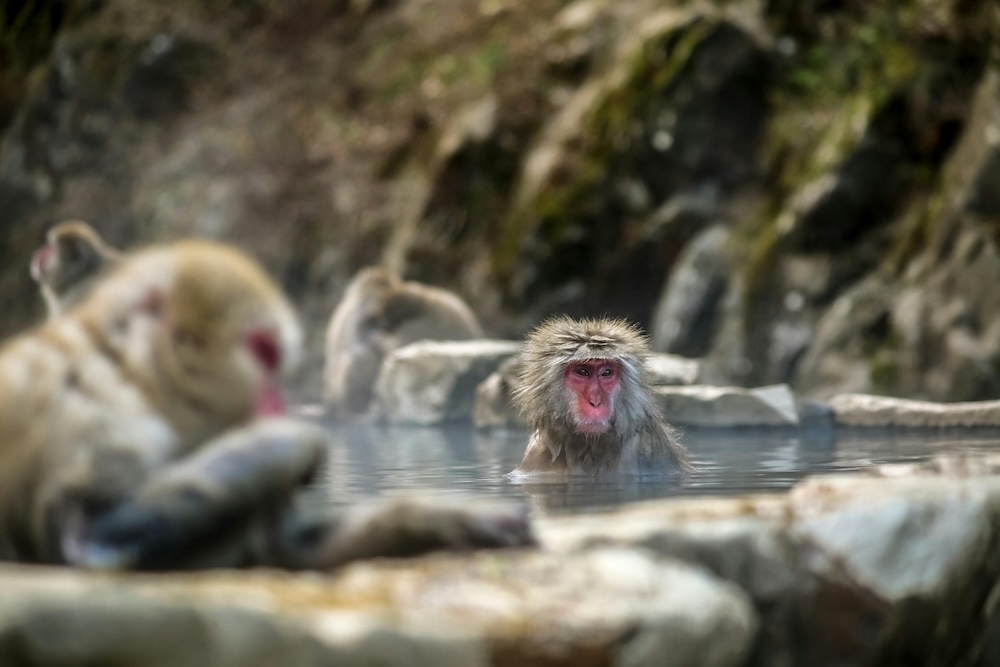
Japanese winter culture includes habits that enhance warmth naturally:
- Kotatsu gatherings: Families and friends gathering around the warmth of a kotatsu table isn’t just something you’ll see in your favorite anime—it’s a place where social gatherings happen in real life too.
- Public hot baths (onsen, 温泉) and sento (銭湯): Shared bathhouses are widely available and offer both warmth and relaxation. In fact, my favorite time of year to visit these kinds of places is the winter. Bonus points if you have an onsen near you that is open air (rotenburō, 露天風呂)!
- Seasonal festivals: Winter festivals often encourage movement and social engagement, which also keeps people warm.
Stay Cozy This Winter
Staying warm in Japan requires a combination of personal preparation, smart use of technology, and cultural awareness. Foreigners may be surprised by drafty apartments, minimal heating, and dry air, but the right strategies—from layering clothing and using heat packs to embracing the kotatsu lifestyle—can make winter not only bearable but enjoyable.
With some adaptation, winter in Japan can become an opportunity to discover local customs, enjoy seasonal foods, and experience Japanese approaches to comfort and coziness.