
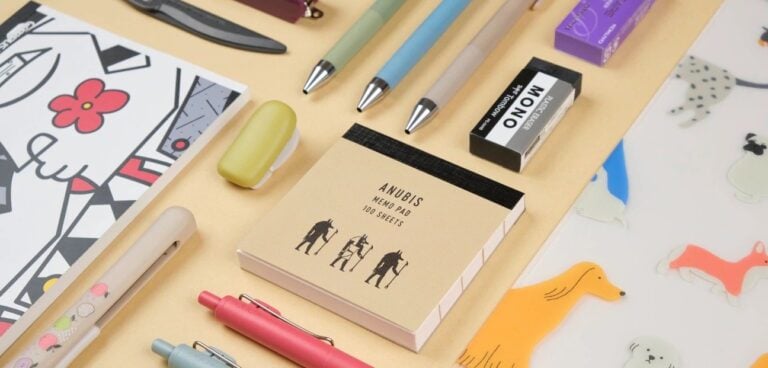
At the start of every year, I find myself in a dilemma. I want to move all my work to digital tools, but I cannot resist the allure of a crisp, clean notebook, and an elegant pen. In Japan, it is quite easy to stray from going fully digital, with the abundance of beautifully crafted notebooks, diaries, pens, and planners available in every shop. Schoolchildren and most adults still carry a pencil case filled with pens, pencils, and erasers. No one will give you a second glance at the office if you pull out your pencil case at the start of a meeting and dig for your favorite pen.
Maybe it is the influence of beautiful handmade washi paper and calligraphy which has instilled the love of the written word in Japan. All children in Japan still have lessons throughout their school years to learn calligraphy, but as they become adults, this art usually ends up as a hobby. Last time I visited an elementary school I saw all the calligraphy brushes hung up to dry in the classroom.
Gift giving, holidays and other social occasions are the perfect opportunity to use the beautiful stationery found in Japan as it amplifies the heartfelt warmth of the giver. The four seasons are infamously celebrated in Japan and the seasonal cards and writing paper reflects this love of nature.
Living in Japan: A Tradition on the Decline: Nengajo – New Year Greetings
Stationery Elevated to Art
Stationery stores may be struggling in the digital age, but some have fought back by elevating their offerings into an art form. One iconic example is Itoya, a long-established stationery store with its flagship shop located in Ginza, Tokyo. Spanning an impressive eight floors, Itoya is a treasure trove of eye-popping merchandise. There are many other Itoya shops located throughout Japan, and they are all worth a visit.
From everyday essentials like pens and pencils to high-end writing instruments, art supplies, calendars, and book covers, Itoya offers a little bit of everything. They also feature unique home decor items and artistic creations, making it more than just a stationery shop—it is a destination for creativity and inspiration. The day I visited the shop it was mostly filled with overseas tourists which shows the allure that Japanese stationery has.
Living in Japan: Why do Japanese Use Kanji?
Loft is another well-known store celebrated for its trendy, modern designs. While it offers a wide variety of products beyond stationery, it has earned a strong reputation for the quality and diversity of its stationery selection.
As a self-proclaimed stationery junkie, my recommendations for enjoying the world of Japanese stationery and paper goods are:
Washi paper: Japanese washi paper and paper making has been recognized as a UNESCO Intangible Cultural Heritage. Traditional designs include various types of flowers, but designers have kept up with modern motifs to ensure the art remains relevant in the modern world. Washi paper looks stunning on any medium it is used. Cards, wedding invitations, book covers, room screens are among the many uses which washi is used. The number of places to experience washi making are limited but the Ozu Washi shop in Nihonbashi, Tokyo offers demonstrations of traditional washi paper making, and you can experience making washi on your own. This shop has been in business since 1653, so it is not just another shop taking advantage of the current tourism boom.
Diaries, Notebooks and Planners: A fresh notebook with a beautiful cover can spark inspiration and motivate you to start writing. In Japan, you will find both lined and unlined options, perfect for writers and doodlers. If you enjoy sketching or free-flowing thoughts, an unlined notebook might suit your style better. Putting pen to paper can be incredibly cathartic—whether you are organizing your thoughts, relieving stress, or simply capturing daily frustrations. If you are feeling overwhelmed, then write it down and let the paper hold your worries. 2025 is the perfect year to start a diary.
Kakimori, a small shop in Tokyo, specializes in custom-made notebooks designed to match each customer’s unique preferences. From selecting the perfect paper to choosing the ring binding and cover, shoppers can create a notebook that perfectly complements their writing style and purpose. Fountain pen users, for example, often prefer thicker, high-quality paper to prevent the ink from bleeding through. Whether you are a writer, artist, or journal enthusiast, Kakimori offers many options.
Next door to Kakimori, their affiliated store, Ink Stand, offers a unique experience where you can mix your own fountain pen ink in your favorite color. It is a creative haven for stationery nerds—how cool is that!
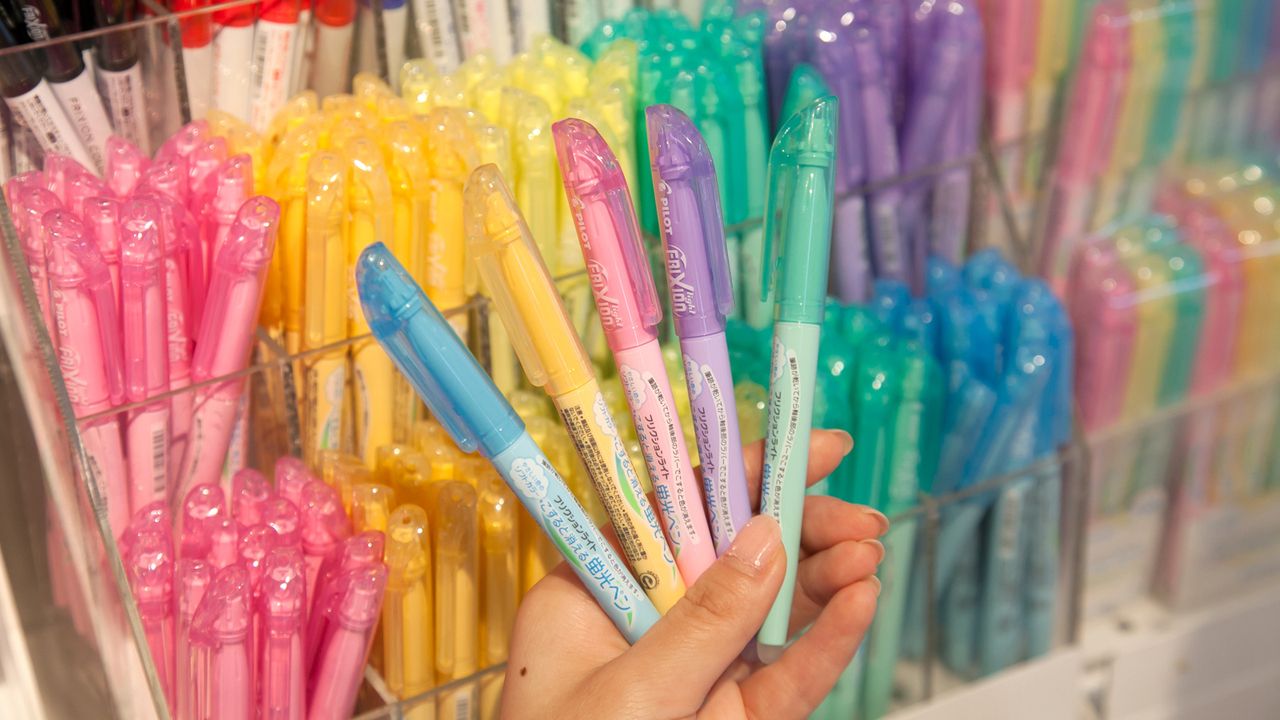
Pens & Pencils: after designing your perfect notebook a suitable pen or pencil is needed as well. The term for someone who has a deep love for beautifully designed writing instruments, paper, notebooks, and other stationery items is stylophile. I collect stationery more than writing instruments since I lose pens too often to invest in that hobby. A basic pen from Pilot gives more than a satisfactory writing experience for me. Many visitors to Japan make stationery shopping a priority when they visit so residents should take advantage of the daily proximity to all the beautiful writing instruments and explore them to the fullest. Loft, Muji, Itoya and even the local convenience store offers a wide selection of writing instruments for your enjoyment.
Bookstores: the bookstores in Japan are another area of retail that has seen its fair share of change. Small bookshops used to be on every corner but most of them have disappeared. The successful stores have adopted the same philosophy of upgrading services to attract new customers and adapt to changing lifestyles. Successful companies are using data to create better products and services more targeted to their customers’ needs, which leads to an increase in sales.
The Tsutaya bookstore that opened in 2011 in Daikanyama, Tokyo, offers a unique blend of a beautifully curated bookstore, high-quality lifestyle goods, a café, and an event space. The store also has an excellent selection of distinctive pens and stationery items. The shop’s success is quite evident since finding a seat on a weekend is challenging. While replicating this model in every city is difficult, it highlights that innovation is the key to survival.
Japan has also brought innovation to books. Many publishers have created mooks – combining the concept of a book with a magazine. They usually cover specific topics, such as fashion, travel, or hobbies. They are printed like magazines but have more in-depth content, like books. I like cookbooks and one thing I appreciate about cookbooks in Japan is their concise, focused approach. Unlike hefty volumes packed with hundreds of recipes you will never use; Japanese cookbooks are compact—typically under one hundred pages—and focus on specific themes. They also show detailed, step-by-step photos of both the process and the finished dish, making the recipe easy to follow. Even if you are not fluent in Japanese, a translation tool can help you successfully complete any recipe with ease.
If you live in Japan, enjoy the hunt for both the famous as well as the hole-in-the-wall stationery shops and bookstores in search of your 2025 notebooks, planners, and writing instruments. There is something special about starting the new year with fresh pens and paper—it inspires creativity and sets the tone for a successful year ahead.