
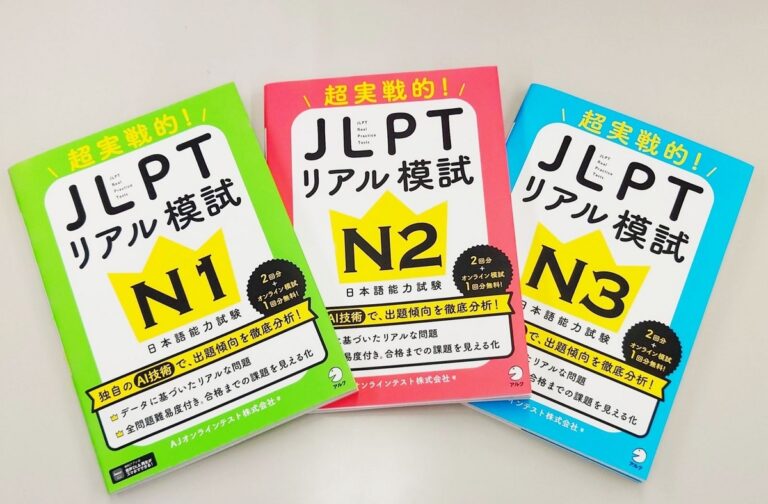
The Japanese Language Proficiency Test (JLPT) is a major milestone for many learners, especially expats living in Japan. Whether you’re aiming for N5 or braving the challenging N2 or N1, it’s a serious test, and not just of vocabulary or grammar. Having taken the N2 twice (and failed the first time by a mere 7 points!), I know firsthand how intimidating and unpredictable the JLPT can feel.
The good news is it’s absolutely passable with the right mindset, resources, and a few lessons learned the hard way. This article will walk you through the key things I wish someone had told me before I sat for the exam (twice). Whether you’re preparing for your first attempt or gearing up to try again, I hope this guide will help you avoid some of the pitfalls I encountered and face test day with more confidence.
The JLPT Format Isn’t What You’d Expect
One of the most surprising things about the JLPT is what it doesn’t test. Namely, speaking and writing. For a language exam, that’s a pretty big omission! This means the test is very much focused on passive skills: reading comprehension, vocabulary, kanji recognition, and listening. While that might sound easier on paper, it also means you’re going to need serious stamina to get through the longer sections.
Time management is another curveball. For example, the N2 gives you 105 minutes for reading and vocabulary, but I always found myself rushing through the last few questions. It’s easy to assume you’ll have time to double-check answers, but more often than not, you’ll be racing the clock. Whether you practice with real JLPT-style materials or not, it’s important to become familiar with the pacing and structure. Mock exams are a good way to do this, as they are actual previous tests. Don’t make the mistake of relying solely on classroom-style review; the JLPT is its own beast.
Study Habits Matter More Than Study Hours
It’s easy to assume that the more hours you cram in, the better off you’ll be, but that’s not always true. During my first attempt at the N2, I studied in long weekend marathons, convincing myself I was making real progress. But without consistency, much of what I studied just didn’t stick.
For my second try, I decided to focus on my weakest point: reading. I found a Japanese light novel that seemed interesting (Mikkakan no Kōfuku 三日間の幸福) and read as often as possible. The beginning of building this habit was the most painful. It was easy to feel discouraged after spending 30 minutes reading a single page. But slowly, I found my speed increasing, my comprehension improving, and my confidence soaring. Not only was I improving my reading speed, my vocab and grammar was also getting much better. When my second attempt came, I found myself flying through a section that previously had bogged me down.

Of course, while this simple change in my approach made a huge difference for me, others might benefit more from different techniques. Short, focused daily sessions, for instance. Ten minutes of vocab flashcards in the morning, a BunPro grammar point after dinner, and maybe 20 minutes of reading during lunch.
Tools like Anki and WaniKani also helped me immensely, but it was the routine reading that made the biggest difference. Whatever tools you use, make sure your plan is realistic for your life and attuned to your weak points. And remember: it’s always better to study 20 minutes a day consistently than burn out trying to do two-hour sessions you can’t maintain.
Test Day Surprises
No matter how well you prepare, the JLPT has a way of throwing curveballs. During my second attempt, the audio during the listening section suddenly got really quiet, just low enough to make me panic mid-test. I started worrying I wouldn’t hear the rest of the questions and didn’t know whether they’d pause the test or keep going. Luckily, the proctors replayed the affected part at the end for everyone who needed it, but that extra stress was not something I had trained for!
Something else that helped on the day of the test was meet up with friends before and after the test. Having people to chat with before helped calm my nerves, and celebrating with them afterwards (even after my first failed attempt) softened the blow. The JLPT can be isolating if you take it too seriously, but it really helps to remember that most of us are in the same boat: slightly panicked, armed with flashcards, and doing our best.
Also, don’t forget the basics! Eat a decent breakfast, check your test location in advance, and try not to cram the night before. Getting good sleep is worth more than any last-minute grammar review. The test is long and mentally draining, and you’ll need every bit of energy to stay focused through to the final minute.
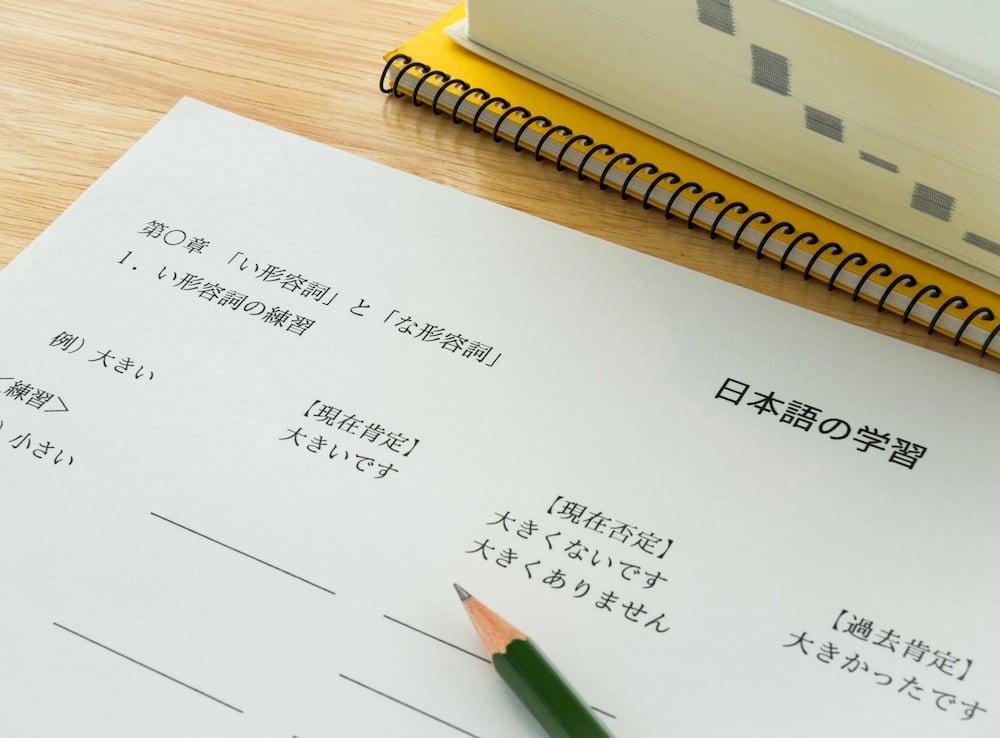
Failing Isn’t the End of the World
Failing the JLPT, especially by a small margin, can really sting. I missed passing N2 the first time by just seven points, and I was devastated. I spent weeks second-guessing myself and wondering if I’d ever be able to pass. But after taking a break and reevaluating my study strategy, I came back stronger the next year and passed comfortably. Looking back, I learned more from failing than I probably would have from scraping by with a pass.
The truth is, the JLPT is just one measure of your Japanese ability. It doesn’t define you as a language learner, and it definitely doesn’t reflect the full range of skills you might use in daily life. If anything, not passing the first time gave me a deeper respect for the process and reminded me why I started learning Japanese in the first place.
Making the JLPT Work for You
Whether you’re taking the JLPT for career goals, visa requirements, or personal motivation, it’s important to remember that the test should work for you, not the other way around. It’s easy to get caught up in comparing scores or obsessing over kanji lists, but—as corny as it sounds—the real reward is in the learning itself.
Passing the JLPT can be a proud achievement, but don’t let it overshadow the everyday progress you’re making just by living, working, and communicating in Japanese. Celebrate the small wins! Reading a sign you couldn’t last year, catching a joke in a drama, chatting with a coworker. These moments matter just as much.
Whatever your JLPT level, go in prepared, stay flexible, and don’t forget to breathe. You’ve got this!