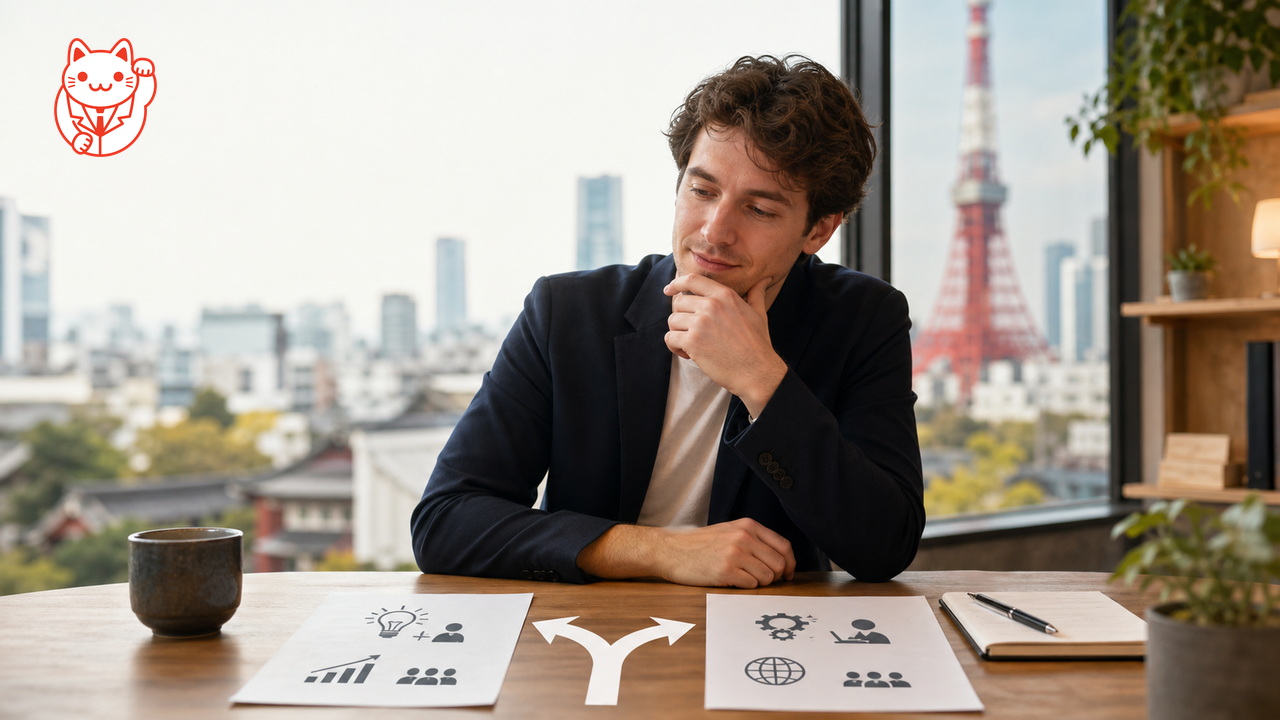
For many foreigners, getting that first job in Japan feels like the finish line.
After months of applying, interviewing, gathering documents, and waiting for a visa, finally landing a position is a huge accomplishment. Whether it's at an eikaiwa, as an ALT, or in hospitality, that first offer represents something much bigger than employment—it represents the opportunity to build a life in Japan.
But after a year or two, something interesting begins to happen.
The excitement of simply being in Japan starts to wear off, and new questions begin to replace the old ones.
"Can I earn more?"
"Is this what I want to do long-term?"
"What comes next?"
For many foreign professionals, it's the second job—not the first—that has the greatest impact on their career in Japan.
Your First Job Opens the Door
There's a reason so many foreigners begin their careers in English teaching, tourism, hospitality, or customer service. These industries are accustomed to hiring international applicants, sponsoring visas, and helping people settle into Japan. For someone with little or no experience living in the country, they provide an accessible starting point.
Your first job teaches you things that no guidebook can. You learn how Japanese workplaces operate. You discover what it's like to communicate with colleagues from different cultural backgrounds. You become familiar with commuting, taxes, health insurance, and all the small routines that eventually become normal.
Just as importantly, you prove something that employers value: you've successfully lived and worked in Japan. That experience alone makes you a stronger candidate than someone applying from overseas.
The Goals Change After the First Year
During your first few months in Japan, stability is usually the priority. You're trying to adjust to a new country, build a routine, and gain confidence in your job. Career progression often takes a back seat because simply adapting requires so much energy.
By your second year, those priorities often shift. Instead of asking, "Can I get a job in Japan?", you're asking, "Can I find a better one?" You begin thinking about where you'll be three or five years from now rather than simply making it through another contract.
This is an important turning point because it changes how you evaluate opportunities. Salary starts to matter more and professional development becomes more important.
Your Second Job Reflects Your Choices
There's an old saying that your first job is the one you can get, while your second is the one you choose. There's some truth to that. Your first position may have been accepted quickly because you wanted a visa or simply wanted the chance to move to Japan. There may not have been time to compare multiple offers or think strategically about your future.
The second time around, you're in a much stronger position. You understand what kind of schedule suits you. You know whether you enjoy teaching children or adults. You've experienced Japanese workplace culture firsthand and have a better sense of the environment where you'll thrive.
That knowledge allows you to make decisions based on fit rather than urgency.
Employers See You Differently
There's another reason your second job matters.
Once you've worked in Japan, employers begin evaluating you differently. Instead of wondering whether you'll adapt to Japanese work culture, they already know you have. Instead of questioning whether you'll commit to living in Japan, they can see that you've already done so.
Recruiters often view candidates with one or two years of Japanese work experience as lower-risk hires. They generally require less onboarding, understand workplace expectations, and are more likely to stay long enough to justify the investment in hiring them. In many cases, that experience opens doors that may not have been available when you first arrived.
This Is Often When Careers Begin to Diversify
One of the biggest misconceptions about working in Japan is that your first job determines your entire career. In reality, many foreigners follow very different paths.
An English teacher becomes a corporate trainer.
An ALT moves into educational publishing.
A hotel receptionist transitions into recruitment.
A customer service representative joins an international company's support team.
The first job builds experience while the second often builds a career. The skills you've developed—communication, cross-cultural teamwork, presentation, problem solving, and customer service—are valuable in far more industries than many people realize.
It's Also Easier to Recognize a Good Employer
Experience also changes how you evaluate companies. During your first job search, it's easy to focus on salary or visa sponsorship because those feel like the biggest priorities.
After spending time in Japan, you begin paying attention to different things. You notice whether managers communicate clearly. You ask about career progression. You want to understand how overtime is handled, how schedules are managed, and whether employees actually stay with the company. These questions usually lead to better career decisions because they're based on experience rather than assumptions.
Don't Wait Too Long
While changing jobs can be positive, staying in the wrong position for too long can make moving more difficult. This doesn't mean you should leave after a year simply because you can. Plenty of teachers and professionals genuinely enjoy their work and continue developing valuable skills.
The key is to ask yourself an honest question:
Am I still learning?
If your responsibilities are growing, you're gaining new skills, and you can see a clear path forward, staying may be the right decision. But if every year looks exactly like the last, it may be time to start exploring what's next. Career growth rarely happens by accident.
Start Looking Before You Need To
One of the smartest things you can do is keep an eye on the job market, even if you're not planning to leave immediately. Seeing what employers are asking for helps you identify the skills that are in demand. It also gives you time to prepare, whether that means improving your Japanese, earning a certification, or updating your resume.
Browsing opportunities on Jobs in Japan isn't just about finding your next job today. It's about understanding where your career could go tomorrow. The best career moves are usually planned months before they're made.
Final Thoughts
Your first job in Japan is important because it gets you here. Your second job is important because it often determines where you go next. It's the point where surviving becomes growing. Where simply living in Japan becomes building a career in Japan.
Many foreigners arrive with the goal of spending a year abroad. A surprising number end up building fulfilling, long-term careers they never imagined when they accepted that first job.
If you've been in Japan for a year or two, now is a good time to step back and ask yourself a simple question:
Is your current job helping you build the future you want, or is it simply keeping you where you are?
The answer may tell you when it's time to start looking for your next opportunity.