
One of the most rewarding (and sometimes most challenging) aspects of working as an Assistant Language Teacher (ALT) in Japan is building rapport with students. Beyond lesson planning and pronunciation drills, success often comes down to how well students feel connected to you. When those relationships are strong, classes run more smoothly, motivation rises, and students begin to view English not just as another subject, but as a bridge to communication.
But rapport doesn’t just “happen”, especially in Japan. For many ALTs, especially those new to teaching or to Japan, students’ initial shyness can feel like an insurmountable wall. It’s common to stand at the front of a classroom and face rows of polite silence, or to greet students in the hallway and receive nervous giggles in return. Building trust and genuine connection takes patience, intentionality, and an understanding of how Japanese school culture works.
Over time, however, ALTs often discover that even small efforts can make a big difference. From hallway greetings to shared interests in music or anime, rapport is built through everyday interactions that show students you see them as people, not just English learners.
Below are strategies that can help ALTs connect more meaningfully with their students, drawn from common experiences in both elementary and junior high schools.
Why Rapport Matters in Japanese Classrooms
But first, let’s think about why building a more open relationship with your students can be a benefit to you.
Japanese students often approach English with a mixture of curiosity and anxiety. For some, the subject feels intimidating, especially when it involves speaking in front of peers. Others may worry about making mistakes, leading to silence even when they know the answer. In these contexts, rapport isn’t just a “nice to have”, it’s central to lowering the emotional barriers that block language learning.
When students feel comfortable with you, they’re more willing to try. They’ll risk speaking aloud, even if imperfectly. They’ll volunteer answers in class, ask follow-up questions in the hallway, or even bring up English phrases they’ve practiced at home. In short, rapport creates a sense of safety, and safety opens the door to real communication.
Strategies for Building Rapport
There’s no single formula, but the following approaches consistently help ALTs form stronger connections with their students.
1. Greet Students Outside of Class
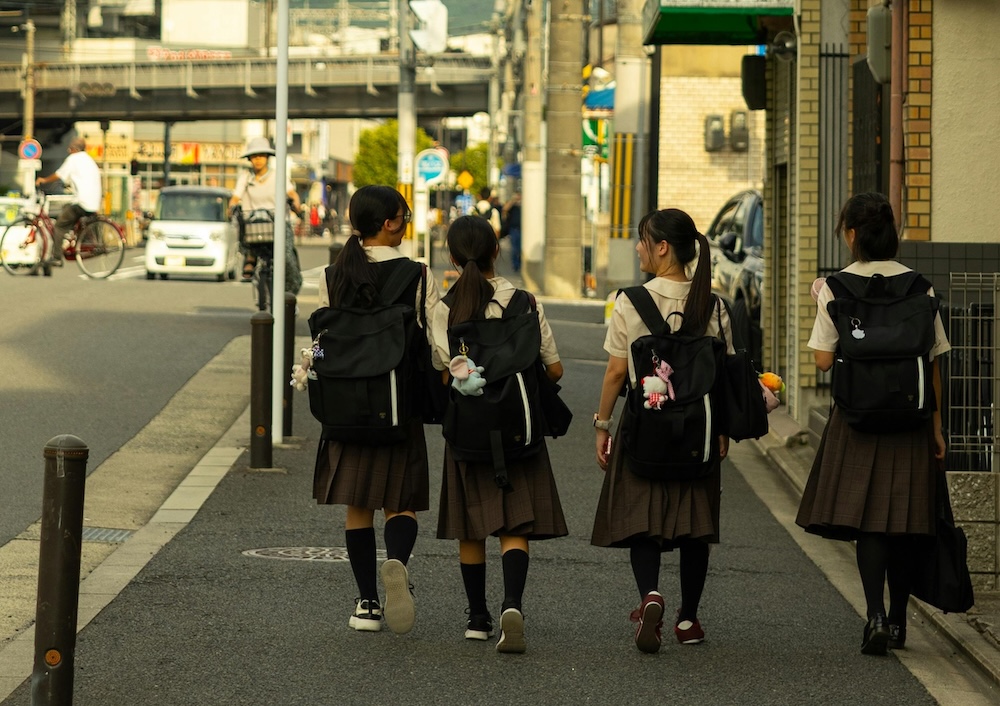
Greeting students in the hallways is one of the simplest, yet most effective, ways to build rapport. A cheerful “hello” or “good morning” as students walk past signals that you see them as individuals, not just faces in the classroom.
In elementary schools, these greetings often spark delight. These students tend to have less reservations about speaking English. They may shout back “HELLO!” with exaggerated enthusiasm or stop you to practice phrases that they’ve recently learned in class. At junior high schools, the reactions may be more subdued—polite nods, shy smiles, or whispering a “hello” back—but over time, even reserved students begin to warm up.
These repeated interactions create familiarity, which is often the first step toward trust.
2. Bring Shared Interests into the Classroom
Rapport can be further deepened when students realize they have something in common with their ALT. Mentioning favorite anime, sports, or even musical artists can open doors to conversations that might not otherwise happen.
So, even if you’ve never heard of Mrs. Green Apple or the more eclectically-named Creepy Nuts, it’s worth giving some of their stuff a listen so you can reference them with your students.
For me, discovering that some students listen to Japanese rap (a less mainstream choice compared to J-pop) sparked instant conversation with students I never would have had the opportunity to speak with otherwise. Similarly, mentioning a favorite anime during your self-introduction lesson gives students another opportunity to connect with you. This often leads to lively exchanges: “Who’s your favorite character?” “Have you seen the whole series?” These seemingly small interactions plant the seeds of ongoing rapport.
By bringing authentic parts of your own life into the classroom, you show students that you’re someone they can relate to.
3. Celebrate Small Wins
For students, especially those who are shy or lack confidence in English, even minor accomplishments can feel significant. Things like a quiet student volunteering an answer, a class laughing together at a warm-up activity, or a student attempting a full sentence instead of a one-word reply are all wins worth recognizing.
And positive reinforcement doesn’t need to be elaborate either! A smile, a nod, or an encouraging phrase like “Good job!” or “Nice!” can go a long way. Over time, these small moments accumulate, reinforcing to students that their efforts matter more than perfection.
4. Use Body Language and Gestures
Language barriers can feel intimidating, but body language is universal! Using it helps bridge the gap. Gestures, facial expressions, and exaggerated reactions often communicate encouragement more effectively than words alone.
For example, using bigger reactions than normal during games—pretending to faint dramatically when a student beats you at rock-paper-scissors, or looking shocked when they answer quickly—makes lessons feel fun and accessible. Even outside of class, waving, giving a thumbs up, or playfully miming confusion can keep communication light and engaging.
These non-verbal cues reassure students that communication is possible, even without perfect English.
5. Participate in School Life
Students often see ALTs as visitors who appear only for English class. Breaking down that perception can be another way of helping students to open up. Joining sports day rehearsals, helping prepare for a school event, sitting with students during lunch, or (if you’ve got the energy for it) playing with them during their hiruyasumi (昼休み after-lunch break) creates opportunities to connect in less formal settings.
One memorable example is participating in a school’s ensoku (遠足, school excursion). Walking alongside students, eating lunch together, and sharing the day builds a sense of camaraderie that carries back into the classroom. One of my favorite student interactions came on one of these days. A student of mine who had previously been quiet in class invited me to sit on their picnic mat at lunch and walked back to school with me. I always took notice of him in our future lessons which, in a school of 300+, is saying something!
These experiences remind students that their ALT is part of their school community, not just someone in the English classroom.
6. Create Consistent Routines
Small routines can build a sense of familiarity and connection. Always ending class with the same playful goodbye phrase, starting lessons with a quick warm-up question, or handing out stickers for participation can give students something to look forward to.
One of my claims to fame in elementary school was always starting with a warm-up song that included gestures, allowing students to practice common English greetings. It was an opportunity for me to really ham up my performance and get a few laughs! After learning the song, the students would often stop me in the hallway to perform it for me.
Consistency also signals reliability, which helps students feel comfortable taking risks. Knowing that their ALT will always open class with a short game or always ask about their weekend makes the environment more predictable and less intimidating.
Five Keys to Rapport-Building as an ALT
To sum up, rapport-building comes down to consistency, authenticity, and empathy. The following five keys often make the biggest difference:
- Be visible – Say hello in the hallways, wave during breaks, and show that you’re approachable.
- Share your interests – Anime, music, sports, food—small details give students an opening to connect.
- Value effort – Praise attempts, not just accuracy, to encourage participation.
- Use non-verbal cues – Gestures and facial expressions break down barriers and keep communication fun.
- Engage outside the classroom – Join school activities to show you’re invested in their world.
When practiced consistently, these habits turn everyday interactions into long-term connections.
The Long-Term Impact of Rapport
Rapport isn’t built overnight, but once it’s there, it transforms both the classroom atmosphere and the ALT experience. Students become more engaged, more willing to take risks, and more likely to see English as a living language rather than a test subject.
For ALTs, strong rapport makes lessons smoother and more rewarding. It also eases the feeling of being an outsider. Instead of standing at the margins, you begin to feel like part of the school community, even if only in small ways.
In the end, building rapport is less about grand gestures and more about small, consistent efforts: a hallway greeting, a shared laugh, a moment of recognition. These small acts accumulate, creating an environment where students feel safe, motivated, and ready to learn.
And that’s the real heart of the ALT role. Not just teaching English, but showing students that connection, communication, and curiosity are worth the effort.