
Even though I’ve been living in Japan for quite a while, I never really took the time to go on a guided walking tour to explore more of the city. I’ve explored different parts of Tokyo on my own and have wandered through train stations and tried cute cafés, but joining an official tour with a local guide was a first for me!
I decided to join a walking tour through a Japanese tour company called TOMOGO, which I found online, and had the pleasure of exploring parts of Tokyo that I would have otherwise never heard of. It was more than just sightseeing for me — It was a gentle, thoughtful way to see the city through someone else’s eyes and especially that of a local who has had the opportunity to tour dozens of other curious tourists’ way before me.
Jinbōchō: Tokyo’s Secondhand Book Paradise
The tour started near Jinbōchō Station, where I met our guide at a cozy café for a brief rundown on how the tour would go. She was friendly and easy to talk to, and from the beginning, I could tell she was passionate about the city’s hidden corners. She talked a lot about how tourists these days want to travel in Japan with a list of places in their hands, with a goal of simply ticking one area after another, without fully being immersed in the culture and seeing the country as how a local would.
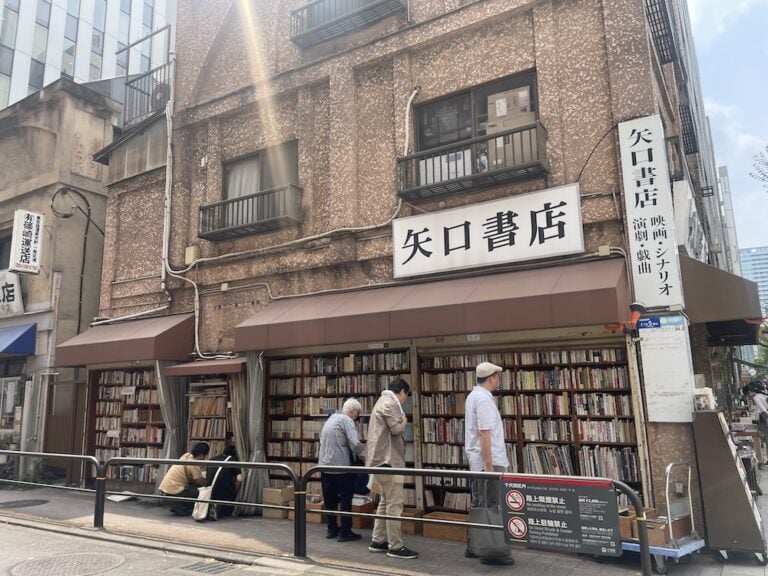
Our first destination was the Jinbōchō Secondhand Bookstore District, which completely amazed me– a book nerd who would willingly spend 5 hours browsing through a library filled with thousands of stacks of books. I’ve passed through Tokyo’s more modern areas so many times, but this spot felt like I had stepped into the past, with rows of secondhand bookstores lined up on the streets. The scent of old paper filled the air, and some of the books dated back to the Shōwa era, even the Edo era, with covers that had that vintage look you won’t find anywhere else.
It wasn’t just about looking at books. The guide also shared stories about Japanese wooden dolls and the tragic past behind them, including one that symbolized sadness and loss for parents and their children. This kind of small cultural detail wouldn’t normally be known to you unless someone explained it to you who knows enough about the history pertaining to it. A while later, we stopped to take pictures in front of the stalls before heading out. The whole area had this calming, slow pace that made me want to linger further despite my inability to read anything over N4.
Book House Café with Whimsical Feels
We made our way to Book House Café, which is a children’s bookstore and café rolled into one. It was very colorful and had shelves filled with magical books and ceilings painted neatly for curious little customers. There were also books for all ages, picture books in multiple languages, and even a few English titles. We grabbed a drink and relaxed for a bit as it had gotten pretty hot at that point. Whether you love children’s books or just want a quiet place to enjoy a coffee, this café is a perfect stop if you ever find yourself lost in the streets of Jimbocho.
Lunch at an Udon Spot
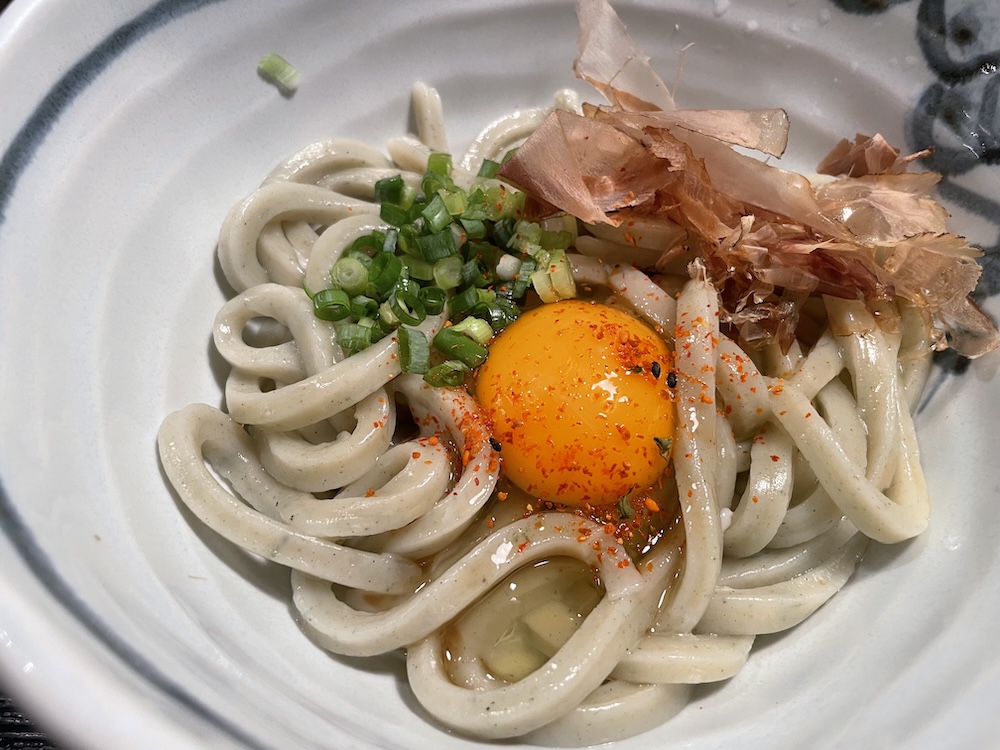
After that, it was time for lunch. We ate at a small udon shop called UDON-SAKABA E-EICHI, which can actually be found inside the station, not too far from the subway platform. I had a comforting bowl of udon while seeping a cup of green tea in one hand. The tour guide and I chatted a bit about her previous customers and what type of activities first timers like to engage in when they first arrive in Japan, as well as other recommendations she had for me to explore, if I hadn’t yet.
Once we finished lunch, we took a train and headed off to explore Yanesen.
What is Yanesen?
The name Yanesen is a blend of three neighborhoods: Yanaka, Nezu, and Sendagi. These areas are known for their old-fashioned charm and quiet streets. They are some of the few parts of Tokyo that were not destroyed during the war, so many of the buildings and alleyways have stayed the same for decades.
I loved the ambience of the streets as they remind me of Kyoto or Kawagoe, with bustling streets filled with photographers taking a shot of the entrance gates and kids casually eating ice cream. I also loved how there are so many traditional shops selling everything from handmade handkerchiefs to green onions. Gone were the tall buildings and noisy streets. Instead, we saw narrow roads, small houses, and cozy shops that looked like they had been there since time immemorial.
Yanaka Komichi: Walking Through Time
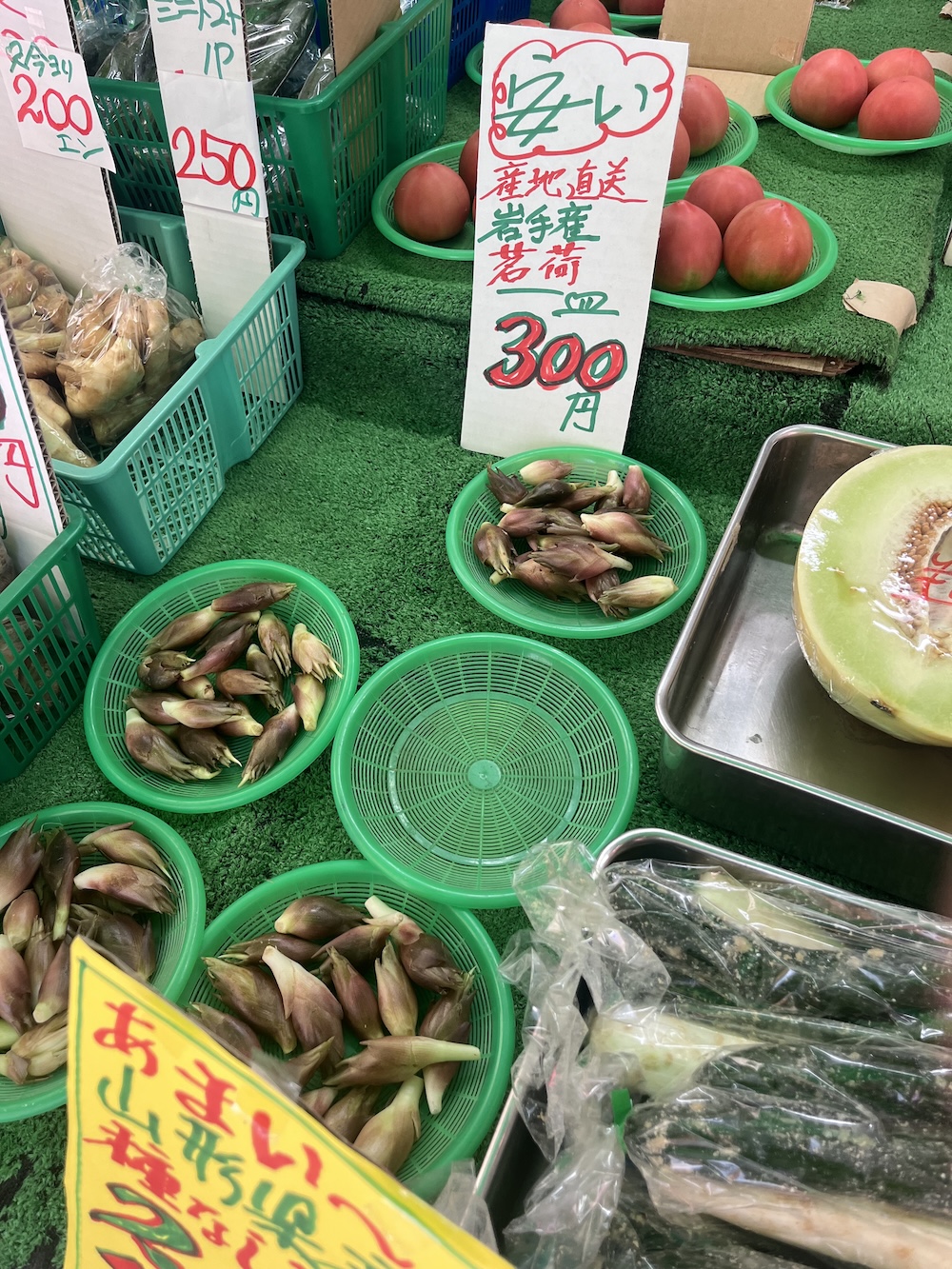
We wandered through Yanaka Komichi, a small shopping street full of family-owned shops, snack stalls, and artisan stores. It felt like a retro-style market — something you would find if you took 2 steps back to the 80’s with their cutely designed signages and nicely stacked paper fans, the kind I would see back home growing up in the Philippines. Some places sold handmade items and others sold fresh vegetables or old-fashioned toys made of wood.
I bought a soft-serve ice cream to cool down during the walk as well, and looking back, I think I was constantly buying food everywhere we went. The area was peaceful, and every shop seemed to have a story behind it, and I could easily see why locals and tourists alike love it so much. It is one of those places that has managed to stay untouched by the fast pace of modern Tokyo despite being in the heart of the city.
A Colorful Detour at Restaurant Zakuro
Later in the tour, we went to Restaurant Zakuro, a beautiful Iranian and Turkish restaurant. It really stood out in a sea of traditional Japanese shops due to the uniqueness of the exterior, with colorful tiles and rugs adorning the façade of the storefront.
The place was filled with color and detail. Ceramic tiles, embroidered table runners, Persian carpets, and chandeliers made the restaurant feel like a piece of the Middle East right in the middle of Tokyo. We decided to stop by, an hour before the tour ended, to cool down and relax. I ordered a refreshing drink and just sat back to take in the décor.
They sell various cultural items like embroidered fabrics and ceramics, which gave the space a warm, welcoming feel. It was a surprising stop on the tour because it showed how multicultural and diverse Tokyo really is.
Last Stop: Handmade Brooms at Matsunoya
Our final stop was a store called Matsunoya, known for selling handmade traditional goods. The moment we walked in, I noticed the brooms hanging neatly from the walls and other items elegantly displayed. I needed a broom, so I wasted no time buying one for our yard.
Matsunoya also sold beautifully crafted bags, tools, and daily-use items that were all made using traditional methods. I even found a few things that were imported from the Philippines. The products were a bit on the pricey side, but then, it also comes down to premium quality and the time spent crafting every item meticulously with love and care.
We initially wanted to see the Nezu Shrine, but since we only had 3 hours to spare, we thought it was best to end the tour there. And it was perfect.
Takeaways From The Tour
This walking tour through Jinbōchō and Yanesen turned out to be one of the most meaningful experiences I have had in Tokyo. It reminded me that there is always more to discover, even if you think you already know the place you live in and have lived there for many years.
Being guided by someone who truly knows and loves these neighborhoods gave me a new perspective, and I realized that there was still a gazillion things I have yet to learn about Japan, about the Kanto area, even about Tokyo.
If you are living in Japan or just visiting Tokyo, I truly recommend taking a tour like this if you get the chance. It is a gentle, eye-opening way to experience the heart of the city—away from the usual crowds, in the places where time feels like it moves just a little slower and transports you back to an era of Japan that is far from Saizeriya robots or 3D billboards in Shinjuku. It is truly worth it to take it one step at a time and experience Japan like no other.