
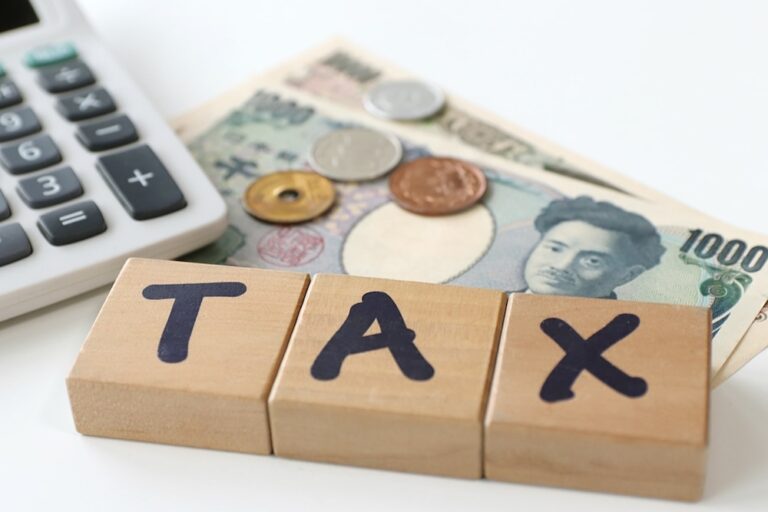
It was my first time filing taxes in Japan, and to be honest, I wasn’t looking forward to it. The process sounded complicated and intimidating, especially since I had several part-time jobs in 2024. Unlike full-time work where your employer usually handles most of the tax process for you, being a freelancer or juggling multiple gigs means it’s your responsibility to report everything on your own.
Filing season in Japan typically starts around mid-February and ends on March 15. During this period, you declare your income from the previous year. For me, that was everything I earned in 2024. If you’re in a similar situation or planning to file taxes next year, keep reading. This might help you avoid confusion and make the process easier.
Why Do You Need to File?
If you’re employed full-time by one company, your employer usually deducts taxes from your paycheck and files everything on your behalf. You might think there’s nothing else to do, but there is a chance you could get some of that money back. This applies especially if you had deductions like medical expenses, dependents, or other qualifying factors.
If you’re like me and had multiple part-time jobs, things can get tricky. Not all part-time employers deduct taxes. Some just pay you the full amount, which leaves the responsibility entirely on you to report it.
For independent contractors or freelance workers, tax is usually withheld at a flat rate. In most cases, it’s around 10 percent. What many people don’t realize is that you might be entitled to a refund if your total income or expenses support it.
It is also worth noting that if your total annual income is below 200,000 yen, you may not be required to file. But it is always better to confirm with your local tax office.
Living in Japan: All You Need to Know About Residence Tax
What I Prepared for Filing Taxes in Japan
I began preparing my documents in January. I wasn’t entirely sure what I would need, so I did a bit of research and made a checklist. I gathered all of the following:
- Invoices I sent to clients
- Screenshots and records of payments received
- Bank deposit records
- A list of all my part-time jobs with income totals
- Gensenchoshuhyo (withholding tax slips) from the companies that gave them to me
Not every job gave me a tax slip, so I had to rely on bank statements and payment records for the rest. If you worked full-time, your company should issue a tax slip in January. If you worked at more than one place, make sure to get a slip from each employer and keep them organized.
Living in Japan: The Japanese Pension System and You: A Guide for Foreign Residents
The Filing Process
You can file your taxes online or in person. Japan’s National Tax Agency has an official website where you can log in and file everything digitally. To access the system, you can use your MyNumber card or request a login ID and password.
Since it was my first time, I went to the tax office in person. I brought all my paperwork along with a personal summary I wrote listing all my income sources and totals. If you’re missing anything, they may not allow you to process your declaration, so it is important to come prepared.
I arrived early in the morning and was given a number. It was quite a long line, so I had time to step out for a quick breakfast and returned just before my number was called. At the entrance, they handed me a short form to fill out with basic information like my address, contact number, and MyNumber.
The process is divided into several steps. First, you are guided to a section with computers where a staff member helps you generate your login ID and password for the filing website. After that, I moved to another line where a different staff member checked my documents and asked about the purpose of my visit.
Finally, I was sent to another booth where a staff member helped me input everything into the online form. They asked questions, confirmed my details, and helped me with areas I was unsure about.
Living in Japan: Introducing Furosato Nozei, Japan’s “Hometown Tax”
A Few Hiccups
I ran into a small problem when I realized some of my part-time jobs did not issue a gensenchoshuhyo. Thankfully, I had bank deposit information that matched the payments, and the staff were able to help me estimate the rest.
I was also told that I could return to make changes later if needed, as long as I had supporting documents. That was a big relief because I wasn’t sure if everything was completely accurate. I did my best and submitted the form with the help of the staff.
At the end of the filing, the system showed that I was getting 20,000 yen back. That was a pleasant surprise. I provided my bank account details for the refund to be deposited, and they told me to expect it within one to two months.
The last step was to drop the initial paper form I received into a box near the exit. And just like that, I was done.
Things I Learned
One important lesson is to always ask for your gensenchoshuhyo from every company you work for. It is an important document, and without it, the filing process can take longer or nearly impossible. Keep your records, receipts, and payment proofs organized throughout the year. It is also a good idea to bring hospital visit receipts and other documents if you are sending money abroad to family members as this can really help with increasing the amount you are eligible to receive for your tax return.
I also learned that you can file for past tax refunds from up to five years ago. As long as you have the necessary documents, you can still claim old refunds. So, if you missed filing in previous years, it may not be too late.
Working in Japan: What’s The Average Salary In Japan Really?
Key Takeaways from Filing Taxes in Japan
Filing taxes in Japan for the first time was not as scary as I thought. It took a bit of time and effort to gather everything, but the staff were helpful and understanding, even though I was not completely confident in Japanese. I’m really glad I pushed through and did it because now I feel much more confident for next year.
If you’re a part-time worker, freelancer, or someone with different income sources like me, don’t panic. Just start early, keep good records, and bring everything with you when you go to the tax office. You might even walk away with a little money back.