Job hunting in Japan comes with its own set of customs and expectations, many of which differ significantly from Western hiring practices. One of the most notable differences is the requirement to submit two separate resumes, each designed to serve a specific function: the rirekisho (履歴書) and the shokumu keirekisho (職務経歴書). While this dual-document system may seem unusual to foreign job seekers, it reflects the structure and values of Japanese work culture and plays a major role in how hiring managers evaluate applicants.
Understanding why both documents exist and how to prepare them effectively can dramatically improve a candidate’s chances in the Japanese job market.
What Is a Rirekisho? A Standardized Snapshot of Your Background
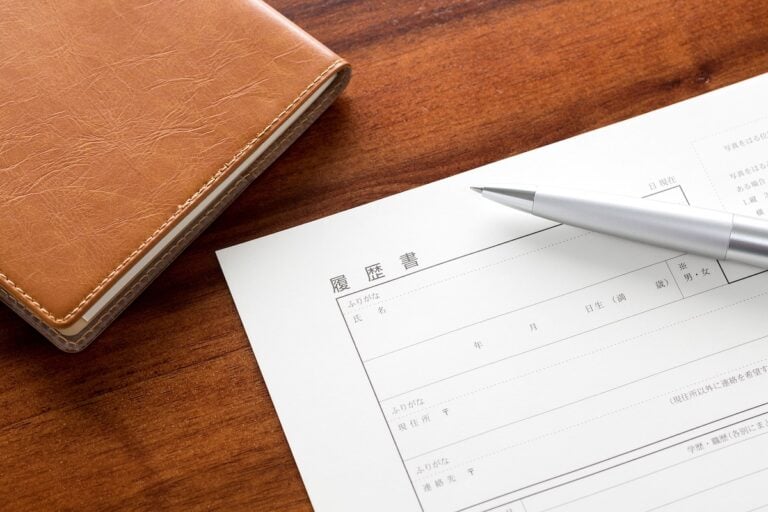
The rirekisho is a structured, largely standardized resume template used throughout Japan. Its purpose is to provide employers with a clear, consistent overview of your academic and employment history in a format that can be quickly scanned and compared across applicants.
Most rirekisho include:
- Personal information (name, address, contact details, date of birth)
- A professional photo following Japanese conventions
- Education history written chronologically from high school onward
- Employment history as brief, factual entries
- Qualifications or licenses
- A short statement of motivation (志望動機), often only a few lines
Traditionally, many companies preferred handwritten rirekisho, viewing them as a sign of sincerity and effort. Although typed versions are now widely accepted, the emphasis on neatness, accuracy, and clarity remains extremely important.
Why the Rirekisho Matters
Japanese hiring processes prioritize reliability, presentation, and attention to detail. Because the rirekisho uses an identical structure for all applicants, it allows hiring managers to:
- Compare candidates based on the same categories
- Verify educational background and job stability
- Quickly filter applicants who followed instructions correctly
For foreign applicants, this document offers an opportunity to demonstrate cultural awareness by using the correct template and conventions.
What Is a Shokumu Keirekisho? A Detailed Summary of Professional Skills
The shokumu keirekisho is more flexible and resembles the Western-style CV. Instead of a fixed template, it allows applicants to describe their professional experience in depth and highlight concrete contributions.
A typical shokumu keirekisho contains:
- A short professional summary introducing your expertise
- Detailed job descriptions outlining responsibilities and scope
- Achievements, results, or metrics (e.g., sales increases, project outcomes)
- Technical skills, tools, certifications, and languages
- A self-promotion or strengths section
While the rirekisho presents facts, the shokumu keirekisho is where applicants show elements especially important for mid-career professionals, such as how they think, solve problems, and deliver value.
Why the Shokumu Keirekisho Matters
Japanese companies use this document to evaluate:
- Your practical experience
- How well your past work matches the job description
- Your communication and organizational skills
- Your potential for long-term contribution
For foreign professionals with measurable achievements, this document is often the strongest part of the application.

Why Japan Uses Two Different Resumes
The dual-resume system reflects Japan’s unique hiring traditions. Historically, most employees joined companies straight out of university with little work experience. The rirekisho’s standardized format made it easy to screen large groups of fresh graduates.
As Japan’s economy changed and mid-career hiring became more common, companies needed a way to evaluate practical experience, leading to the rise of the shokumu keirekisho.
Together, the documents serve two distinct purposes:
- Rirekisho → “Who is this person?”
- Shokumu keirekisho → “What can this person do?”
This system also reflects Japanese business values. Things like meticulousness, modesty, and thorough documentation.
Key Differences Between the Two
To help clarify how the two documents function together, here’s how they differ:
Rirekisho:
- Standardized format
- Short, factual entries
- Minimal customization
- Focus on background, history, and basic info
- Often required even for simple screenings
Shokumu Keirekisho:
- Flexible format
- Detailed responsibilities and achievements
- Highly customizable for each role
- Focus on skills, value, and future potential
- Critical for mid-career or specialized positions
Tips for Foreign Professionals Preparing Both Documents
Creating two resumes can seem time-consuming at first, but it becomes easier once you understand Japanese hiring expectations.
Here are practical guidelines for foreign job seekers:
1. Follow Rirekisho Conventions Closely
- Use a standard template (many online resources offer them).
- Include a clean, neutral professional photo.
- Write in proper chronological order.
- Avoid leaving fields blank, even if a field seems less relevant.
2. Tailor the Shokumu Keirekisho to Each Job
- Put the most relevant experience first.
- Quantify achievements when possible (even modest numbers are valued).
- Include specific tools, software, or languages relevant to the role.
- Keep explanations clear and straightforward rather than promotional.
3. Be Culturally Aware With Tone
In Japanese resumes:
- Emphasize teamwork and collaboration.
- Use modest phrasing instead of direct self-promotion.
- Highlight eagerness to learn, contribute, and adapt.
4. Keep Formatting Clean and Professional
Consistency in fonts, spacing, and headings signals reliability. Japanese hiring managers often notice formatting details more than Western ones.
5. Prepare Both Documents in Japanese If You Can
Even if the job requires English, submitting Japanese versions can significantly improve your chances, as it demonstrates commitment and cultural literacy.
When Western CVs Are Acceptable
Some companies—especially foreign-owned firms, international startups, and tech organizations—accept a Western-style CV alone. However, even in these environments, submitting both Japanese documents may give you an advantage if:
- The team includes Japanese colleagues
- The role requires cross-cultural work
- HR primarily conducts screening in Japanese
Since expectations vary widely, sending the full set is usually the safest choice unless the employer explicitly states otherwise.
Conclusion
Japan’s two-resume system can be unfamiliar to foreign job seekers, but it plays an important role in how candidates are evaluated. The rirekisho provides a standardized overview that highlights reliability and professionalism, while the shokumu keirekisho explains how an applicant’s experience and skills align with the role.
Mastering both documents not only strengthens your application but also signals respect for Japanese business culture, which carries significant weight during the hiring process. With thoughtful preparation, foreign professionals can use this dual system to present themselves clearly and confidently in the Japanese job market.