
When I first arrived in Nagasaki to work in the local school system, I thought I knew how meetings worked. As someone from London, I was used to jumping in with ideas, filling awkward silences, and making sure my voice was heard. After all, isn’t that what meetings are for? But after months of confused looks, polite nods, and the growing sense that I was somehow getting it all wrong, I realised I needed to completely rethink my approach to Japanese workplace communication.
The lesson I learned changed everything about how I work in Japan, and it’s one that every Westerner needs to master: the art of strategic silence.
My First Meeting Disaster
I’ll never forget my first proper staff meeting at the school where I taught. The headmaster was discussing some upcoming changes to the curriculum, and there was a long pause after he finished speaking. In London, this would have been prime time to ask clarifying questions or offer suggestions. So naturally, I jumped in.
“That sounds brilliant,” I said enthusiastically. “Have we considered how this might affect the students in Year 3? And what about the timing with the sports festival?”
The room fell silent. Not the thoughtful kind of silence I’d interrupted, but an uncomfortable, heavy quiet. Everyone looked at their hands, the table, anywhere but at me. The headmaster gave a polite smile and moved on to the next agenda item without addressing my questions.
Later, a kind Japanese colleague gently explained what had happened. “Miller-san,” she said, “in our meetings, we often need time to think before we respond. Your questions were good, but the timing…”
That’s when it hit me. I hadn’t just asked questions poorly timed; I’d completely misunderstood the entire rhythm of Japanese meetings.
Understanding the Japanese Meeting Hierarchy
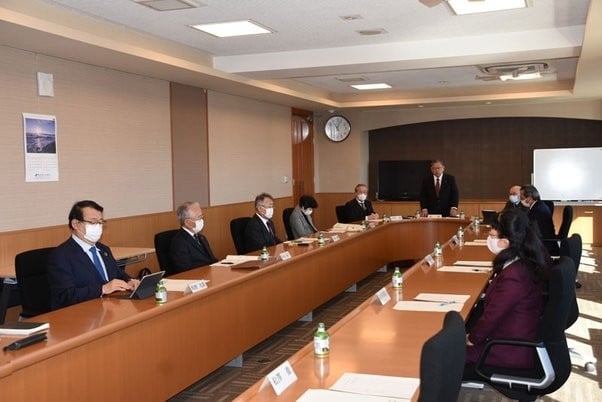
Japanese meetings operate on a completely different wavelength from their Western counterparts, and much of this comes down to hierarchy. In the schools where I worked, there was always a clear pecking order: the headmaster at the top, followed by deputy heads, senior teachers, then everyone else. But it’s not just about who has the most senior title.
Age, experience, and even the length of time someone has worked at that particular school all factor into the unspoken hierarchy. As the foreign teacher, I was often somewhere near the bottom of this structure, regardless of my qualifications or experience back home.
Understanding this hierarchy is crucial because it dictates not just who speaks when, but who gets to break silences, who can ask questions, and even who’s expected to offer opinions. Jump out of turn, and you’re not just being rude—you’re disrupting the entire flow of how business gets done.
The Power of Ma: Embracing Japanese Silence
The Japanese concept of ma (間) refers to the meaningful use of silence, pause, and empty space. In meetings, ma isn’t just dead air to be filled—it’s an active part of the communication process. While my British instincts screamed at me to fill every pause with words, I slowly learned that these silences serve important purposes.
Sometimes, silence gives senior members time to formulate their thoughts. Other times, it’s a period for reflection on what’s been said. Occasionally, it’s even a gentle way of showing disagreement without direct confrontation. By rushing to fill these pauses, I wasn’t being helpful. I was trampling over a crucial part of how my Japanese colleagues processed and responded to information.
Learning to sit comfortably in these silences was one of the hardest things I had to master. Everything in my British upbringing told me that quiet meant the meeting had stalled, that someone needed to get things moving again. But once I learned to embrace ma, I discovered something remarkable: people started listening more carefully when I did speak.

Why Silence Earns Respect
After months of practising strategic silence, I noticed a significant shift in how my colleagues treated me. Instead of polite but distant interactions, I found myself being consulted on decisions and included in informal discussions that happened after meetings. The respect I’d been trying to earn through active participation was actually coming from knowing when not to participate.
This respect comes from demonstrating that you understand your place in the hierarchy and the flow of Japanese communication. When you show that you can read the room, wait your turn, and contribute meaningfully rather than frequently, you’re proving that you understand how to work within the Japanese system rather than against it.
Senior colleagues began to see me as someone who “got it”. As someone who could be trusted with important information because I wouldn’t blurt it out at inappropriate times. Junior staff started approaching me for advice because they saw I could navigate the complex social dynamics of the workplace.
Reading the Room: Knowing When to Speak
Of course, strategic silence doesn’t mean becoming mute. The key is learning to read the subtle cues that indicate when input is actually welcome. After attending dozens of meetings in Nagasaki schools, I developed a sense for these moments.
Sometimes, a senior member would glance around the room expectantly after making a statement. This was often an invitation for carefully considered responses. Other times, a long pause might be followed by the meeting leader asking a direct question to the group, signalling that it was appropriate for several people to contribute.
I also learned to watch for the subtle nod from a senior colleague, which sometimes indicated that now might be a good time to share the idea I’d been holding onto. These non-verbal communications are everywhere in Japanese meetings, but you can only pick up on them if you’re not too busy planning your next interruption.
The Nemawashi Factor
One of the biggest revelations about Japanese meetings was discovering that much of the real decision-making happens outside the formal meeting room. This behind-the-scenes preparation is called nemawashi (根回し), literally meaning “to go around the roots.”

Important topics are often discussed beforehand in smaller groups or one-on-one conversations. By the time the formal meeting occurs, there’s usually already consensus about the major decisions. The meeting itself serves more to formally announce and document what’s already been agreed upon than to debate new ideas from scratch.
Understanding this completely changed my strategy. Instead of trying to introduce bold new concepts during meetings, I learned to have those conversations beforehand with the appropriate people. Then, during the meeting, I could offer brief, supportive comments that aligned with the emerging consensus rather than derailing the conversation with unexpected suggestions.
Practical Tips for Mastering Meeting Silence
Start by observing the rhythm of your workplace meetings. Notice who speaks first, who tends to break silences, and how long pauses typically last before someone responds. This will help you understand the specific dynamics of your environment.
When you do have something to contribute, try writing it down first. This serves two purposes: it helps you organise your thoughts more clearly, and it gives you a moment to consider whether this is actually the right time to speak up. Often, I found that the act of writing down my idea helped me realise it would be better saved for later.
Practice being comfortable with silence in other situations too. During one-on-one conversations with Japanese colleagues, resist the urge to immediately fill pauses. You might be surprised by what people share when they have space to think and speak at their own pace.
When Silence Goes Too Far
There’s a fine line between strategic silence and complete disengagement. The goal isn’t to become invisible, but to be more intentional about when and how you contribute. If you never speak up, colleagues might wonder if you’re even paying attention or if you have anything valuable to offer.
The key is finding your voice within the Japanese system rather than abandoning it entirely. When you do speak, make sure your contributions are thoughtful, relevant, and appropriately timed. Quality over quantity becomes your guiding principle.
Building Trust Through Restraint
What surprised me most about embracing strategic silence was how it actually made my voice more powerful when I did choose to use it. Because my colleagues knew I wasn’t someone who spoke just to hear himself talk, they paid closer attention when I had something to say.
This trust extended beyond meetings too. I found that senior staff were more likely to seek my input on important decisions because they knew I understood the value of discretion. Instead of being seen as the overeager foreigner who didn’t understand Japanese workplace culture, I was gradually accepted as someone who could be relied upon to handle sensitive information appropriately.
The Long Game of Japanese Communication
Mastering the art of strategic silence isn’t about suppressing your personality or ideas, it’s about learning to work within a different cultural framework to ultimately be more effective. The patience required can be frustrating for someone used to more direct communication styles, but the payoff in terms of workplace relationships and respect is enormous.
My time in Nagasaki taught me that sometimes the most powerful thing you can do in a meeting is absolutely nothing at all. By learning when to stay quiet, I earned a voice that actually mattered when I chose to use it. For any Westerner working in Japan, this might be the most counterintuitive but valuable lesson you can learn: sometimes silence really is golden.
The next time you’re sitting in a Japanese meeting fighting every instinct to fill an uncomfortable pause, remember that this discomfort is exactly the point. Lean into it, embrace the ma, and watch how your colleagues’ respect for you grows. After all, in a culture that values harmony and thoughtfulness, showing restraint isn’t a sign of weakness. Rather, it’s proof of wisdom.