
Sending a package overseas from Japan sounds easy, but when you actually go through it, you realize there are a lot of steps and details you need to know. When my husband and I decided to send a big box to our family in the Philippines, we thought we would just fill up a box, pay the shipping, and that would be it. But it ended up taking months of preparation, a lot of unexpected small expenses, and more paperwork than we expected.
We had been planning to send the package for months.
Between work, daily life, and everything else, we never managed to get it done. One of the reasons we finally pushed ourselves was because my younger sister was graduating. She asked if we could send her a bag from Japan, and we really wanted to make sure it would arrive in time for her special day. That made us determined to finally organize everything properly.
Living in Japan: Sending a Package Overseas Via Japan Post
Slowly Buying Supplies
We did not rush out and buy everything at once. Since sending a package overseas can be expensive, and we also needed to keep up with our regular bills, we decided to buy things little by little. Every time we got paid, we set aside a small budget for supplies.
We picked up household goods from Daiso, cute toys and novelty items from Don Quijote, clothes from different stores, and a few snacks and food items we thought our family would like. We chose mostly non-perishable items, like packaged cookies, chips, and instant noodles. Anything that had a short expiration date, or was fragile, we avoided.
It took about three months before we had enough things to fill a large box. It was not only about saving money but also finding the right things we thought they would use and enjoy. Seeing the pile grow little by little made us more excited to finally send it, especially knowing my sister was waiting for her bag.
Living in Japan: Essential Items to Start Living in Japan That You Can Get from the 100 Yen Store
Finding the Right Box and Packing
After gathering everything, we needed to find a box strong enough to hold everything and survive the shipping. Some people buy shipping boxes at home centers or stationary shops in Japan, but we decided to reuse a sturdy Amazon Prime box we had saved from a previous delivery.
We bought bubble wrap and packing tape from Daiso, and also saved newspapers and plastic bags to cushion the inside. When packing, we made sure to place the heavier items like canned goods and big containers at the bottom. Lighter things like clothes and toys were packed on top. For the snacks and breakable items, we wrapped them individually using bubble wrap and newspaper.
Packing everything properly took a full day. It was like playing a giant game of Tetris, trying to fit everything without crushing anything. We also made sure to fill every gap so the items would not shift around while being transported. After sealing the box with layers of tape, we felt ready to finally bring it to the post office.
Living in Japan: Japanese Vocabulary for the Post Office You Need to Know
Surprises at the Post Office
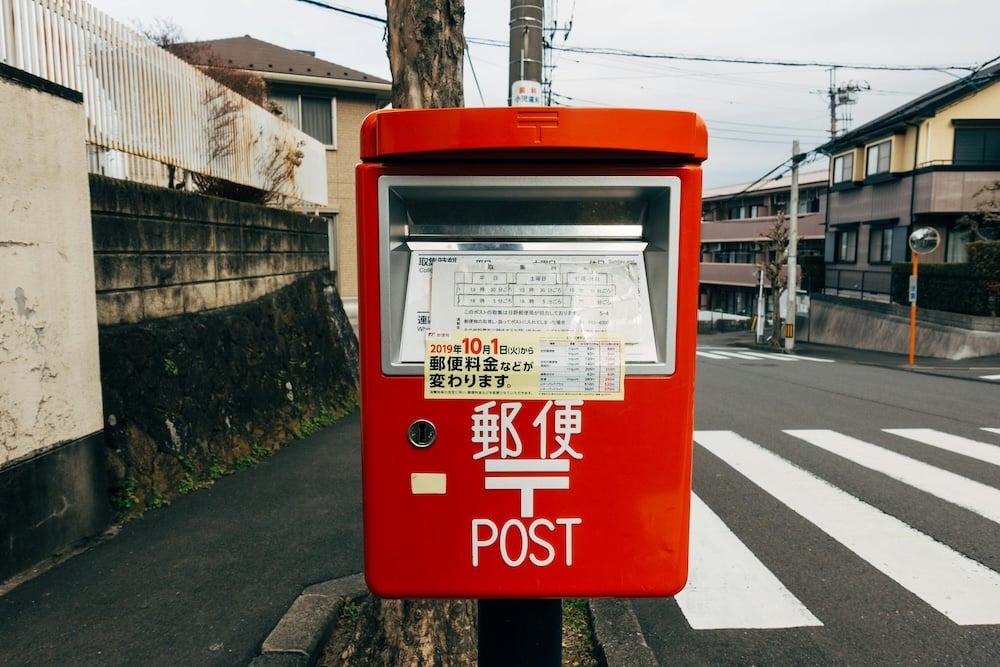
When we arrived at the post office, we thought we could just hand it over and pay the fee. But it was not that simple. The staff told us we had to open the box for inspection. Even though we had packed everything tightly, we had no choice but to cut the tape and open it up again.
They gave us a declaration form where we had to write down each item, how many of each, and a brief description. It took a lot longer than expected to fill out because there were so many different things inside.
While inspecting, the staff also explained that battery-operated items needed to be declared clearly, but they were still allowed as long as they met certain shipping rules. However, some items were completely prohibited, like perfumes that contained alcohol, and certain face masks that also had alcohol-based ingredients. Sadly, we had to remove some of the things we had packed carefully, including a small set of perfumes and a few skincare products.
It was a little stressful, having to repack everything in the post office while people lined up behind us. But the staff were patient and explained everything clearly, so we just stayed calm and followed the instructions.
Weighing, Insurance, and Shipping Options
After the inspection, they weighed the box and then they asked us if we wanted to add insurance. Since we had spent months gathering everything, and because of the value of the items inside, we decided it was better to be safe.
For basic coverage, we paid a little extra to insure the box for up to 26,000 yen. If the box got lost or damaged beyond repair, we could at least claim some of the value back. We also had to declare the estimated total value of the package contents for the insurance paperwork. We also took photos of the condition of the box as well as the contents in case we need to file for loss or damages in the future if we were to claim the full amount of the insurance.
Living in Japan: How To Start Your Online Shop in Japan
After that, we resealed the box again carefully with packing tape they provided, and the staff attached the customs labels, tracking barcode, and necessary stamps. We were also given a tracking number so we could monitor the shipment.
When it came to shipping options, they gave us two choices. We could send it via air mail, which would arrive in about two weeks but cost almost double. Or we could send it by sea mail, which would take about one month but cost much less. Since we had already spent a lot just gathering and packing everything, and we were not in a huge rush anymore, we chose sea mail.
Tracking the Shipment
At first, tracking the box was easy. We could see it move from our local post office to Tokyo’s international mail center, and then finally onto the ship. Every few days, the Japan Post tracking site updated and showed the latest location.
After about three weeks, the tracking showed that the box had arrived in Manila. We were happy to see that, thinking it would be delivered soon. My family lives in a province in the Philippines so it still required some traveling before reaching its destination. But after that, the updates stopped completely. Every day, I checked the tracking, but it just stayed the same.
It was frustrating not knowing what was happening. We worried that it might be stuck at customs or that something might have gone wrong.
Following Up with Japan Post
After waiting several weeks with no new updates, we contacted Japan Post to ask what we should do. They explained that once the package arrives in the destination country, they can no longer track or control it. It becomes the responsibility of the local postal service.
Since we had insured the box, they helped us file an inquiry and start an investigation. They also explained that sometimes packages get delayed at customs, especially during peak seasons or holidays. It did not guarantee anything, but at least we had a process in place in case the box was truly lost.
We are still waiting to see if the package will finally be delivered or if we will need to file a full insurance claim.
Considering a Balikbayan Box
If you are sending a package specifically to the Philippines, I recommend also considering using a balikbayan box service instead of Japan Post. Balikbayan box companies specialize in delivering packages to the Philippines and handle everything for you.
They usually offer fixed rates depending on the size of the box, and many companies also take photos of your box before shipping. It can be less stressful because they manage customs clearance and direct delivery. If we had sent more items, or planned even earlier, a balikbayan box might have been a better option for us.
Tips Before Sending Your Package
If you are planning to send a package overseas, here are a few tips based on our experience:
- Make a list of all the items you are putting in the box before you go to the post office. It saves a lot of time when filling out the customs form and you may no longer need to open it if you have the full list.
- Take photos of the box and the contents to ensure everything was in good condition before sending it.
- Do not bother buying anything with alcohol content, like perfumes or some skincare products, because they are likely to be rejected.
- Keep track of the actual amount you spent on the items. You will need it when declaring the total value for insurance.
- Make sure to update your family once the package is sent, so they know when to expect it and can track it too.
- Pack everything carefully, cushion fragile items properly, and use a strong, sturdy box that can survive the shipping process.
Sending a package overseas from Japan is possible, but it takes much more time, planning, and patience than you might expect. Between gathering supplies, careful packing, dealing with prohibited items, filling out customs forms, choosing the right shipping option, and then waiting, it is not something you can do in a rush.
If you plan to send items to the Philippines, it is worth considering all your options early. Whether you use Japan Post or a balikbayan box service, it is important to pack well, check all prohibited items beforehand, and insure your shipment if possible. Waiting for delivery can be stressful, but at least you know you did everything you could to make sure your package arrives safely.