
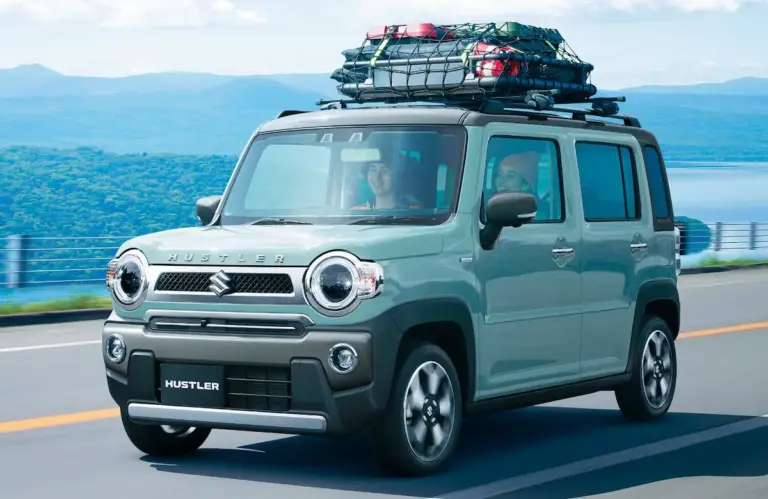
“Do I need a car in Japan?” This was one of my biggest questions before moving here from London three years ago. Back home, despite the decent public transport, I still relied on my car for weekend trips, grocery shopping, and late-night journeys. I naturally assumed I’d need the same in Japan.
Three years later, I can confidently say that not only have I not needed a car, but I’ve actually enjoyed a freedom of movement that I never experienced before—all thanks to Japan’s remarkable public transportation system.
The Railway Network: A Marvel of Modern Engineering
My first encounter with Japan’s railway system was stepping off the plane at Narita Airport and boarding the Narita Express to Tokyo. As the sleek train silently accelerated to 130 km/h, I watched the countryside transform into suburbs and eventually into the sprawling metropolis of Tokyo—all while enjoying perfect punctuality, spotless carriages, and the gentle bow of the train conductor as he checked tickets.
Living in Japan: The Charm of Japan’s Kei Cars
Japan’s rail network (鉄道網) is often called the best in the world, and for good reason. The famous Shinkansen (新幹線), or bullet train, connects major cities at speeds up to 320 km/h, making it possible to have breakfast in Tokyo and lunch in Kyoto. But it’s not just the high-speed options that impress—even local trains run with clockwork precision.
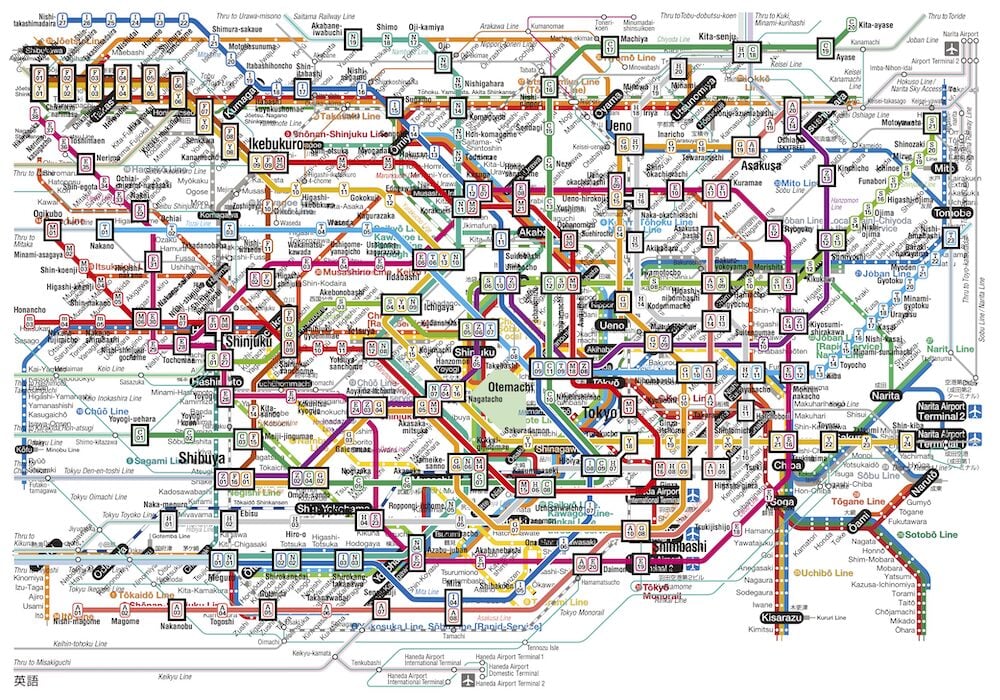
The network is so comprehensive that railways connect virtually every corner of Japan, from major metropolitan hubs to remote mountain villages. The Japan Railways Group (JR, ジェイアール, jei-āru) operates most of these lines, with six regional companies covering different parts of the country.
Living in Japan: The Fabric of Japan: Exploring the Rail Network
Punctuality You Can Set Your Watch By
“The train is running approximately one minute behind schedule. We sincerely apologise for any inconvenience caused.” I heard this announcement during my second week in Japan and looked around, confused. The Japanese passengers had expressions of mild annoyance—a delay of sixty seconds was apparently noteworthy enough to warrant a public apology!
In five years, I’ve experienced only one significant delay on a train, and that was during a typhoon when safety considerations naturally took precedence. Japan’s average delay time across all its train lines is less than one minute. For comparison, in my home country, a train arriving within five minutes of its scheduled time is considered “on time” for statistical purposes.
Beyond the Railways: A Comprehensive Transportation Ecosystem
Japan’s public transportation isn’t limited to trains. The entire system forms an interconnected web of mobility options:
City Subway and Metro Systems
Major cities like Tokyo, Osaka, and Nagoya boast extensive underground networks. The Tokyo Metro (東京メトロ) and Toei Subway (都営地下鉄) together form a labyrinth of 13 lines and 285 stations that can get you within walking distance of almost anywhere in the capital.
During rush hour, trains come every two to three minutes. Even during off-peak hours, you rarely wait more than five minutes for the next train. The stations themselves are marvels of efficiency, with clear signage in multiple languages and station staff ready to assist confused tourists like I once was.
Living in Japan: Tips for Navigating the Train System in Japan
Efficient Bus Networks
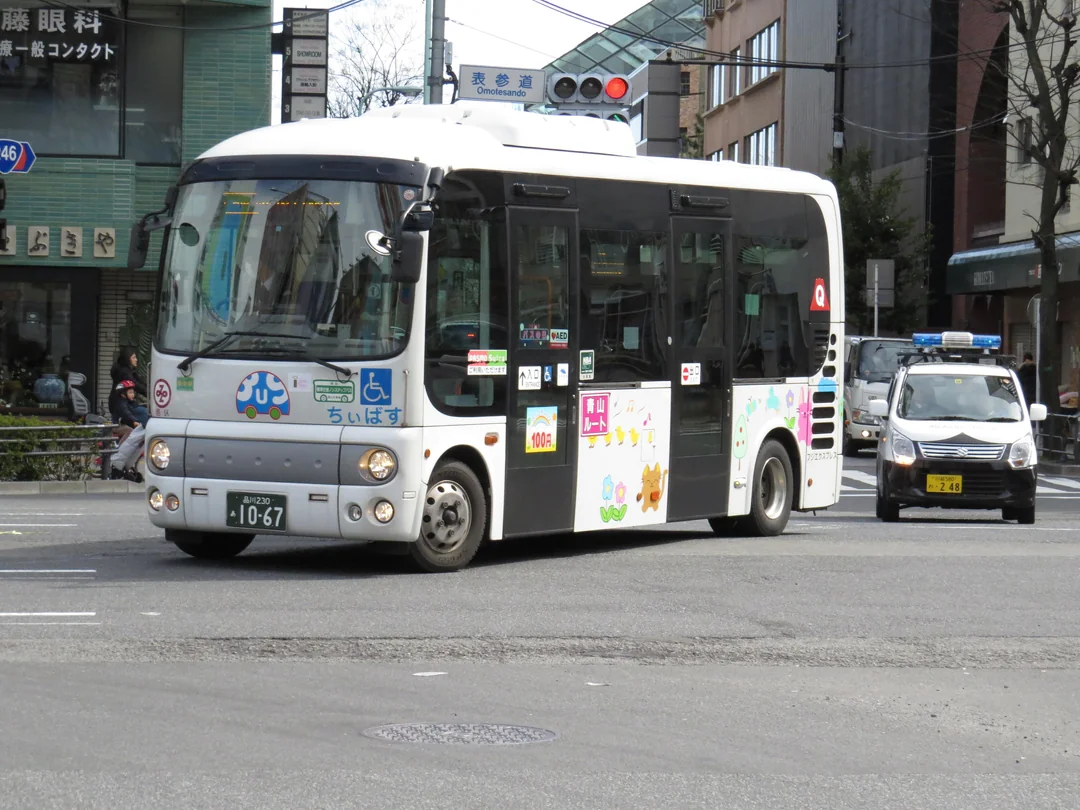
In areas where trains don’t reach, buses fill in the gaps perfectly. City buses (市バス) run on predictable schedules and cover routes that complement the rail system. In rural areas, buses ensure that even remote locations remain accessible.
I live in a smaller city now, and our local bus system has become my daily companion. The buses are impeccably clean, drivers are unfailingly polite, and the automated announcement system gives me plenty of notice before my stop—in both Japanese and English.
How to Japan: Top 8 Must-Have Apps to Make Life in Japan Easier
Taxis for the Last Mile
When all else fails, or when you’re carrying heavy luggage, Japanese taxis (タクシー) provide a convenient, albeit more expensive, option. Unlike taxis in many countries, Japanese taxis are known for their cleanliness, honest drivers, and unique features—like doors that open and close automatically!
On a rainy night last autumn, I took a taxi home from the station. The driver was wearing white gloves, the seat was covered with immaculate white cloth, and he took the most efficient route without my having to direct him. This level of service is standard, not exceptional.
The IC Card Revolution: Seamless Travel Across Systems
Perhaps the most convenient aspect of Japan’s public transportation is the integrated circuit (IC) card system. Cards like Suica (スイカ), PASMO (パスモ), and ICOCA (イコカ) function as rechargeable electronic money cards that work across multiple transportation systems and regions.
With a quick tap on the card reader, you can pass through station gates, board buses, and even pay for snacks at station kiosks or convenience stores (コンビニ). The days of fumbling for change or calculating complicated fare structures are gone—the system automatically deducts the correct fare based on your entry and exit points.
I still remember the satisfaction of tapping my Suica card on a Tokyo subway gate, transferring to a JR line, then hopping on a bus, all without purchasing a single ticket. For newcomers to Japan, getting an IC card should be one of your first priorities.
Living in Japan: How to Buy Train Tickets in Japan: A Complete Guide for Beginners
But What About Those Hard-to-Reach Places?
A common concern for potential car owners is access to places off the beaten path. While it’s true that some remote areas might be challenging to reach via public transportation alone, Japan offers solutions for these scenarios too:
Car Sharing and Rental Services
Services like Times Car Share (タイムズカーシェア) allow you to rent a car by the hour, perfect for those occasional trips to IKEA or countryside excursions. The process is remarkably straightforward—reserve online, unlock the car with your phone or member card, and pay only for the time you use.
After living here for a year, I signed up for a car-sharing service. I use it perhaps once a month for special trips, and it costs me a fraction of what owning and maintaining a car would.
Bicycle Culture
For short distances, Japan’s bicycle-friendly infrastructure makes cycling a practical option. Many train stations offer secure bicycle parking, and most neighbourhoods are designed with cyclists in mind.
I purchased a simple mamachari (ママチャリ) —a practical city bike with a basket—for about ¥10,000 (£60) during my first month here. It’s perfect for trips to the local supermarket or exploring my neighbourhood on weekends.
Living in Japan: What I Wish I Knew Before Getting a Bicycle in Japan
When Might You Actually Need a Car?
Despite all these options, there are specific situations where owning a car in Japan makes sense:
- If you live in a truly rural area with limited public transportation
- If you have small children and need to make frequent short trips
- If your work requires you to carry equipment or visit multiple locations in areas not well-served by public transport
- If you have mobility issues that make using public transportation challenging
For the vast majority of foreign residents, however, especially those living in or near urban areas, a car is an unnecessary expense.
The Financial Equation: Car Ownership vs. Public Transport
Let’s talk about costs. Car ownership in Japan comes with significant expenses:
- Parking: In urban areas, you must prove you have a designated parking space (車庫証明) before you can even register a car. Monthly parking fees in Tokyo can easily exceed ¥30,000.
- Inspections: The biennial vehicle inspection (車検) typically costs between ¥100,000-¥150,000 (£600-£900).
- Tax: Annual automobile tax varies based on engine size but averages around ¥30,000-¥50,000 (£180-£300) for typical passenger cars.
- Insurance: Mandatory insurance costs about ¥20,000 (£120) annually, while comprehensive coverage is significantly more.
- Petrol: With prices similar to Europe, fuel costs add up quickly.
By contrast, my annual transportation expenses using primarily public options amount to approximately ¥240,000 (£1,450)—including occasional taxi rides and car sharing. This is roughly one-third of what I would spend maintaining a car.
Living in Japan: Saving and Preparing for Your Future Self
Environmental and Lifestyle Benefits
Beyond the practical and financial advantages, relying on public transportation in Japan has unexpected benefits:
A Healthier Lifestyle
Without a car, I naturally walk much more than I used to. My daily commute involves a 10-minute walk to the station, stairs at transfers, and another short walk to my office—building about 40 minutes of physical activity into my day without any extra effort.
Reading Time
My 25-minute train commute has become valuable reading time. I’ve finished more books in the past three years than in the previous decade—all during time that would otherwise be spent focused on driving.
Stress Reduction
There’s no need to worry about traffic jams, aggressive drivers, or finding parking spaces. I simply check the time, head to the station, and board my train. The predictability of the system eliminates a significant source of daily stress.
Social Connection
There’s something uniquely human about sharing public spaces. I’ve had delightful conversations with elderly Japanese people on local buses, watched the changing fashions of Tokyo schoolchildren on the subway, and even made friends with regular commuters on my line.
Tips for Newcomers Navigating Japan’s Transport System
If you’re moving to Japan and planning to rely on public transportation, here are some tips to help you get started:
- Get a transit app: Applications like Japan Transit Planner, Google Maps, or the local favourite Yahoo! Transit provide accurate schedules and route planning.
- Purchase an IC card immediately: Cards like Suica or PASMO are available at major stations or downloaded to your phone, and make travel infinitely easier.
- Consider a commuter pass: If you take the same route regularly, a commuter pass (定期券) can save you significant money.
- Learn basic transit vocabulary: Understanding simple terms like “platform” (ホーム), “transfer” (乗り換え), and “exit” (出口) will make navigation smoother.
- Observe the etiquette: Japan has unwritten rules for public transport—no loud conversations, no eating on trains, priority seating for elderly or pregnant passengers, and orderly queuing on platforms.
Embracing Car-Free Life in Japan
When I tell friends back home that I don’t own a car in Japan, they often express surprise or even pity. But the truth is, I’ve never felt more mobile. The freedom to hop on a train and be in another city for dinner, to enjoy a few drinks without worrying about driving home, or to read a book during my commute instead of gripping a steering wheel in traffic—these are luxuries that car owners actually miss out on.
Japan’s public transportation system isn’t just a way to move people efficiently; it’s a reflection of the country’s values—precision, consideration for others, and ingenious problem-solving. By embracing this system, you’re not just saving money or being environmentally conscious; you’re participating in one of Japan’s greatest modern achievements.
So, do you need a car in Japan? For most people, the answer is a resounding no. And that’s not a limitation—it’s a liberation.
Living in Japan: Riding Through History: Exploring Japan’s Charming Tram Systems