
Everyone knows about Japan’s incredible food scene, pristine public transportation, and mind-blowing technology. You’ve probably heard about the cherry blossoms, the efficient work culture, and the legendary customer service. But after 3 years of living in Japan, I’ve discovered that some of the most life-changing aspects of Japanese culture are the ones that rarely make it into travel guides or Instagram posts.
These aren’t the obvious highlights that draw millions of tourists each year. Instead, they’re the subtle, everyday miracles that slowly transform how you think about everything from problem-solving to personal relationships. If you’re considering making the move to Japan, prepare to be amazed by these three unexpectedly brilliant aspects of Japanese life that will change your perspective forever.
The Art of Fixing Things Instead of Throwing Them Away
Back home, when my laptop charger frayed or my favorite mug got a crack, my immediate instinct was to head to the store for a replacement. It’s the disposable culture mentality: broken equals trash, and trash equals a trip to Target. Japan completely rewired my relationship with objects, possessions, and the concept of “broken.”
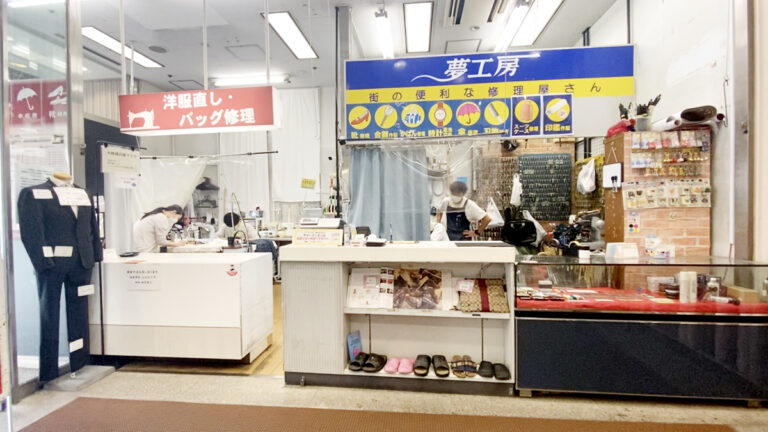
My first introduction to Japanese repair culture came when the heel of my favourite shoe started peeling away during a particularly enthusiastic night out. I was devastated, convinced I’d have to throw away shoes that had been with me through two countries and countless adventures. My Japanese colleague, Tanaka-san, looked at me like I’d suggested burning down a historic temple when I mentioned tossing them.
“Why would you throw them away?” she asked, genuinely confused. “The shoe repair shop can fix that in thirty minutes.”
That afternoon, I discovered the magical world of Japanese craftsmen who view “broken” as simply “temporarily imperfect.” The cobbler didn’t just glue my heel back on; he reinforced the entire sole, polished the leather until it gleamed, and charged me less than what I would have spent on a coffee and pastry. My shoes came back better than they’d been when I first bought them.
This philosophy extends to everything. Electronics stores have entire sections dedicated to repair services rather than just selling new products. There are specialists who can restore vintage watches, revive ancient rice cookers, and breathe new life into electronics that would be considered hopeless anywhere else. I watched a technician spend two hours meticulously cleaning and adjusting a twenty-year-old camera that its owner had brought in because “it just doesn’t feel right anymore.”
The concept of mottainai (もったいない) governs much of this mindset. It’s often translated as “what a waste,” but it’s deeper than that. It’s a sense of regret over waste, a recognition that discarding something useful is almost morally wrong. When my apartment’s rice cooker started making weird noises after two years, my landlord’s first question wasn’t “Should we buy a new one?” but “Have you taken it for maintenance?”
I learned that many Japanese appliances are designed with repair in mind. Companies actually stock replacement parts for decades-old models, and user manuals include troubleshooting sections that would make an engineer proud. The idea that something could be “unrepairable” is almost foreign here.
This mindset transformed how I approach problems in general. Instead of immediately jumping to replacement solutions, I started asking: “What if this could be fixed?” It’s amazing how often the answer is yes. My relationship with my possessions became more thoughtful, more appreciative. I started buying fewer things, but caring for them better. When something breaks now, my first feeling isn’t frustration but curiosity: “I wonder how this can be made whole again?”
The Revolutionary World of Convenience Store Culture

Before Japan, I thought convenience stores were just overpriced emergency stops for petrol station hot dogs and expired energy drinks. The corner stores back home were afterthoughts, places you grudgingly visited when everything else was closed and you desperately needed milk or batteries.
Japanese convenience stores, or konbini, are basically parallel universes where everything you didn’t know you needed is available 24/7 with a level of quality that puts most restaurants to shame. They’re not just stores; they’re life support systems that make modern urban living not just possible, but genuinely pleasant.
My first konbini revelation came at 11pm on a Tuesday when I realized I had nothing to eat and no energy to cook. At home, this would have meant sad cereal for dinner or expensive delivery food. At the Family Mart near my apartment, I discovered a world of possibilities that blew my mind. Fresh salads with actually crisp vegetables, hot fried chicken that rivaled restaurant quality, pasta dishes that looked like they’d been photographed for magazines, and rice balls with filling combinations I never could have imagined.
But the food is just the beginning. These stores are service hubs that handle everything from bill payments to package delivery to tax payments. Need to send money to your family overseas? Konbini. Want to buy concert tickets? Konbini. Need to print important documents at midnight? Konbini. I once successfully renewed my phone contract, paid my utilities, picked up a package, bought ingredients for tomorrow’s lunch, and got cash from an ATM, all in one five-minute stop.
The efficiency is mind-boggling. The staff move with choreographed precision, handling multiple customers simultaneously while keeping the hot food rotating, the shelves stocked, and the coffee fresh. I’ve watched one employee seamlessly handle a lottery ticket purchase, a bill payment, and a heated bento box order while making small talk with a regular customer about the weather.
The seasonal rotation keeps things interesting. Summer brings cold noodle dishes and frozen treats specifically designed for the humid weather. Winter introduces hot beverages that actually taste good and comfort foods that warm you from the inside out. Spring means cherry blossom-flavored everything, from KitKats to coffee drinks to elaborate desserts.
What impressed me most was how these stores became community anchors. The staff know their regular customers’ preferences, elderly people use them as social stops during daily walks, and late-shift workers rely on them as oases of normalcy during odd hours. They’re not just convenient; they’re comforting, reliable constants in the urban landscape.
The konbini culture taught me that convenience doesn’t have to mean compromising on quality. It’s possible to have systems that are both efficient and thoughtful, fast and personal. Now, when I’m back home and need something at 2am, I feel genuinely frustrated that my only options are terrible petrol station snacks or nothing at all.
The Subtle Magic of Seasonal Everything

I thought I understood seasons before moving to Japan. Summer meant beaches and barbecues, fall meant pretty leaves, winter meant snow and holidays, spring meant flowers blooming. Seasons were background changes, pleasant but not particularly meaningful to daily life beyond choosing appropriate clothing.
Japan elevated my relationship with seasonal change from casual awareness to deep anticipation. Here, seasons aren’t just weather patterns; they’re cultural events, philosophical frameworks, and organizing principles for how you live your life.
It started with the food. Every restaurant, every convenience store, every cafe reorganizes their entire menu with each seasonal transition. This isn’t just adding pumpkin spice to coffee in October. This is a complete reimagining of what food should be based on what your body needs, what ingredients are at their peak, and what flavors match the emotional tone of the current season.
Summer menus focus on cooling foods: cold soba noodles, refreshing cucumber dishes, light seafood preparations that won’t weigh you down in the humid heat. Fall brings warming spices, heartier root vegetables, and comfort foods that prepare you for colder months. Winter features hot pot dishes, warming teas, and rich broths that seem designed to fight off seasonal depression. Spring celebrates renewal with fresh vegetables, delicate flavors, and ingredients that make you feel like you’re waking up from hibernation.
But it goes beyond food. Department stores completely redecorate with each season, not just window displays but entire floor layouts. Clothing stores don’t just swap out summer and winter collections; they embrace micro-seasons, offering specific pieces for the rainy season, the typhoon season, the cherry blossom viewing season. Even office buildings change their lobby decorations to reflect seasonal transitions.
The most surprising part was how this affected my own rhythms and expectations. I found myself looking forward to seasonal changes in ways I never had before. The first appearance of cherry blossom-themed products in February became a personal holiday, signaling that winter was finally ending. The switch from cold to hot coffee drinks at my local cafe marked summer’s true arrival better than any calendar date.
Traditional seasonal festivals gave structure to the year beyond just work and vacation schedules. Tanabata in July, Obon in August, autumn moon viewing festivals, winter illuminations. Each season brought its own set of cultural touchstones that made time feel richer, more textured, more intentional.
I started planning my life around these seasonal rhythms. Instead of just enduring winter, I began anticipating winter foods, winter activities, winter aesthetics. Spring wasn’t just relief from cold weather; it became a season of specific pleasures and traditions. Summer heat became tolerable when I focused on summer-specific experiences: festivals, fireworks, special seasonal treats that would disappear by September.
This seasonal mindfulness taught me to pay attention to subtle changes that I’d previously ignored. I started noticing the exact day when morning air shifted from summer warmth to autumn crispness. I could sense when winter was truly ending based on changes in light quality, not just temperature. These weren’t just observations; they became moments of genuine pleasure and connection to the natural world.
The Japanese approach to seasons taught me that time doesn’t have to be a uniform progression of identical days. Instead, each period of the year can have its own character, its own pleasures, its own reasons for anticipation. Life became less monotonous and more cyclical, with built-in reasons to appreciate the present moment and look forward to what’s coming next.
The Ripple Effects of Unexpected Excellence
These 3 aspects of Japanese culture might seem unrelated, but they’re all connected by a common thread: the belief that ordinary things can and should be extraordinary. Whether it’s repairing objects, running convenience stores, or celebrating seasons, Japan approaches everyday experiences with a level of thoughtfulness and intention that transforms the mundane into the meaningful.
Living in Japan taught me that excellence isn’t just about grand gestures or impressive achievements. It’s about bringing care and attention to small things, finding ways to make daily routines more pleasant, and recognizing that how you do anything affects how you experience everything.
The repair culture showed me that problems are often opportunities in disguise. The convenience store experience proved that efficiency and quality aren’t mutually exclusive. The seasonal approach to life demonstrated that paying attention to natural rhythms can make time feel richer and more purposeful.
These lessons followed me everywhere. I started approaching challenges at work with a “how can this be fixed?” mentality rather than immediately seeking replacements. I began expecting higher standards from everyday services and supporting businesses that prioritized quality over mere convenience. I developed appreciation for seasonal changes and started planning activities around natural cycles rather than just calendar obligations.
Why These Hidden Gems Matter
If you’re considering moving to Japan, you’ll probably spend time researching the famous attractions and well-known cultural differences. But these unexpected excellencies might be what actually improve your daily quality of life. They’re the things that will make ordinary Tuesday afternoons feel special, that will change how you think about consumption and waste, that will give you new reasons to appreciate the passage of time.
The beautiful thing about these cultural elements is that they’re accessible to everyone. You don’t need special permits to experience convenience store culture, you don’t need a guide to appreciate seasonal changes, and you don’t need to be wealthy to benefit from repair-oriented thinking. They’re democratic pleasures, available to anyone willing to notice and appreciate them.
Japan has a gift for taking concepts that seem simple and revealing their hidden depths. What looks like just fixing things, running stores, or following seasons turns out to be philosophies about sustainability, service, and mindfulness. Moving to Japan doesn’t just give you access to a new country; it gives you new ways of thinking about how life can be lived with more intention, more appreciation, and more joy in the everyday moments that make up the majority of our existence.
These unexpected treasures are waiting for you, hiding in plain sight, ready to transform your understanding of what ordinary life can be when it’s approached with extraordinary care.