
Owning a bicycle in Japan seems like a simple and practical decision. It gives you freedom from crowded trains, helps you stay active, and makes short errands or commutes much easier. But as convenient as it sounds, having a bike here comes with a unique set of rules, costs, and expectations that can easily take you by surprise.
From city regulations to rainy season realities, here are the things I wish I had known before buying a bicycle in Japan.
1. Bicycle Registration is Required—No Exceptions
Every bicycle in Japan must be registered under its owner through the jitensha bouhan touroku system. This anti-theft registration is mandatory, even for used bikes. When buying from a store, the staff will usually take care of this for you, and the process only takes a few minutes. You’ll receive a bright yellow or orange sticker on the frame with a registration number.
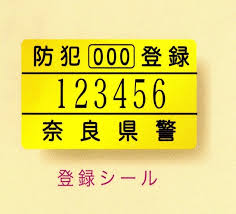
Buying a secondhand bike is a bit trickier than buying a brand new one. The original owner must provide a transfer of ownership form or proof of deregistration. Without it, your new purchase may be considered suspicious if police stop you for a routine check. It’s not uncommon for officers to scan the frame’s registration and ask for ID, especially if you’re riding at night or parked in a busy area.
2. Bicycle Parking Isn’t Free Everywhere
In most Japanese cities, parking your bicycle comes at a price, especially near train stations and shopping centers. Designated bicycle lots are clearly marked with blue signs or racks and are often managed by the city or private companies. Some are free for the first couple of hours, but regular users should expect to pay monthly.
For example, parking in Chiba Prefecture typically ranges from 2,500 to 3,000 yen per month. In Ibaraki, fees can be cheaper, sometimes around 1,000 to 1,500 yen depending on the location and whether it’s uncovered or further from the station. These lots often have automated locking systems that use IC cards or QR codes to track your usage.
Improper parking can lead to your bicycle being impounded. Bikes left outside supermarkets, stations, or along narrow sidewalks are at risk of being towed. Once impounded, you’ll need to visit the local bicycle center, present your ID and registration, and pay a fine that is usually around 2,500 yen to get it back.
3. Rainy Season Makes Everything More Complicated
Riding a bicycle during tsuyu, Japan’s rainy season, can be an entirely different experience. Slick roads, weak brakes, and poor visibility all make cycling more difficult. Arriving soaked isn’t just uncomfortable—it can affect your day.
Fortunately, there are plenty of accessories designed to help. Umbrella holders that attach to handlebars are available in most home centers or bike shops, though they aren’t legal in all areas. A more reliable option is a rain poncho that covers both you and the handlebars. Some people also use clear plastic visors that shield their faces and attach securely to the helmet or hood. Handlebar covers, water-resistant seat protectors, and even full rain suits are available for daily commuters.
Baskets often come with optional plastic covers to keep your belongings dry. These small investments can make a big difference during the wettest weeks of the year.
4. Regular Maintenance is Essential
Bicycles in Japan are built for daily use, but they still require regular attention. Flat tires, loose brakes, and rusted chains are common occurrences if not maintained. Many convenience stores, home centers, or malls have affiliated bike repair shops that offer quick and affordable maintenance.
Basic services like air filling, brake tightening, and chain oiling cost between 500 and 1,500 yen depending on the issue. Some stations offer free public air pumps near bicycle lots, which are handy for quick checks before commuting. It’s also worth learning how to spot early signs of wear, especially if you rely on your bicycle for daily travel.
5. Riding Rules Change by Area
Bicycle laws in Japan are surprisingly detailed, and enforcement varies depending on the city. The general rule is to ride on the left side of the road, with the flow of traffic. However, many areas allow sidewalk cycling if there are signs indicating a shared pedestrian and bicycle path.
Sidewalk riding is common in residential areas and among older cyclists, but riders are expected to move slowly and give way to pedestrians. In commercial zones, bicycles may be restricted to the road only, especially near shopping arcades or crowded crossings.
Not every neighborhood has English signage, so watching what locals do and looking out for blue road signs with bike symbols can help you stay within the rules.
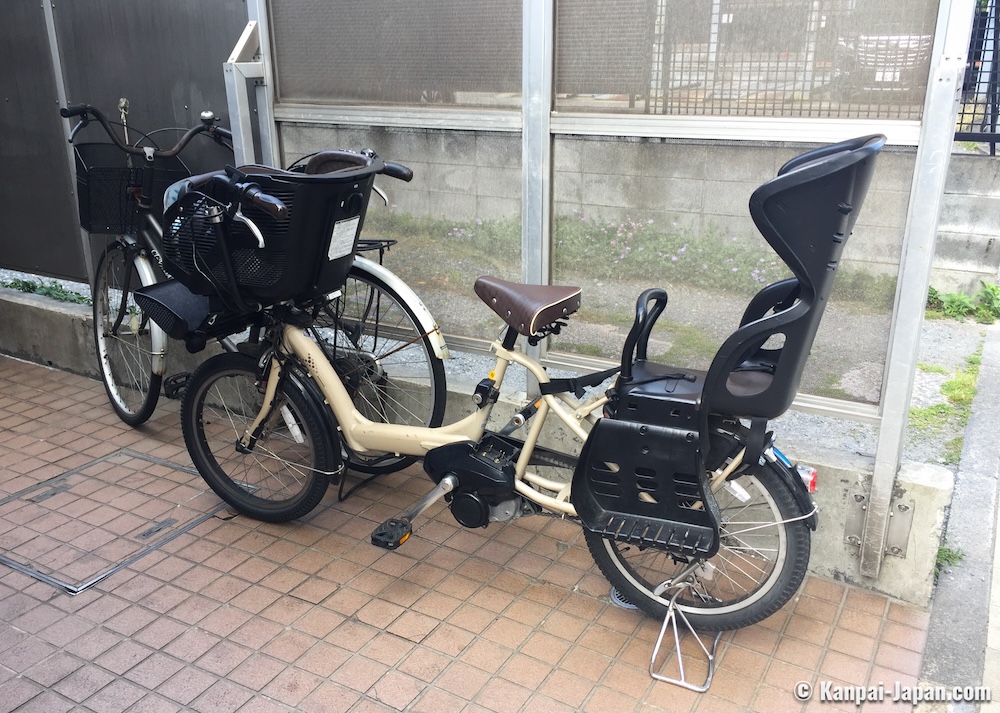
6. Electric Bicycles Offer Comfort, But at a Cost
Electric-assisted bikes, or denki jitensha, are popular among parents, commuters, and older adults. They’re ideal for hilly neighborhoods or longer commutes, providing pedal support that makes riding almost effortless. Some models come with built-in child seats, cargo racks, or weather-resistant parts.
The main downside is the price. Entry-level models start around 80,000 yen, while higher-end versions with extra features can go well beyond 150,000 yen. Charging the battery takes several hours, and storage can be tricky in apartment buildings without elevators.
Some municipalities offer subsidies for electric bikes, especially for parents commuting with children or those switching from car use to more eco-friendly transport.
7. A Basket is More Useful Than You Think
Bicycles in Japan often come with front or rear baskets by default, and while they may not be stylish, they’re incredibly practical. Whether you’re picking up groceries, carrying work supplies, or transporting a bento lunch, a sturdy basket makes the ride smoother.
Overloading can be an issue. Items like heavy canned goods or water bottles can throw off your balance and make turns unstable.
Lightweight shopping bags or foldable crates help keep things balanced and secure. For frequent errand runs, rear baskets or side panniers provide better weight distribution.
Should You Get a Bicycle?
Getting a bicycle in Japan opens up a new layer of daily convenience, but it also introduces responsibilities that most newcomers don’t expect. From legal registration to seasonal gear, biking in Japan is less about spontaneous rides and more about adapting to local systems.
Once you’re familiar with the regulations, invested in a few key accessories, and aware of your local area’s rules, riding becomes a rewarding and reliable part of everyday life. It saves time, avoids train delays, and allows you to experience Japanese neighborhoods in a more personal way. Just be ready for the small challenges that come with those first few rides.