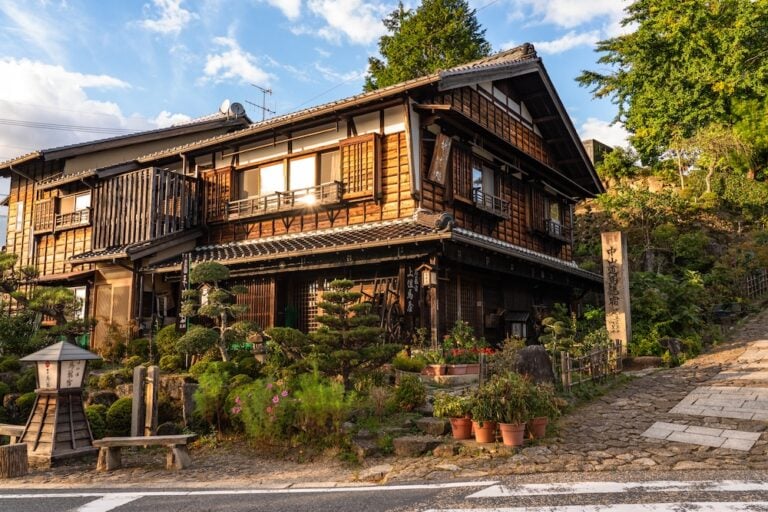
When we finalized our move to an old rental house in a quiet inaka area in Chiba, I was over the moon. It was the biggest place either of us had ever lived in since moving to Japan. The layout was spacious, we had a yard, and for once, we wouldn’t be hearing the footsteps of our upstairs neighbor or squeezing our lives into one tiny corner of a 1K apartment. I was already imagining slow mornings with open windows, potted plants on a sunlit balcony, and maybe even hosting friends over for dinner. It felt like a dream.
And while living there did bring a lot of peace, it also brought a ton of surprises. We were not prepared for the quirks, the maintenance, or the everyday realities of living in an old Japanese house. Here’s what I’ve learned so far.
1. Insulation Is Basically Nonexistent
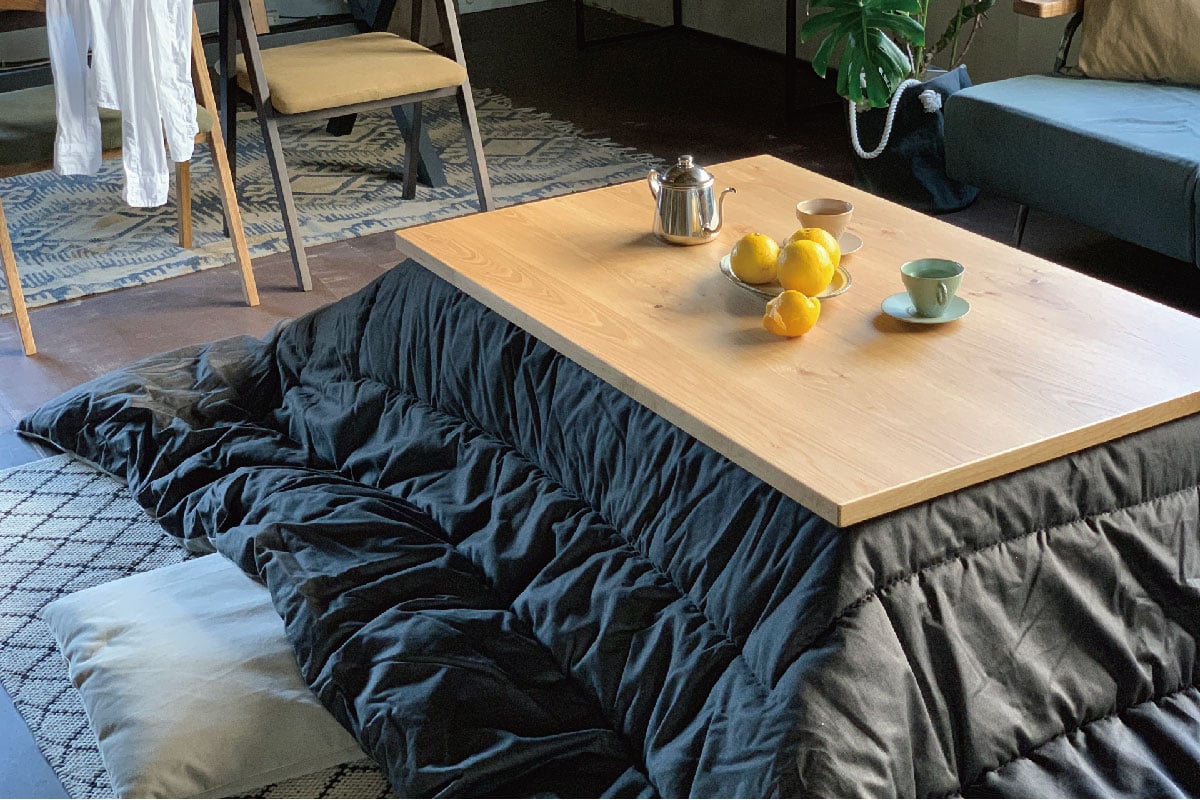
The biggest shock came with the seasons. Winter hit like a slap in the face. I thought we were prepared! We had heaters, thermal clothes, fuzzy socks, and even bought a kotatsu table so we can keep our legs warm in the dead of winter. But I didn’t realize how much cold air can enter a house when there’s almost no insulation. Even with our strongest heater on, the room barely warmed up. I could see my breath indoors, and my hands would go numb while washing dishes. I would spend a lot of time in the kitchen cooking or heating up water to create enough warmth and steam enough to keep us comfortable.
Summer wasn’t much better. We were excited to use the yard and leave the windows open, but the house turned into an oven. The walls absorbed the heat, and even with the air conditioner blasting all day, the rooms stayed hot and humid. One month, our electricity bill jumped to nearly 30,000 yen because we had the AC running non-stop just to stay somewhat comfortable.
We eventually invested in blackout curtains with thermal insulation, added window film to reduce drafts, and door stoppers to block the constant breeze sneaking in. These helped, but nothing fully fixed the issue. You learn to adapt, wear more layers inside, and always keep a blanket nearby.
Also, let’s not forget about the dreaded mosquitoes, especially as we lived next to a rice paddy in rural Chiba.
2. You Will Be Part of the Community
When you live in an apartment, you can usually go for months without knowing your neighbors. That changes fast when you move into a close-knit neighborhood with detached houses. People see you taking out the trash, hanging laundry, and returning home with groceries.
Our neighborhood is mostly older folks, and they would often wave and talk with us while walking their dog or doing their morning jog. We were handed pamphlets for community cleanup days, invited to donate to the local festival, and given a neighborhood map that showed exactly where to put out each kind of trash. Everything was written in Japanese, of course, so there was a lot of Google Translate and guessing involved.
We now pay an annual community fee and follow the rotating trash duty schedule. It’s not a bad thing and in fact, it makes the place feel more like home — but it’s definitely a shift from our old anonymous life in the apartment.
3. If You Have a Yard, Be Ready to Become a Gardener
I always thought having a yard would be relaxing. And yes, sometimes it is. We’ve grown flowers, put out lawn chairs and even a temporary porch, and a bit of landscaping with an awning. But no one warned me about the weeds. In winter, everything is dead and peaceful. In spring and summer, the grass and weeds grow fast. Like, jungle-level fast.
We had to buy tools such as a sickle, hedge clippers, gloves, a rake and set aside weekends to trim and clean. If we skipped just one weekend, the yard would start looking wild again. The worst part is that I had hay fever so sometimes cleaning would mean sneezing and itching for the rest of the day while my husband’s allergies would flare up.
But at the same time, there’s something grounding about tending to a yard. It’s work, but you see the results immediately. And when it’s clean, it really does feel like your own little space.
4. Earthquakes Are More Terrifying
Japan has earthquakes, of course, we all know that. But feeling one in an old house is different. The house sways more, the wood creaks loudly, and it honestly sounds like something out of a horror movie. Even small quakes feel amplified when the house isn’t built with modern reinforcements.
Our first big shake caught us totally off guard. The walls literally groaned, and for a second I wondered if the roof was going to collapse. After that, we anchored the shelves, bought anti-slip mats for our cabinets, and put together an emergency bag with essentials or a bosai bag. Another thing is that our living room is right below an attic! Which makes it worse when it rains or get really windy.
It’s not to say old houses are unsafe, but they’re often not up to current codes — and that’s something to keep in mind if you’re considering one.
5. You Will Be Tempted to Buy More Furniture
When you suddenly have space, it’s easy to feel like you need to fill it. We were so used to apartment life that when we saw how many empty rooms we had, we immediately went out and bought more things. Sofas, a loveseat, a side table, a new cabinet, a shoe rack, a second dining table — it all added up fast!
At first, it felt great. It made the house feel “complete.” But now, we’re already dreading the idea of moving out. What will we do with all this stuff? Some of it is bulky, and in Japan, throwing away large items can be expensive and complicated.
If I could do it over again, I’d go slower and buy only what we actually needed instead of impulsive buying and amazon parcel shipping every day. Empty rooms aren’t the enemy. You can always add later.
6. More Space Means More Cleaning
It sounds like a blessing to have more room and in many ways, it is… But it also means more cleaning! Our old apartment took 30 minutes to clean top to bottom. This house takes hours. Dust gathers faster, floors need to be swept more often, and because we have a yard, we constantly track in dirt and leaves especially because we have pets.
The bathroom and kitchen are also older, so they need more attention. Mold loves to grow in the damp corners, and the sink drains slower than usual. Cleaning has become a weekly project instead of a quick chore.
7. Be Extra Careful with Shoji Doors
We have beautiful traditional sliding doors made of wood and paper, but they’re extremely fragile. Our cat tore through two of them just by jumping, and once I accidentally elbowed one while carrying laundry and it ripped clean through. We’ve had to patch and replace them multiple times.
If you’re clumsy or have pets, consider switching to sturdier sliding doors or installing a plastic film to reinforce the paper. It saves time, money, and stress.
8. It Can Get a Little Creepy at Night
I didn’t think I’d be affected by this, but I’ll admit that… old houses can feel a little haunted at times… The wood creaks. The wind rattles the windows. Sometimes you hear footsteps upstairs even though no one’s there. It’s probably just the house settling or neighborhood cats, but it gets eerie, especially in winter. Good thing I have my cat with me to keep my company when I am alone at home.
I started leaving a genkan light on at night and that helped. Some nights I play soft background music or ocean sounds with my Alexa to avoid being spooked by every noise. Maybe it’s silly, but it worked.
Final Thoughts
Living in an old Japanese house has been one of the most interesting and unexpectedly challenging experiences I’ve had. It’s peaceful, it’s spacious, and it gives you that real “life in Japan” feeling you just don’t get in apartments. But it also comes with maintenance, community expectations, and moments where you wonder why the heater is on but you’re still cold.