
“Are tattoos allowed in gyms, pools, or public baths in Japan?” As someone with a tattoo who moved to Nagasaki five years ago, this question dominated my pre-departure anxieties. I’d heard countless stories about blanket bans on tattoos in Japanese bathing facilities and worried my ink might severely limit my experiences in my new home.
Today, as I relax in the steaming waters of my neighbourhood bathhouse, those concerns feel distant. While navigating Japan with tattoos does require some awareness, what I’ve discovered is a country in fascinating transition—one that honours its cultural heritage while increasingly embracing global perspectives. Far from the rigid rejection I feared, I’ve found a nuanced, evolving approach to tattoo acceptance that reflects Japan’s remarkable ability to balance tradition and change.
The Cultural Context: Understanding Rather Than Judging
To appreciate Japan’s relationship with tattoos, it helps to understand the historical context. Traditional Japanese tattooing (刺青) has existed for centuries as a sophisticated art form. However, tattoos became associated with criminal organisations (やくざ, yakuza) during the Edo period, leading to widespread social stigma that persisted into the modern era.

This association—rather than any inherent prejudice against body art—explains why many Japanese bathing facilities have traditionally maintained tattoo restrictions. It’s not about judging foreign visitors or artistic expression, but about preserving spaces where Japanese families can feel comfortable.
What’s remarkable about contemporary Japan is how thoughtfully the country is navigating this cultural legacy while adapting to internationalisation. Rather than clinging rigidly to old norms or abandoning them entirely, Japan is finding a balance that respects both tradition and diversity—an approach I’ve come to deeply admire.
The Changing Landscape: Good News for Tattooed Visitors
The most encouraging development for tattooed visitors is how rapidly policies are evolving, particularly in major cities and tourist areas. With Japan welcoming increasing numbers of international visitors, many establishments have revised their tattoo policies to be more inclusive.
Public Pools and Gyms: Increasingly Flexible
Large gym chains and public sports facilities have been among the quickest to adapt. During my apartment search, I deliberately chose a neighbourhood with a municipal gym, assuming it would be more restrictive, only to discover their policy had recently changed to allow covered tattoos.
At my local ward gym (区営ジム), the rule is simple: smaller tattoos need not be covered, while larger pieces should be concealed with athletic wear or special covering sleeves. What impressed me was how the staff explained the policy—not with judgment or suspicion, but with the same courteous respect they show to all patrons.
Private fitness chains vary in their approaches:
- Konami Sports Clubs now generally allow covered tattoos in most locations
- Anytime Fitness and Gold’s Gym tend to be among the most tattoo-friendly options
- Tipness has relaxed policies in many urban locations
Even when covering is required, I’ve found that wearing athletic compression sleeves, rash guards, or purpose-made tattoo covers (タトゥーカバー, tatū kabā) provides a simple solution. These are widely available in sporting goods shops or online retailers in Japan.
Public Baths (Sentō): Community Spaces with Local Character
Public bathhouses (銭湯) reflect the delightful diversity of Japanese neighbourhoods. Rather than a uniform national policy, each establishment sets its own rules, creating a varied landscape that rewards exploration.
In Tokyo’s more international wards like Shibuya, Shinjuku, and Minato, I’ve found numerous sentō that welcome tattooed bathers or apply rules with flexibility. Some have specific hours for tattooed visitors, while others merely request discretion during peak family times.
What makes these experiences special isn’t just the bathing itself, but the window into authentic Japanese community life. At my favourite local bathhouse, the owner—initially hesitant about my half-sleeve—now greets me by name and occasionally practices his English. These interactions reflect what I’ve come to cherish about Japan: initial caution often gives way to genuine connection once mutual respect is established.
Hot Springs (Onsen): From Restriction to Accommodation
Traditional hot springs (温泉) have historically maintained the strictest tattoo policies, particularly at older, more traditional establishments. However, even this segment is evolving rapidly, with multiple pathways for tattooed visitors to enjoy this quintessential Japanese experience:
1. Private Onsen Experiences
Many ryokan (traditional inns) and onsen resorts now offer private bath reservations (貸切風呂), allowing guests to experience authentic hot springs without navigating public bathing protocols. These range from economical hourly rentals to luxurious in-suite baths.
During a weekend trip to Hakone, my partner and I booked a traditional ryokan with private onsen facilities. Soaking in volcanic waters beneath the stars, with Mount Fuji visible in the distance, remains one of my most treasured Japanese memories—tattoos being entirely irrelevant to the experience.
2. Tattoo-Friendly Onsen Directories
An encouraging development is the emergence of online resources specifically cataloguing tattoo-friendly bathing facilities. Websites like “Tattoo-Friendly Japan” and apps that filter onsen by tattoo policies have transformed the experience of travelling with body art, turning what was once a potential source of anxiety into an adventure of discovery.
Using these resources, I’ve found magical, tattoo-friendly hot springs in unexpected places—from a historic bath in a small Tohoku village to a sleek modern facility in Kyushu. Each visit deepens my appreciation for Japan’s diverse bathing culture.
3. Foreign-Friendly Resort Areas
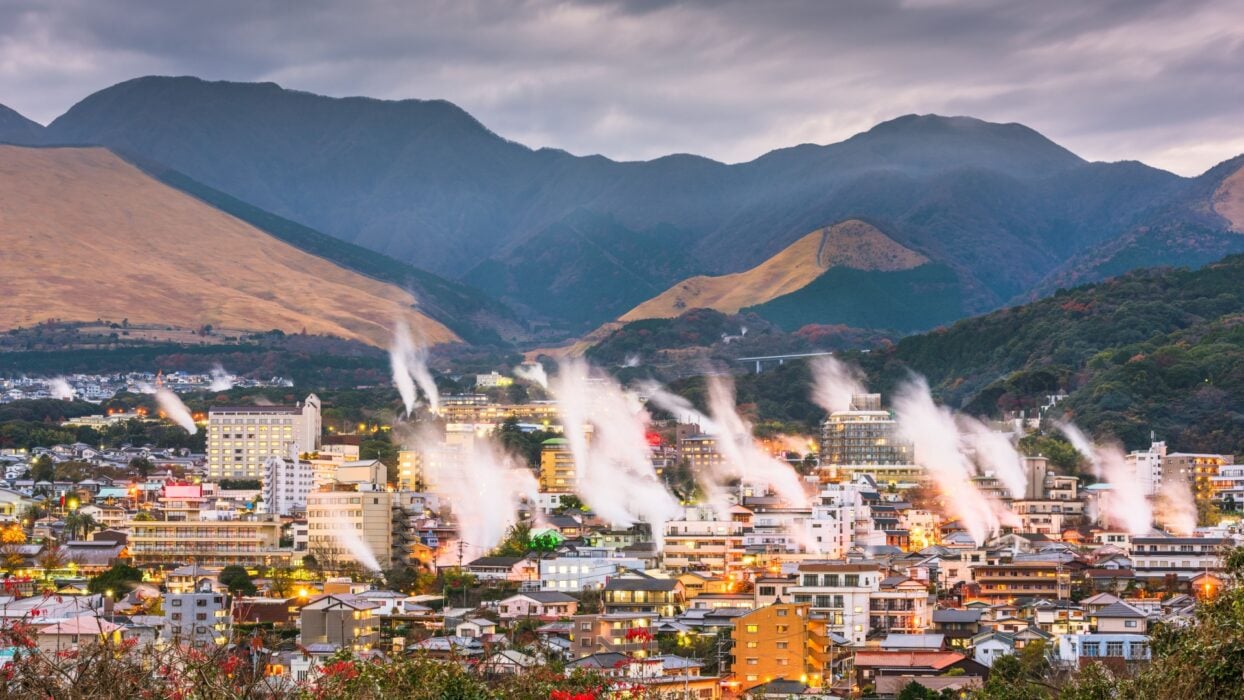
Tourist-oriented onsen destinations like parts of Hakone, Beppu, and Kusatsu have been particularly progressive in updating policies to accommodate international visitors. Major hotel chains with onsen facilities, such as Hoshino Resorts, have introduced more inclusive approaches at many properties, recognising the importance of making this cultural treasure accessible to global travellers.
Etiquette and Respect: The Key to Positive Experiences
What has struck me most about navigating Japan with tattoos isn’t the restrictions, but how a respectful approach nearly always opens doors. Japanese culture places tremendous value on consideration for others and social harmony (和, wa), principles that apply to everyone regardless of national origin or appearance.
Practical Tips for Tattooed Visitors
Based on my experiences, here are some approaches that have consistently worked well:
1. Research in Advance
Before visiting a specific facility, check their website or call ahead to confirm current policies. Many establishments now list tattoo guidelines in multiple languages, and larger facilities often have English-speaking staff who can explain options.
2. Be Prepared to Cover
I keep a lightweight athletic sleeve and rash guard in my gym bag at all times. These simple items have allowed me access to countless facilities that might otherwise be off-limits. In winter, these layers serve double duty by keeping me warm in chilly changing areas!
3. Consider Timing
Many facilities are more flexible during weekday daytime hours when they’re less crowded. My local public pool, which technically requires tattoo covering, is notably more relaxed during quiet weekday mornings than bustling weekend afternoons.
4. Private Options
For special occasions like introducing visiting friends to onsen culture, I often book private baths. These not only eliminate tattoo concerns but also provide a more relaxed introduction for those new to communal bathing traditions.
5. Ask with Respect
When in doubt, a polite inquiry goes remarkably far. Japanese hospitality culture (おもてなし) is legendary for a reason, and staff will often go out of their way to accommodate guests who approach with courtesy and cultural sensitivity.
The Language of Consideration
Learning a few key Japanese phrases can transform potentially awkward situations:
- タトゥーがありますが、大丈夫ですか – I have tattoos, is that okay?
- 隠すことができます – I can cover them
- おすすめの時間はありますか? – Is there a recommended time (to visit)?
Each time I use these phrases, they’re met with appreciation for the effort to communicate respectfully, often leading to helpful suggestions rather than simple rejections.
The Refreshing Perspective I’ve Gained
Living in Japan with tattoos has given me an unexpected gift: a deeper appreciation for how societies can navigate cultural change with grace. Rather than experiencing tattoo policies as rigid restrictions, I’ve come to see them as reflections of a society thoughtfully balancing tradition with globalisation.
What impresses me most is how Japan has maintained its unique cultural identity while gradually adapting to international norms—not through abrupt policy mandates, but through organic, community-by-community evolution. This approach preserves authentic Japanese experiences while increasingly accommodating diverse visitors.
The Tokyo 2020 Olympics (held in 2021) marked a significant acceleration in this evolution, with many facilities updating policies to welcome international athletes and spectators. This momentum has continued, with each passing year bringing more options for tattooed residents and visitors.
Finding Beauty in Cultural Navigation
Perhaps most importantly, navigating Japan with tattoos has taught me to appreciate rather than resist cultural differences. The minor adjustments I make—covering up at certain facilities, seeking out tattoo-friendly options at others—have become not inconveniences but opportunities to engage more deeply with Japanese social norms.
This perspective has enriched my experience immeasurably. Rather than focusing on limitations, I’ve discovered a country filled with possibilities, where traditional and contemporary sensibilities coexist in fascinating harmony.
On a recent visit to a historic onsen town, I chatted with an elderly proprietor who had recently changed his facility’s decades-old tattoo ban. “Times change,” he told me in deliberate English, “but onsen feeling stays same. Everyone welcome to healing waters.”
That sentiment captures what I’ve come to love about Japan: its remarkable ability to honour tradition while embracing change, creating a society that feels simultaneously timeless and thoroughly contemporary.
The Practical Reality for Newcomers
If you’re planning to move to Japan and concerned about tattoo restrictions, here’s my reassuring conclusion: with minimal preparation and a respectful attitude, tattoos present very few meaningful limitations to enjoying all that this amazing country has to offer.
In major cities like Tokyo, Osaka, and Fukuoka, you’ll find numerous tattoo-friendly options for every type of facility. Even in more traditional areas, private options and increasingly flexible policies ensure accessible alternatives.
The Japan I’ve experienced isn’t the rigid, restriction-heavy country sometimes portrayed in outdated travel guides, but a dynamic society thoughtfully engaging with global influences while preserving its cultural essence. This balanced approach—respecting tradition while embracing diversity—is something many other countries could learn from.
So pack your swimsuit, your tattoo sleeves if you have them, and an open mind. The steaming waters of Japan’s bathing culture await, increasingly accessible to all who approach with respect and cultural appreciation.