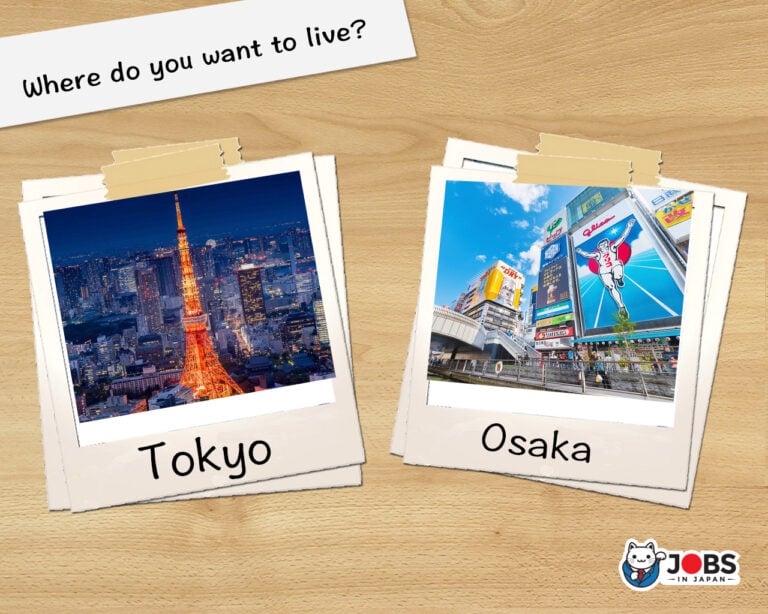
Tokyo and Osaka stand out as the two main hub cities of Japan and many people looking to move to the country from abroad often find themselves trying to decide which of the two cities to live in. Both cities are very different from one another and each offers their own advantages and disadvantages. In this article, we will compare these cities head-to-head as places to live as a foreigner, looking at the advantages and disadvantages of each.
Overview and Size
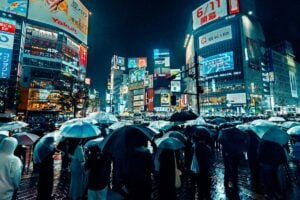
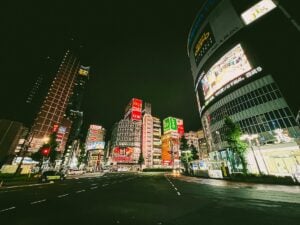
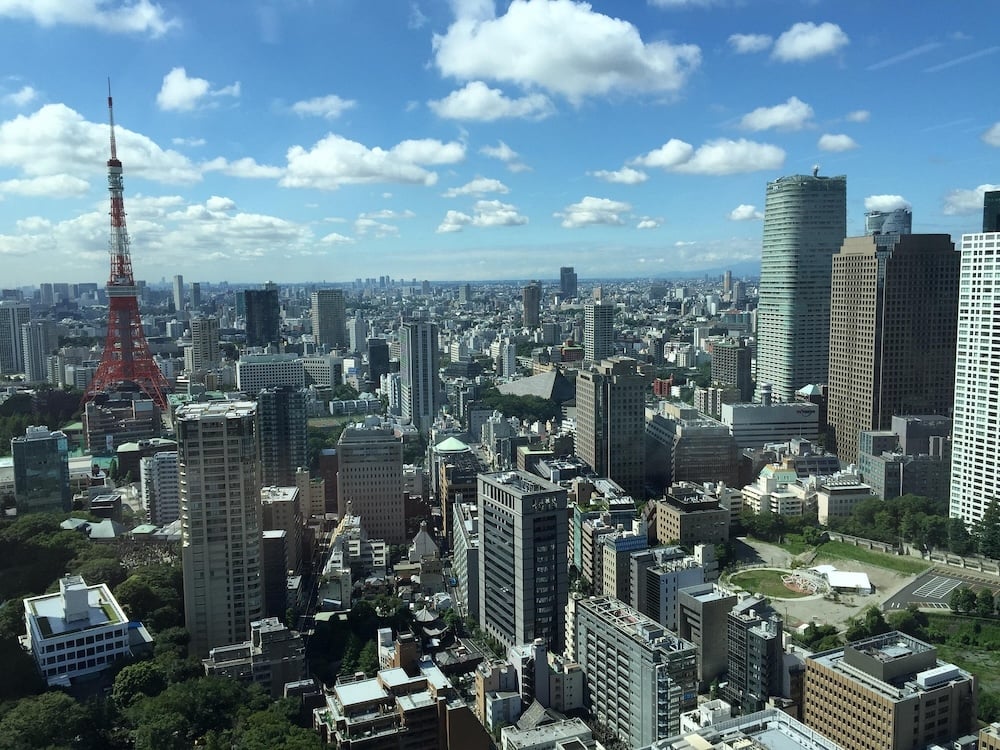
There is no getting around the fact that Tokyo is substantially bigger than Osaka. With a population of around 14.2 million within its 23 wards, or 33.4 million for the entire Tokyo metropolitan area (which includes Japan’s second largest city Yokohama), Tokyo is considered one of the largest cities in the world. Japan’s capital is a vibrant, international city, home to many major corporations and the center of the country’s modern-day culture. When people think of Japan, Tokyo is almost always the first place that comes to mind. When international brands or stores launch in Japan, Tokyo tends to be the first place they go.
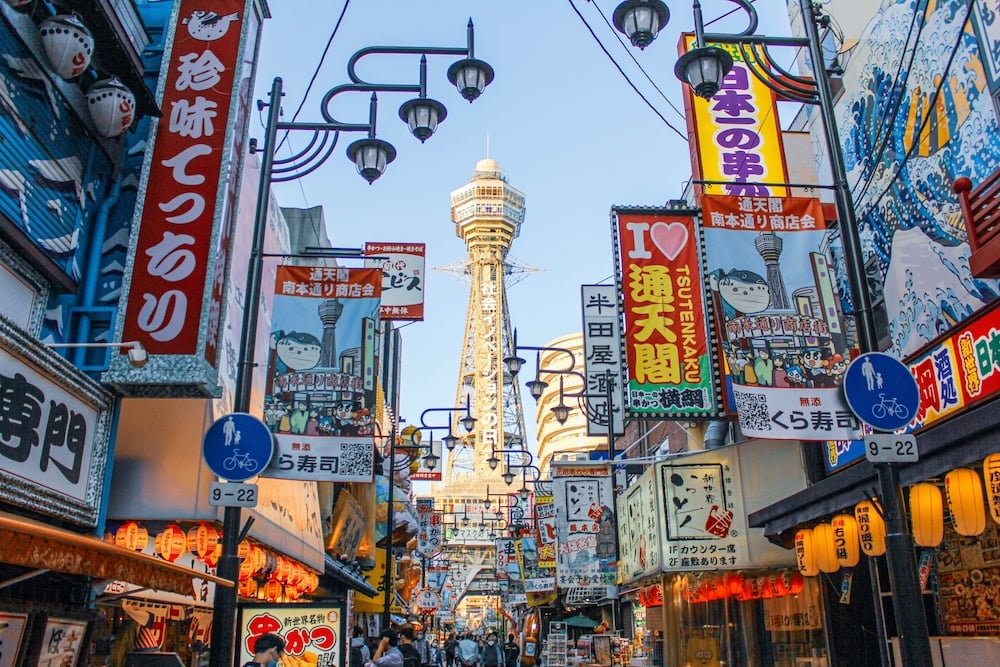
Almost as famous as the capital, Osaka is Japan’s third largest city and is made up of 24 wards with a total population of 2.8 million people. Even taking into account all of Osaka prefecture’s numerous other cities and towns, the total prefectural population stands at around 8 million people making it considerably smaller than Tokyo. Osaka is part of what’s known as the Keihanshin Metropolitan Area which includes the cities of Kyoto and Kobe. This sometimes leads to its population figures being inflated in some Western sources; however, this metric is rarely used within Japan itself and the cities are typically considered separate from one another. Osaka is the center of the Kansai region, a culturally distinct area made up of Osaka, Hyogo, Kyoto, Nara, Shiga, Wakayama and Mie prefectures.
Culture
The culture between both Tokyo and Osaka is quite different and easily apparent to people who have visited both cities. Tokyo is a fast-paced, clean and modern city full of things to do and places to go. Standard Japanese is the default language and it’s often said that people living there can be more reserved and keep largely to themselves. Tokyo is home to a lot of history and tradition but is also the center of Japan’s pop-culture and is usually the first place to see new trends emerge. Being such an expansive city, Tokyo caters to all tastes and abounds in attractions, restaurants, museums and art galleries.
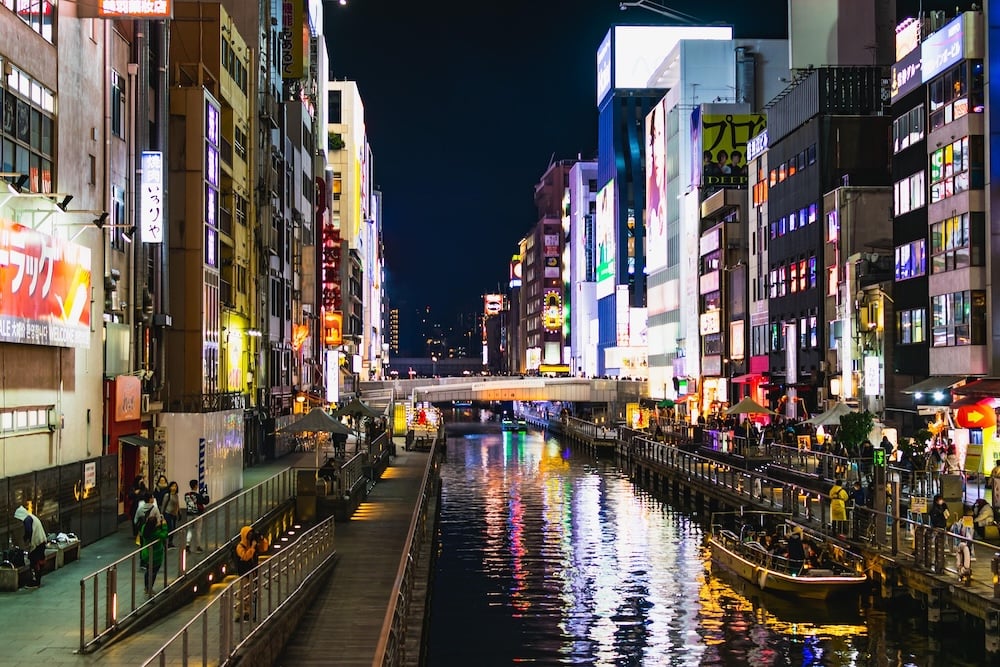
Osaka, on the other hand, is often seen as more chaotic and a little rougher around the edges. The city is generally more industrial and grittier in many places and while not quite as neat and tidy as Tokyo, has a certain charm of its own. Though sometimes unfairly characterized as being less polite and more aggressive, people from Osaka are also often seen as more laidback and friendly than their Kanto counterparts, often more willing to have a friendly chat. Kansai-ben is the dialect of the Kansai-region and its subset Osaka-ben, is commonly heard spoken throughout the city. Osaka has a rich history and its food culture is particularly famous for favoring cheap, hearty dishes. The city is well-known for its vibrant nightlife and offers plenty of reasonably priced options for drinking and dining out.
Housing and Cost of Living
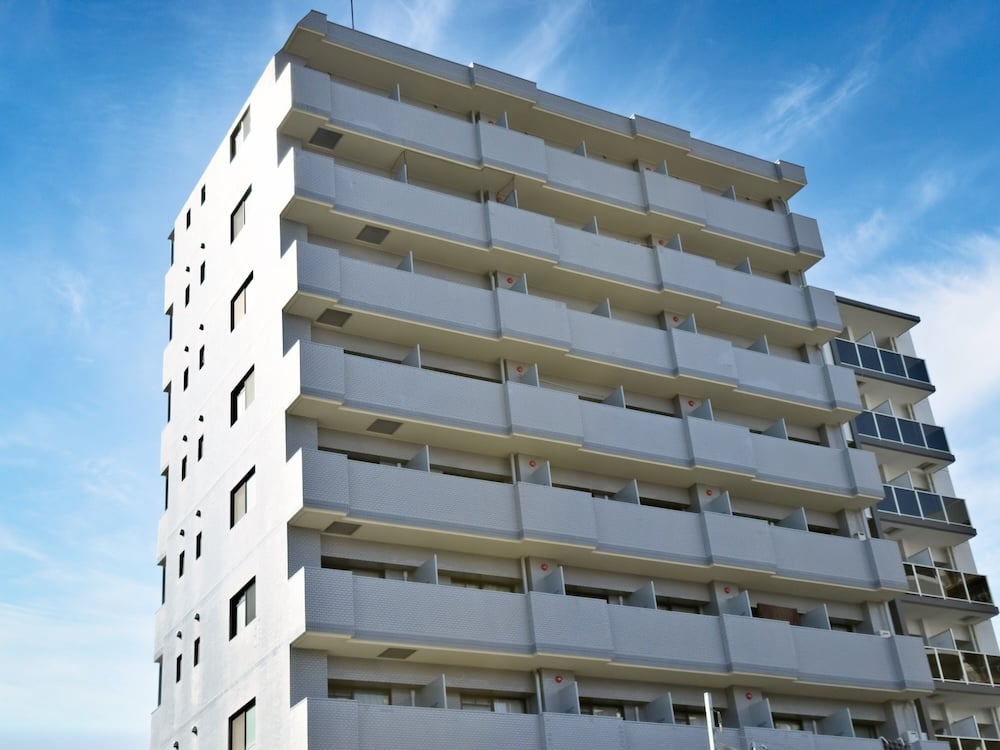
Rents in both Tokyo and Osaka have sharply increased over the past few years due to various factors but much more so in Tokyo. Some areas in Tokyo saw a 10 percent increase in average rent in 2025, marking the largest rental increase in thirty years. The average rent for a 1k apartment (one room with a kitchen) within the 23 wards of Tokyo is now hovering around 100,000 yen per month as per the latest statistics from the end of 2025.
In Osaka on the other hand, the average rent for a 1k apartment is about 70,000 yen per month. Historically, Osaka has always been more affordable for rent and even with continuing increases, this is set to remain so. That said, this is simply the average and much cheaper rents can still be found in both cities based on things like the location and age of the building.
The difference in prices is also apparent in the general cost of living. Groceries, dining out and other expenses are slightly cheaper in Osaka, with the cost of groceries in particular being around 10-15% cheaper than in Tokyo. This is offset by salaries in Tokyo being considerably higher, but even so, based on rental prices alone, Osaka is the cheaper city to live in.
Careers
The availability of jobs and career paths can be a huge factor for a foreigner in Japan and by most measures, Tokyo has the advantage here. Being one of the largest cities in the world with headquarters and branch offices of many multi-national companies, Tokyo has a huge number of opportunities to fit many skillsets, even for those whose Japanese language skills may be lacking. Salaries in Tokyo are also, on average, much higher than Osaka.
Being a smaller city, Osaka doesn’t have quite the same level of opportunities for foreigners outside of a few specific industries such as education. While most multi-national companies have headquarters or offices based in Tokyo, Osaka is home to many small and medium sized companies that are often focused on domestic industries. As such, job hunting for foreigners in Osaka can be very challenging and competition can be fierce. Positions outside of teaching English often require a much higher level of Japanese ability and more skills or experience.
All that said, it very much depends on the particular industry you want to work in as the demand can be quite different across both cities. If you’re an IT professional for example, Tokyo is definitely the place to be due to a myriad of opportunities and higher salaries. For tourism and hospitality, Osaka has a huge demand for foreigners to work in hotels and inbound tourism. Education is also a thriving industry in both cities with plenty of English teaching opportunities for foreigners.
Transport and Access
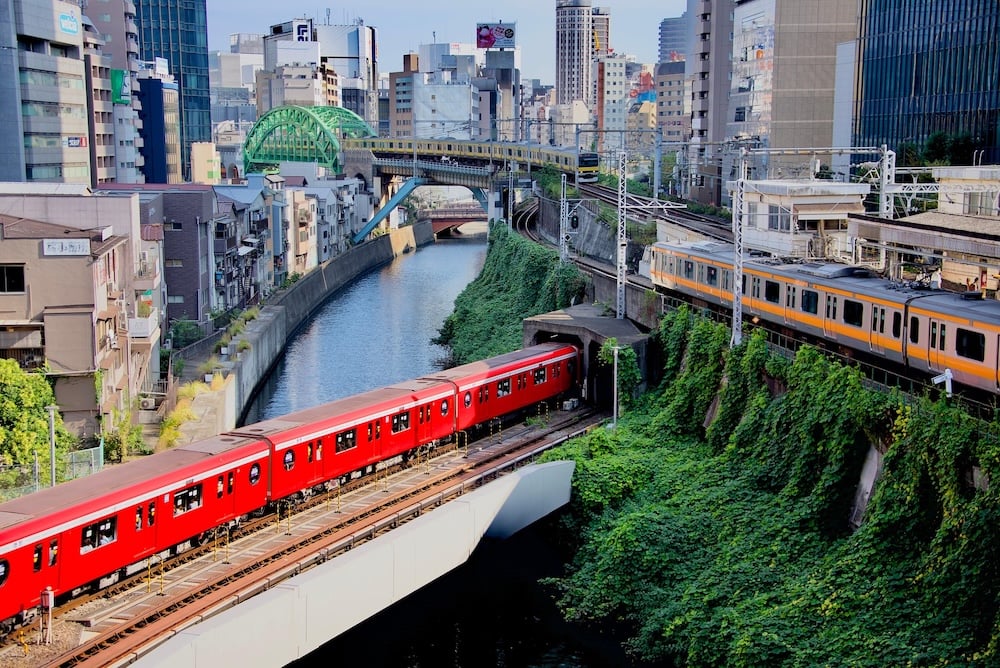
This is a point where neither city loses out. Both Tokyo and Osaka have excellent public transportation systems with a wide range of trains and buses to get you pretty much anywhere around the city and beyond. Osaka has a handful more public transport dead zones where you could end up quite far from a station but these are very few and far between. Both cities are serviced by two major airports with Narita and Haneda for Tokyo and Kansai International and Itami for Osaka.
Both cities also offer great access to nature spots with the excellent public transport systems able to take you outside of the city for easy day trips. Tokyo in general tends to have more green spaces within the city itself compared to Osaka’s more industrial urban landscape. Osaka on the other hand offers very easy access to stunning locations in the north and south of the prefecture as well as neighboring prefectures like Nara, Hyogo, Wakayama and Kyoto.
City Life in Japan
Both Tokyo and Osaka offer distinctive features for foreigners living in Japan. Tokyo offers a wealth of career opportunities and all the modern conveniences of one of the world’s great cities whereas Osaka has a more affordable cost of living and more laidback vibe. Both cities have something to offer everyone and are well worth considering when moving to Japan.