
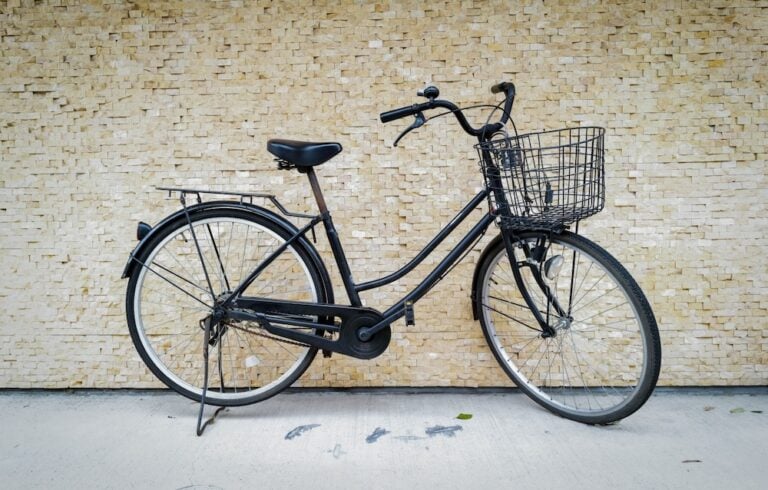
When it comes to living in Japan, bicycles are an enormously convenient way of getting around, especially in urban areas. Easier and cheaper to park than a car, convenient for carrying your shopping and ideal for short commutes, a bicycle is something that every foreigner in Japan should own.
However, up until now, road laws around riding bicycles have been fairly relaxed. As long as you make sure your bike is registered, follow regular road rules and are careful, you are generally fine. However, the enforcement of laws and regulations for bicycles is set for a major change, effective from April 1st, 2026.
In this article, we take a look at these new bicycle regulations and how they may affect you and other cyclists in Japan.

Why Change the Rules?
Bicycle usage is firmly engrained in Japanese urban culture with an estimated 80% of Japanese households owning one. With it so strongly embedded into life in Japan, why is it necessary to make changes to the existing laws?
The fact is that accidents involving bicycles in Japan have been increasing every year. In 2024, there were 67,000 traffic accidents involving bicycles. In cases where there were fatalities, 80% were found to be caused by cyclists breaking traffic laws. Furthermore, another large percentage of accidents involve cyclists colliding with pedestrians on sidewalks. This increase in accidents is the main reason for introducing stricter penalties.
The Blue Ticket System
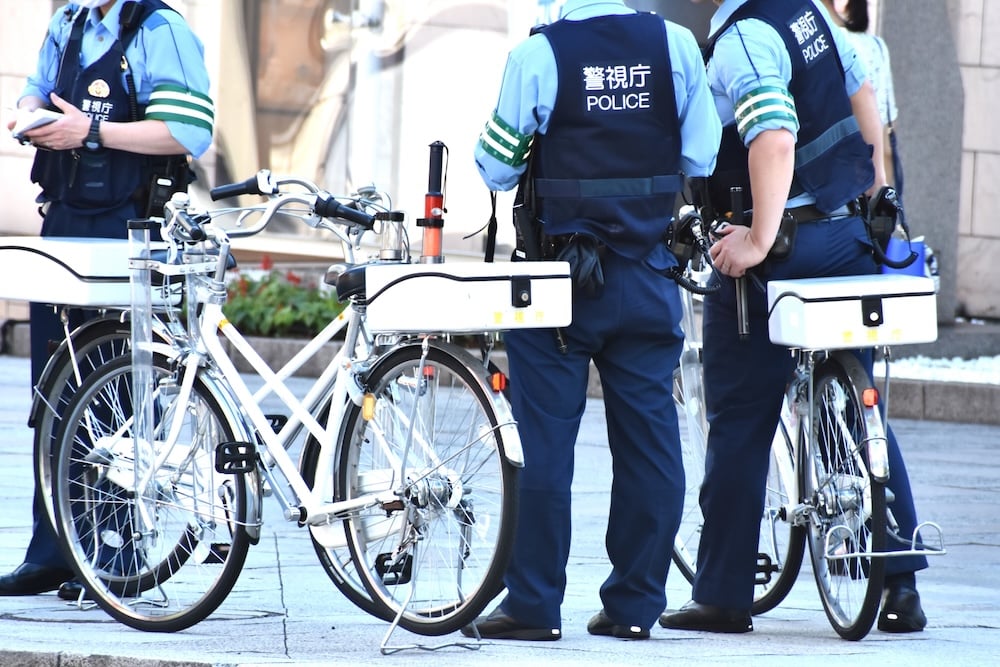
The major change to laws about bicycles coming into effect as of April 1st, 2026 is not so much a change to the law itself, rather than the enforcement of it. Up until now, police could stop cyclists at their discretion for infractions but would mainly only do so for major ones including running red lights or using a mobile phone while riding.
In 2023, police introduced what was called a “red ticket” system in which they would issue a red ticket for major offences such as riding while intoxicated, which would result in heavy fines and possible jail time. For minor offences, they would typically only issue a warning.
From April 1st 2026 however, police will be able to issue fines immediately for even minor infractions. This new system is called the “blue ticket” system and police will issue a ticket on the spot that the cyclist will have to pay to avoid further legal action. The fine can be paid at a bank or post office and needs to be paid by the deadline (within eight days) to avoid indictment. These fines apply to any cyclist over 16 years old.
The system is extensive with a list of 113 different infractions and fines ranging from 3000 yen to 12,000 yen. With a list so long, these may even be rules that people might not even realize they are breaking. Rather than go over the full 113 items in detail, we will talk about the ones that are probably the most common and discuss one in particular that falls into a grey area.
¥12,000
- Using a phone while riding
- This does not apply if the bicycle is fully stopped
¥7000
- Entering a railway crossing when the gates are lowered or a signal is sounding
¥6000
- Ignoring traffic signals
- Riding on the sidewalk
- Riding against the flow of traffic
¥5000
- Using an umbrella while riding
- Wearing earphones while riding
- Not having working brakes
- Cycling without a light
¥3000
- Riding side-by-side
- Carrying a passenger
- Obstructing emergency vehicles
Some of these rules previously occupied a grey area, sometimes even depending on the prefecture a cyclist was in, but are now officially regarded as offences that can earn a fine. Others may seem surprising given how common it is to see people riding side-by-side and on the sidewalk.
One interesting thing to note is that wearing a helmet is not included in the list of fines. Helmet wearing for cyclists was officially made mandatory in 2023, however in this case, the word “mandatory” is applied very loosely. The actual law states that riders must make an effort to wear a helmet however there is no penalty for not doing so making it currently exempt from fines. Whether this remains the case in future remains to be seen.
Riding on the Sidewalk
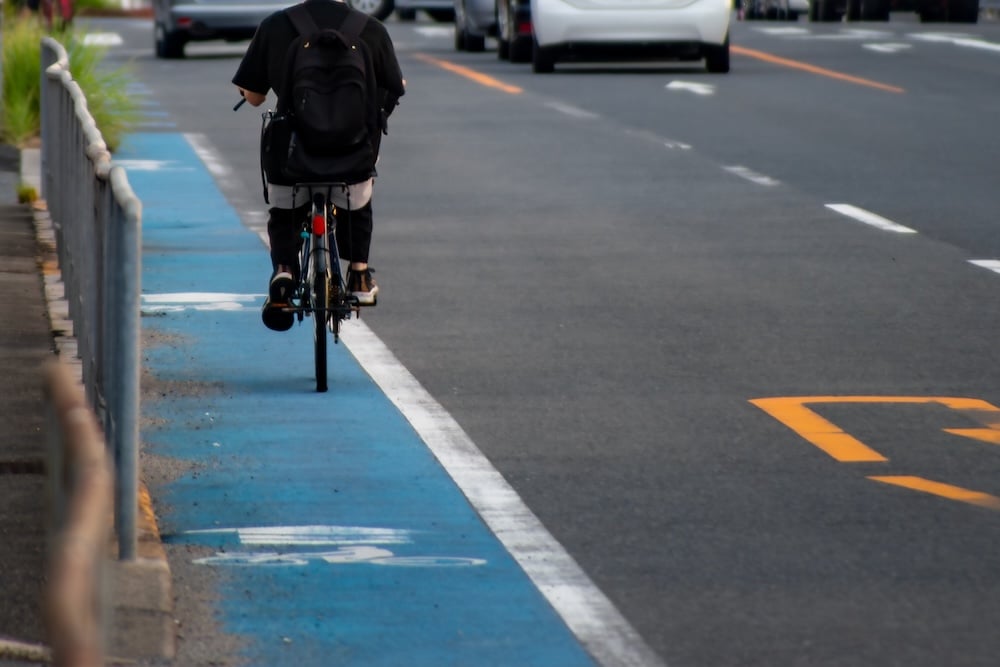
The new fine for riding on the sidewalk in particular caused some confusion given that a large majority of people ride on the sidewalk every day, particularly in cities where riding in traffic may be dangerous. The police issued additional information on this particular rule to clarify it.
Essentially, cyclists should be riding on the road except under certain exceptions. First, cyclists are able to ride on the sidewalk if there is signage indicating that bicycles are allowed to do so. They are also allowed to ride on the sidewalk if traffic is very heavy or the road is very narrow, in other words, if it would be otherwise dangerous for the cyclist to ride on the road.
In all cases, when riding on the sidewalk, cyclists must ride at a slower speed and must not obstruct pedestrians in any way. Children aged under 13, people aged over 70 and people with physical disabilities are exempt from these particular rules and may ride on the sidewalk at any time.
Following the Rules
Up until now, bicycle rules in Japan have been fairly loosely enforced, with penalties usually only for major offences. As such, it’s certainly not uncommon to see people riding on sidewalks or against the flow of traffic. In an effort to reduce the number of accidents, new rules are being introduced that take effect from April 1st, 2026. It’s best to keep them in mind if you’re one of the many people in Japan who rely on their bicycle to get around.