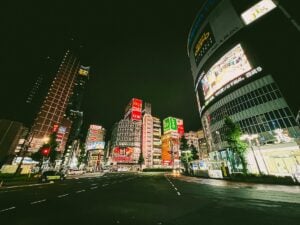
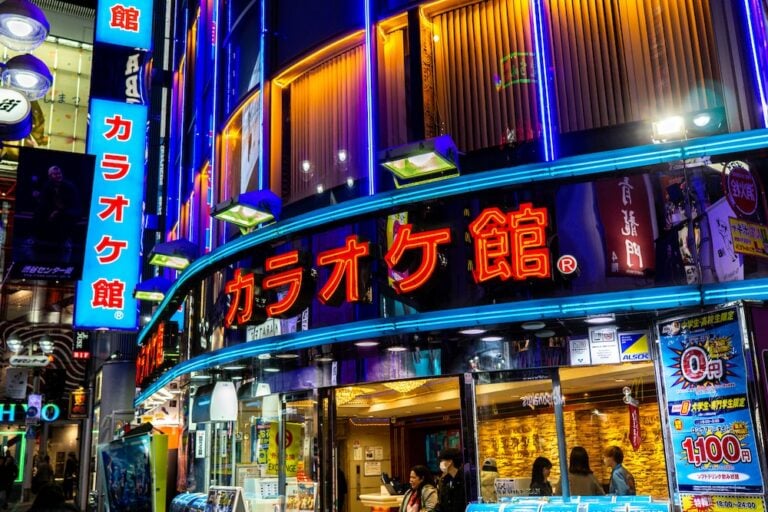
In most countries, karaoke means a night out with friends, a crowded bar, and a shared microphone. In Japan, however, karaoke is a completely different experience. Here, it’s private, flexible, and surprisingly versatile. The iconic karaoke box is a small, soundproofed room rented by the hour, and it has become far more than a place to sing. Over time, it has evolved into a uniquely Japanese type of “third space”: somewhere between work and home, where people can meet, relax, focus, or even nap.
What began as a simple entertainment business has quietly become one of Japan’s most adaptable social spaces.
Karaoke’s Humble Origins
Karaoke boxes began appearing in Japan in the 1980s. The concept was simple: a private room with a television, microphone, and sound system where groups could sing without performing in front of strangers. It fit perfectly with Japanese cultural preferences for privacy, politeness, and controlled social interaction.
By the 1990s, karaoke boxes were everywhere. You could find them anywhere from neon-lit city centers to small-town shopping arcades. The industry grew rapidly as companies like Big Echo, Joysound, and Karaoke-kan opened branches across the country. Students, salarymen, and families all found reasons to go: to unwind after work, celebrate birthdays, or spend a rainy afternoon together.
Karaoke’s peak as a form of entertainment has far from passed, and its infrastructure has endured. In today’s Japan, these soundproof booths continue to serve as group entertainment in the form of vocal performances, however they have also found new life as all-purpose spaces that reflect the country’s evolving social habits.
1. Remote Work and Private Meetings
In recent years, karaoke booths have quietly become the unlikely heroes of Japan’s remote work culture.
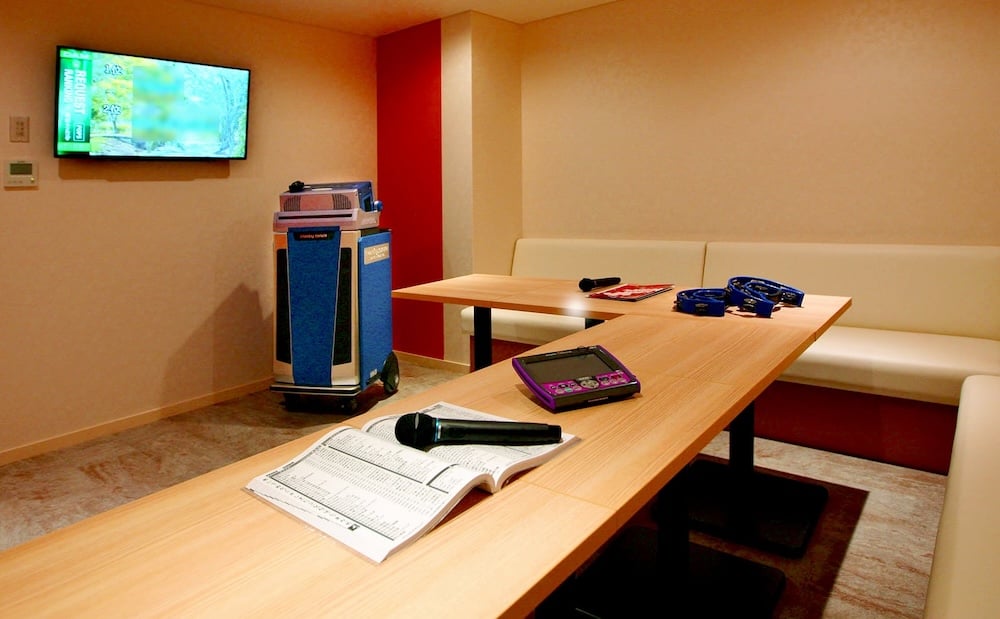
When the COVID-19 pandemic pushed companies to adopt telework, many people found themselves needing quiet, private places for online meetings (something that’s often difficult to find in small Japanese apartments or shared households). And since karaoke chains don’t care much about what you do once you’ve booked the room, many began using these rented spaces as a sort of telework booth, as these spaces usually offer free Wi-Fi, charging ports, and drink bars.
The appeal is obvious: a soundproof room that can be rented for as little as a few hundred yen per hour, equipped with air conditioning, a comfortable sofa, and total privacy.
For freelancers, online teachers, and remote workers, karaoke booths offer an affordable and flexible alternative to co-working spaces. It’s not uncommon to see people quietly typing away in a room that hosted a raucous singalong over the weekend.
2. Watching, Streaming, and Gaming Together
Beyond work, karaoke booths also can serve as informal mini-theaters. Groups of young people use them to stream movies, sports, or concerts on the large in-room monitors. Splitting the cost among friends makes it cheaper than a movie theater, and the soundproofing means they can cheer, sing along, or chat without worrying about disturbing others. I myself once went to a Eurovision screening hosted in a karaoke booth.
This use works well for Japan’s streaming culture as well. When a new anime episode or idol concert airs, fans can rent a booth to watch it together—snacks and all! The karaoke machines themselves often include HDMI ports, allowing guests to connect laptops, game consoles, or streaming devices.
For gamers, this setup offers another hidden benefit: it’s one of the few places in Japan where you can be as loud as you want.
3. Rest Stops and Overnight Shelters
Another unexpected role of karaoke booths is as temporary shelters for those who miss the last train or need somewhere to rest. This situation is not uncommon in Japan, where public transportation shuts down around midnight.
Instead of paying for a taxi or wandering the streets, many people simply rent a booth overnight. The hourly rates are cheap, there’s food and drink on hand, and the couches are soft enough for a nap. Some karaoke chains even offer overnight “free time” packages that last until early morning, which are perfect for this very situation.
As such, don’t be surprised to see a customer quietly sleeping in a darkened booth while others are singing next door!
In cities like Tokyo and Osaka, karaoke rooms have also become emergency sleeping spots for travelers, shift workers, or those who just need a private space for a few hours. This flexibility highlights the booths’ unique place in Japanese life.
4. A Quiet Place to Study or Focus
Despite their reputation for noise, karaoke booths also attract students and professionals looking for a peaceful, distraction-free environment.
During exam season, booths are sometimes rented by students studying solo or in small groups. The private, enclosed setting allows for intense concentration, and the all-you-can-drink soda and coffee options help sustain long study sessions.
And while karaoke chains won’t necessarily market explicitly for these study needs, it’s an easy, well-known option for people struggling to find quiet space in a crowded city. A karaoke booth can be an unlikely but effective solution.
Why Karaoke Booths Fit Japan So Well
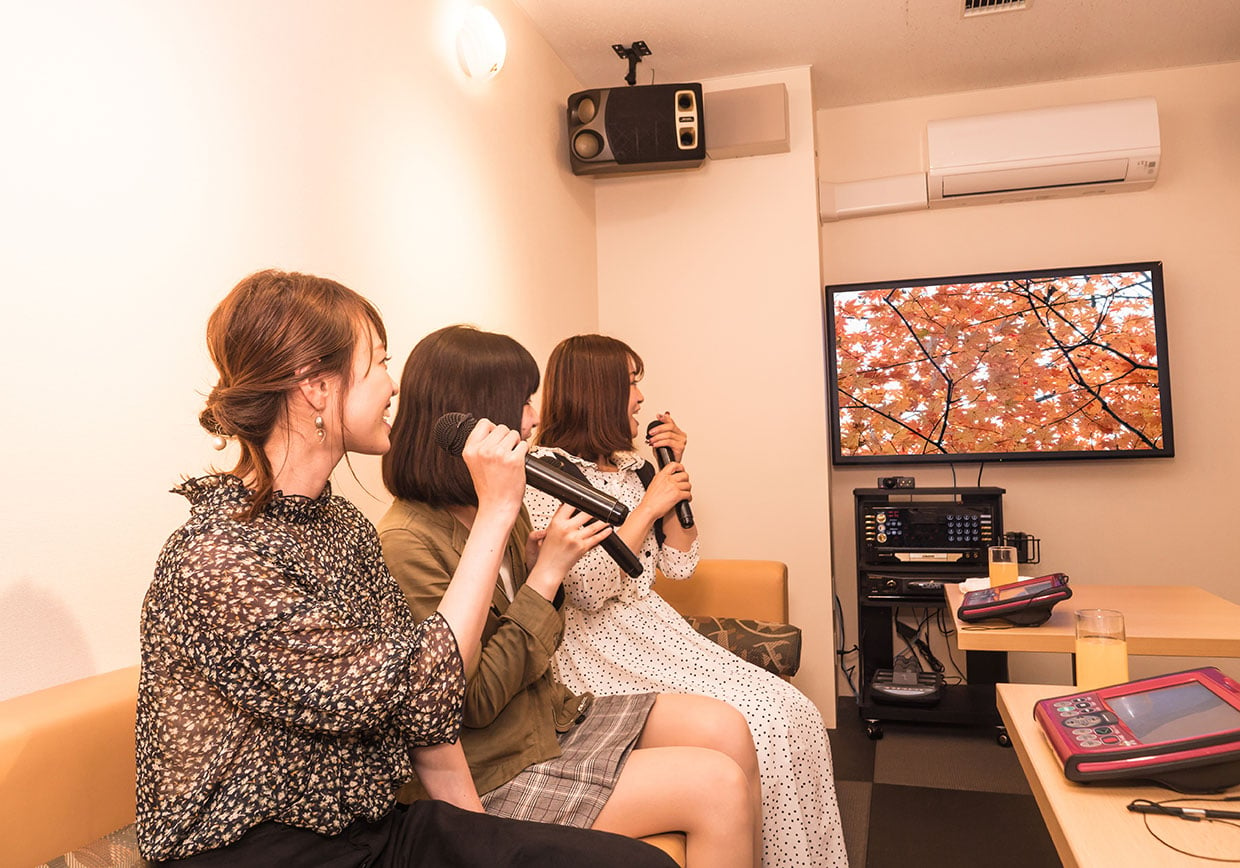
The adaptability of karaoke booths makes sense within Japan’s cultural and social context. Urban density, small living spaces, and a cultural emphasis on not disturbing others create a demand for private, soundproof spaces that can be easily rented.
Japan has long specialized in creating compact, single-person experiences: capsule hotels, manga cafés, internet cafés, even solo dining restaurants. Karaoke booths are part of this continuum. They act as personal micro-environments that cater to specific needs while maintaining a sense of privacy and order.
Moreover, they reflect the broader societal value of being considerate of others. A karaoke box is a simple solution to a complex social balance. It provided a space where people can be loud, work, rest, or study, without disrupting the harmony around them.
Japan’s Most Versatile Rooms
In many ways, karaoke boxes capture something essential about Japanese society: a commitment to coexistence through design. They allow people to express themselves freely while maintaining social harmony. They serve as offices, theaters, shelters, and study rooms, all hidden behind a single door.
The next time you see a karaoke building in Japan, it’s worth remembering that behind each numbered booth might be someone having a meeting, catching a nap, playing games, or belting out their favorite song. The microphone may not always be in use, but the spirit of the karaoke box continues beneath the surface of Japanese daily life.