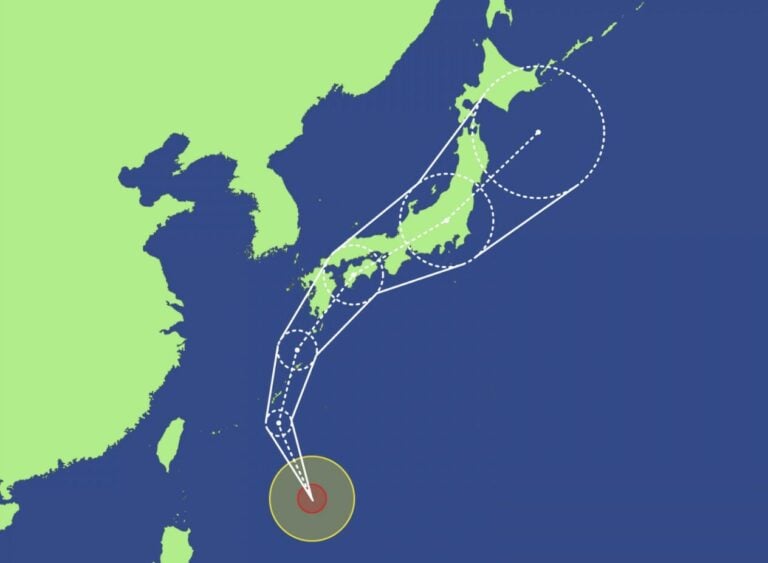
When I first told my family I was moving to Japan, their reactions were predictable. “Isn’t that where they have all those earthquakes?” “Don’t they get hit by typhoons all the time?” “What about tsunamis?” Their concerns weren’t entirely unfounded—Japan does sit along the Pacific Ring of Fire and experiences more than its fair share of natural disasters. But after living in Nagasaki for three years, I’ve come to realise something surprising: I actually feel safer here during natural disasters than I ever did back home.
If you’re considering moving to Japan but are hesitant because of its reputation for earthquakes, typhoons, and other natural phenomena, let me put your mind at ease. Despite being one of the most disaster-prone countries in the world, Japan is also one of the best prepared—and that makes all the difference.
Living in Japan: How to Prepare for a Typhoon in Japan
My First Typhoon Experience
I still remember my first typhoon in Nagasaki. It was only my second month in Japan, and the weather forecasts had been tracking a massive storm heading straight for Kyushu. As a newcomer, I was anxious. Back home, a severe storm warning meant emptying supermarket shelves, boarding up windows, and possibly evacuation.
But what struck me was how calm everyone seemed. My Japanese colleagues casually mentioned the approaching typhoon while discussing weekend plans, as if talking about a mild inconvenience rather than an impending natural disaster.
“What should I do?” I asked my supervisor, trying to keep the panic out of my voice.
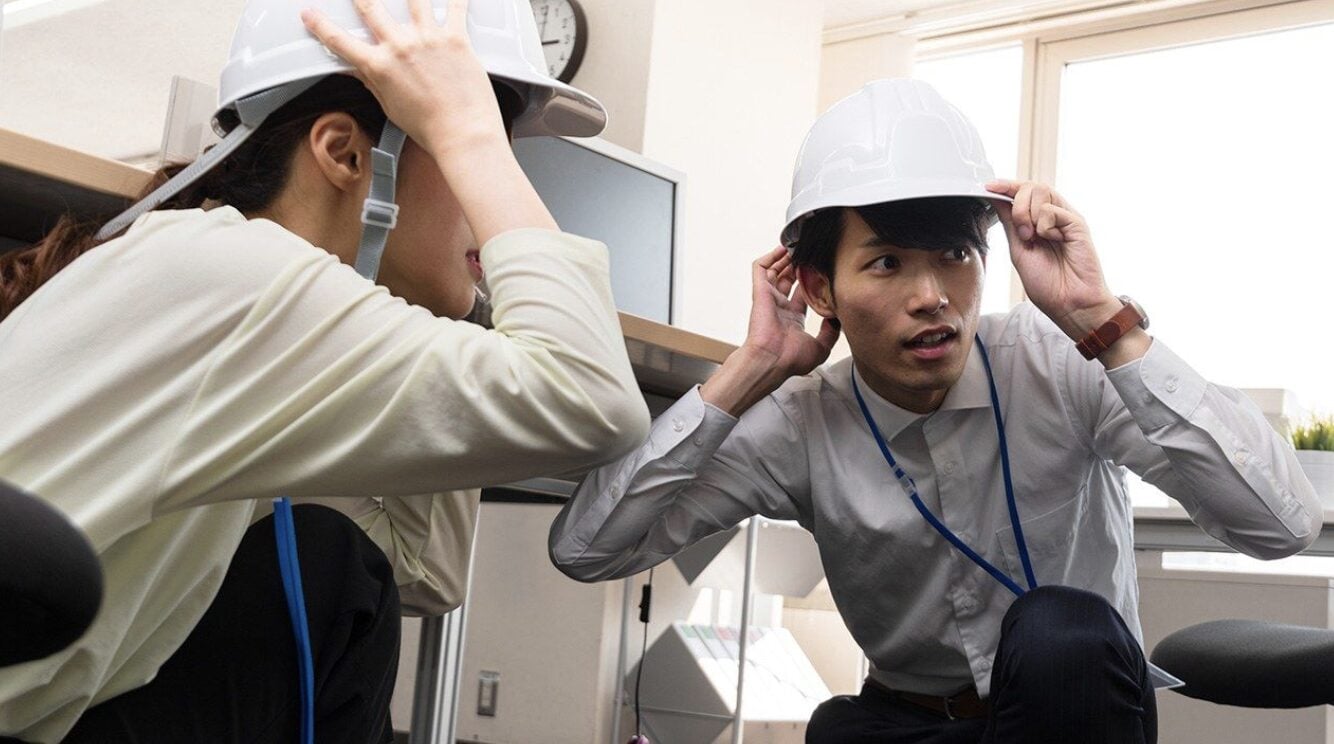
She smiled reassuringly. “Just stay inside. Make sure you have some food and water. The city will send alerts if we need to evacuate.”
The next day, I received a notification on my phone—the city government had opened several evacuation centres, including the gymnasium at the local elementary school. Though my flat was in a safe area, knowing these options existed gave me peace of mind. When the typhoon finally hit, bringing howling winds and sheets of rain that transformed streets into rivers, I felt surprisingly secure.
How to Japan: Earthquake Preparedness in Japan: A Brief Guide
Japan’s Disaster Preparedness: A Well-Oiled Machine
What makes Japan different from other disaster-prone countries isn’t the frequency of its natural calamities but rather its systematic approach to handling them. Here’s what sets Japan apart:
Early Warning Systems That Actually Work
Japan boasts one of the world’s most sophisticated early warning systems. The Japan Meteorological Agency (気象庁) can detect earthquakes seconds before they hit and automatically broadcasts warnings through television, radio, and mobile phones. For typhoons (台風) and heavy rainfall, predictions come days in advance, giving everyone ample time to prepare.
My phone buzzes with emergency alerts whenever significant weather events approach Nagasaki. These alerts are detailed, providing information about expected rainfall, wind speeds, and potential landslide areas. Having access to this information doesn’t just keep me safe—it gives me control over my situation, which significantly reduces anxiety.
Living in Japan: 10 Must Have Items for Your Earthquake Emergency Kit
Community-Based Disaster Response
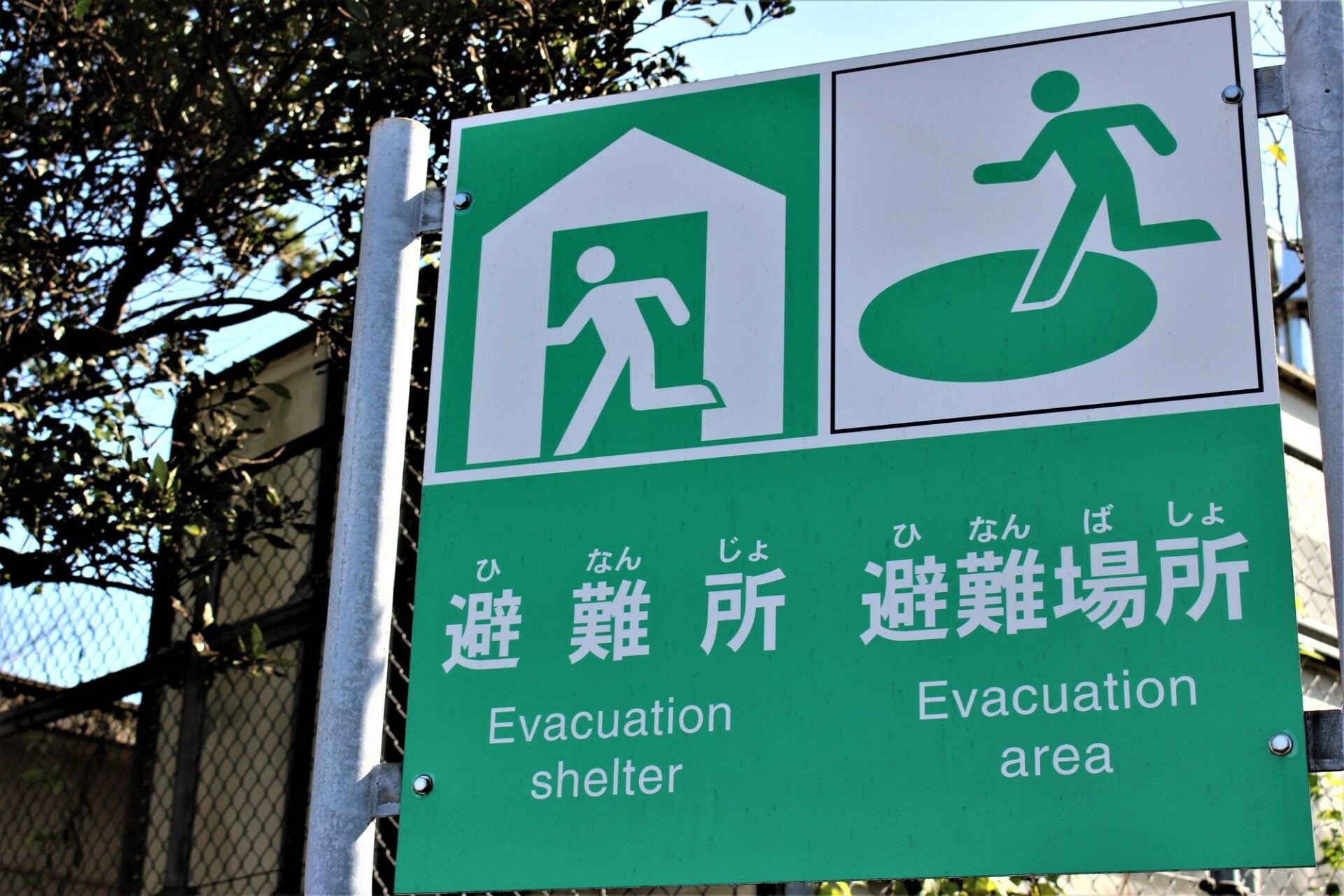
Every neighbourhood in Japan has a designated evacuation centre (避難所), typically a public facility like a school gymnasium or community centre. These centres are well-stocked with emergency supplies and staffed by trained volunteers.
During one particularly severe typhoon season, I found myself at the local elementary school gym alongside about fifty neighbours. The space was organised efficiently, with areas for families, elderly residents, and those with pets. Volunteers distributed blankets, rice balls (おにぎり), and tea, while city officials provided regular updates about the storm’s progress.
What struck me most was the sense of community. People chatted quietly, shared snacks, and helped elderly neighbours set up their sleeping areas. Children played card games in one corner while their parents discussed the weather forecast. It felt less like an emergency situation and more like an impromptu community gathering.
Living in Japan: What You Should Know About Calling an Ambulance in Japan
Infrastructure Built to Withstand Nature’s Fury
Japan’s building codes are among the strictest in the world. After the devastating 1995 Kobe earthquake (阪神大震災), construction standards were revised to ensure buildings could withstand significant seismic activity. Modern Japanese structures incorporate features like flexible foundations, shock absorbers, and reinforced frames.
Even in Nagasaki, where many buildings are older due to the city’s rich history, retrofitting projects have improved structural integrity. My apartment building, though not new, has clearly labelled evacuation routes, emergency lighting, and a designated gathering area outside—all standard features in Japanese residential buildings.
Practical Tips for Newcomers
If you’re planning to move to Japan, here are some tips that helped me feel more prepared:
Familiarise Yourself with Local Resources
Within your first week in Japan, take time to locate your nearest evacuation centres. In Nagasaki, I discovered that my local elementary school, middle school, and community centre all serve as designated shelters during emergencies. Most city offices provide maps of these locations, often with English translations available.
Also, register for your city’s emergency alert system. Many municipalities offer services in multiple languages, sending crucial information directly to your phone during disasters.
How to Japan: How to Use the Automated External Defibrillators in Japan
Create a Basic Emergency Kit
Japanese households typically maintain emergency kits (防災グッズ, bōsai guzzu) containing essentials like:
- Bottled water (3 litres per person per day)
- Non-perishable food (enough for three days)
- Torch and extra batteries
- First aid supplies
- Portable radio
- Cash in small denominations
- Copies of important documents
I keep mine in a rucksack near my front door, ready to grab if needed. It’s not about being paranoid—it’s about being prepared.
Learn Basic Emergency Japanese
While many Japanese people speak some English, learning a few key phrases can be invaluable during emergencies:
- “助けてください” – Please help me
- “危険ですか?” – Is it dangerous?
- “避難所はどこですか?” – Where is the evacuation centre?
- “大丈夫です” – I’m okay
The Mental Health Benefit of Japanese Preparedness
Perhaps the most unexpected benefit of Japan’s disaster readiness is the psychological comfort it provides. There’s something deeply reassuring about living in a society where natural disasters are treated not as chaotic, unpredictable events but as manageable situations with clear protocols.
During my third year in Nagasaki, when typhoon warnings became routine rather than cause for alarm, I realised that my entire perspective had shifted. I no longer feared natural disasters the way I once had. Instead, I trusted in the systems designed to keep me safe.
This shift in mindset is common among foreigners living in Japan. Many of my expat friends share similar sentiments—initial anxiety giving way to confidence as they witness firsthand how effectively Japan handles these events.
Living in Japan: Minding Your Mental Health
The Reality of Living with Natural Disasters in Japan
It would be dishonest to claim that natural disasters in Japan are nothing to worry about. They are powerful, sometimes destructive forces that demand respect. But Japan’s comprehensive preparation transforms what could be terrifying experiences into manageable inconveniences.
When a typhoon approaches Nagasaki now, my routine is simple: I check emergency alerts, stock up on a few days’ worth of food and water, charge my devices, and make sure my emergency kit is accessible. Then I settle in with a good book or film, listening to the rain while feeling secure in the knowledge that an entire nation’s worth of disaster expertise is working to keep me safe.
This sense of security isn’t just my personal experience—it’s shared by millions of Japanese citizens and foreign residents alike. It’s the result of a culture that doesn’t just accept the reality of natural disasters but actively works to mitigate their impact through preparation, education, and community support.
So if fears about earthquakes, typhoons, or tsunamis are holding you back from experiencing all that Japan has to offer, I encourage you to reconsider. In a paradoxical way, this land of natural disasters might just be one of the safest places to weather nature’s storms.
Note: Whilst Japan’s disaster preparedness systems are excellent, personal responsibility remains essential. Always follow official guidance during emergencies and take time to understand local protocols in your specific area of Japan.