
Moving to Japan can be exciting, but also a little lonely. Between navigating a new language, understanding cultural subtleties, and adjusting to a very different daily rhythm, it’s easy to feel like an outsider looking in.
What if there were a way to not only connect with local communities, but also give something back, learn Japanese in a natural setting, and make meaningful friendships—all at the same time?
Welcome to the world of volunteering in Japan.
Whether you’re here on a working visa, as a student, or building a long-term life, volunteering offers more than just warm fuzzies. It can be one of the fastest and most rewarding ways to integrate into Japanese society.
Living in Japan: The Most Heartbreaking Thing About Moving to Japan (And Why It’s Worth Every Tear)
Why Volunteering Matters in Japan
Volunteering isn’t as mainstream in Japan as it is in countries like the U.S. or Canada, but that’s starting to change. The 2011 Tōhoku earthquake and tsunami marked a major shift in public perception of volunteerism, especially among younger generations. Since then, there’s been a growing interest in community engagement, disaster preparedness, and social responsibility.
For foreigners, volunteering offers a unique chance to:
- Immerse yourself in local culture without the pressure of formal structures
- Practice your Japanese in a supportive, real-world environment
- Build cross-cultural relationships with locals and other internationals
- Gain insight into regional challenges and how communities work together
- Contribute meaningfully to the place you’re living in
Best of all? You don’t need perfect Japanese to get started.
Living in Japan: Dealing With Loneliness in Japan
Types of Volunteering Available to Foreigners
You might be surprised by how many volunteer opportunities are open to foreigners—some even specifically want international participants.
Community Clean-Ups & Environmental Projects
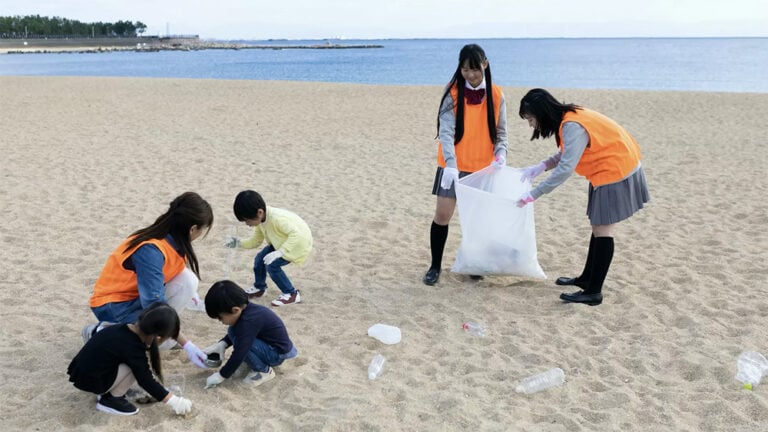
Local governments and nonprofits often organize monthly or seasonal clean-up days in public parks, riversides, or city streets. These are great low-commitment ways to help out, meet neighbors, and even discover hidden corners of your town. Japan’s urban rivers in particular face significant pollution challenges due to industrial and domestic wastewater, illegal dumping and microplastics.
Language required? Minimal
- Tokyo River Friends is one such organization that has been working since 2017 to clean up riverfront areas and regularly draws a number of volunteers on weekends. URL: https://www.tokyoriverfriends.org
- How to find them? Check local ward office websites or community bulletin boards
Animal Shelters and Pet Rescues
Japan has a number of animal rescue organizations—especially for cats and dogs—that welcome volunteer support for feeding, cleaning, and socializing the animals. Japan continues to experience a “pet boom” as the nation’s birth rate steadily declines.
- Popular groups: Animal Refuge Kansai (ARK), Japan Cat Network, HEART-Tokushima
- One such organization, Animo Animal Oasis, was recently profile by Jobs in Japan (see the website blog page). Animo URL: https://www.animosanctuary.org
- Language required? Basic to intermediate Japanese (varies by group)
Cultural Exchange & English Conversation Programs
Many local NPOs and community centers run international exchange events or English conversation cafes. These are a fantastic way to give back using your native language skills while connecting with curious locals.
- Examples: NPOs like NICE Japan, local “Kokusai Kōryū” (international exchange 国際交流) centers
- Language required? Often none, or just basic greetings
Elderly Support Services
Japan’s aging population has created a real need for elder care volunteers, especially in day programs or activity centers. Duties might include playing games, helping with light tasks, or just chatting.
- Note: This kind of work can be deeply appreciated, especially by lonely seniors
- Language required? Conversational Japanese preferred
Disaster Relief & Preparedness
Organizations like Peace Boat Disaster Relief (PBV) and Second Harvest Japan mobilize volunteers for disaster recovery and humanitarian support, including food banks and emergency supply sorting.
- Best for: Those with physical stamina and flexibility
- Language required? Varies, but some English-friendly programs exist
Education Support
Volunteer with organizations that tutor kids from low-income families or offer support to foreign students. Teaching, mentoring, or simply playing with children can leave a lasting impact.
- Groups to explore: YouMeWe NPO, Tokyo English Lifeline (TELL)
- Language required? English often sufficient
How to Find and Sign Up for Opportunities
Finding the right volunteer role may take a bit of research, but these platforms can make your search easier:
- Japan Volunteer Guide (japanvolunteers.org) – A directory of international-friendly volunteer opportunities across Japan, sorted by interest and region.
- Volunteer Centers (ボランティアセンター) – Most cities and wards have a volunteer center, often inside community buildings or social welfare offices. Staff may help you find a match based on your interests.
- Meetup.com & Facebook Groups – Search for “volunteer Tokyo,” “community service Osaka,” or similar keywords. Expat-led groups often organize weekend events.
- University Clubs and International Exchange Centers – If you’re a student, check out university-run international circles. If you’re not, some are still open to outside participation.
Living in Japan: How to Make Japanese Friends by Joining a Club or Group
Cultural Do’s and Don’ts When Volunteering
Volunteering in Japan isn’t just about what you do, but how you do it. Keep these cultural norms in mind:
Do:
- Show up on time. Punctuality is seen as respect.
- Follow instructions precisely, even for seemingly simple tasks.
- Wear appropriate clothing, often including masks or gloves.
- Use polite language, even if you’re speaking English.
Don’t:
- Assume your way is better. Observe how locals approach tasks.
- Overstep roles or take initiative without asking (that can feel disruptive).
- Be overly casual or joke in ways that might not translate well.
- When in doubt, err on the side of humility and politeness. Your willingness to contribute will speak volumes.
Benefits That Go Beyond the Obvious
Volunteering in Japan isn’t just about doing good, as it can genuinely transform your experience of living here.
- Real-Life Japanese Practice – You’ll hear vocabulary that textbooks never cover. Listening and speaking in context speeds up fluency more than any app.
- A Broader Perspective – You’ll gain insights into local challenges, like rural depopulation, aging demographics, or disaster readiness.
- Building Friendships – Volunteering attracts open, curious people. You’ll often connect with like-minded locals and other internationals.
- Resume Booster – Yes, volunteering in Japan can look great on your resume, especially for those working in education, nonprofit, or community engagement roles.
Living in Japan: 37 Japanese Phrases for Making Friends in Japan
Final Thoughts: Give a Little, Gain a Lot
Volunteering in Japan is a powerful way to bridge the cultural gap, build trust, and make your time in Japan more meaningful.
It doesn’t require perfect Japanese, a long-term commitment, or even prior experience. All it takes is a bit of curiosity, a willingness to help, and the courage to take that first step into a local community center, park, or shelter.
Because when you give a little of your time, Japan tends to give a lot in return.