Just a short disclaimer: This worked for me but I can’t speak for everyone.
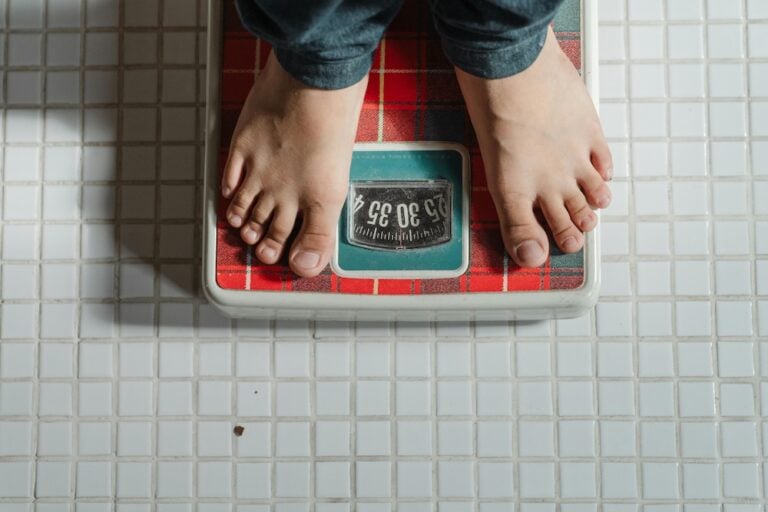
If there’s one thing I’ve struggled with since moving to Japan, it’s dieting. Or let me be more honest: just trying to live a healthier life in general. I’ve always been on the curvier side, not necessarily “plus-size” but during the pandemic, I gained quite a bit of weight. It was a combination of different factors that inevitably caused my weight to get worse. Before that, I had a healthy BMI which was around 23, and I felt really good about myself. But when the world shut down in 2020, and all of my routine went out the window, so did my healthy habits and my mindset to eat properly.
Things only got worse when I started working at an eikaiwa (English conversation school) that usually ended at 10 p.m. I fell into the habit of eating super late every night, sometimes later than 11:30PM, since I would only eat after I got home. I would constantly indulge in different types of convenience store bentos, instant noodles, fast food — basically whatever was quick and easy that I could heat up in the microwave for 5 minutes after a long day of work. And Japan’s convenience food, while amazing in taste and variety, is not exactly ideal when you’re trying to get your health back on track or if you are trying to eat on a deficit.
Eventually, all of that turned into a cycle: I’d stay up late, eat late, skip breakfast, and never feel like exercising despite getting a secondhand treadmill at home. It happened very slowly; in a matter of months until I slowly started feeling heavier, not just physically but mentally too. 3 years later, I knew I had to do something. Fast forward to now — I’ve lost around 3 kg since I started my weight loss journey, and while it may not sound like a lot, it’s something I worked really hard for. So, here’s everything I tried, what worked, and what I’ll probably be doing again in January when I restart my routine.
What Helped Me Lose Weight in Japan
1. Walking and the Treadmill Routine
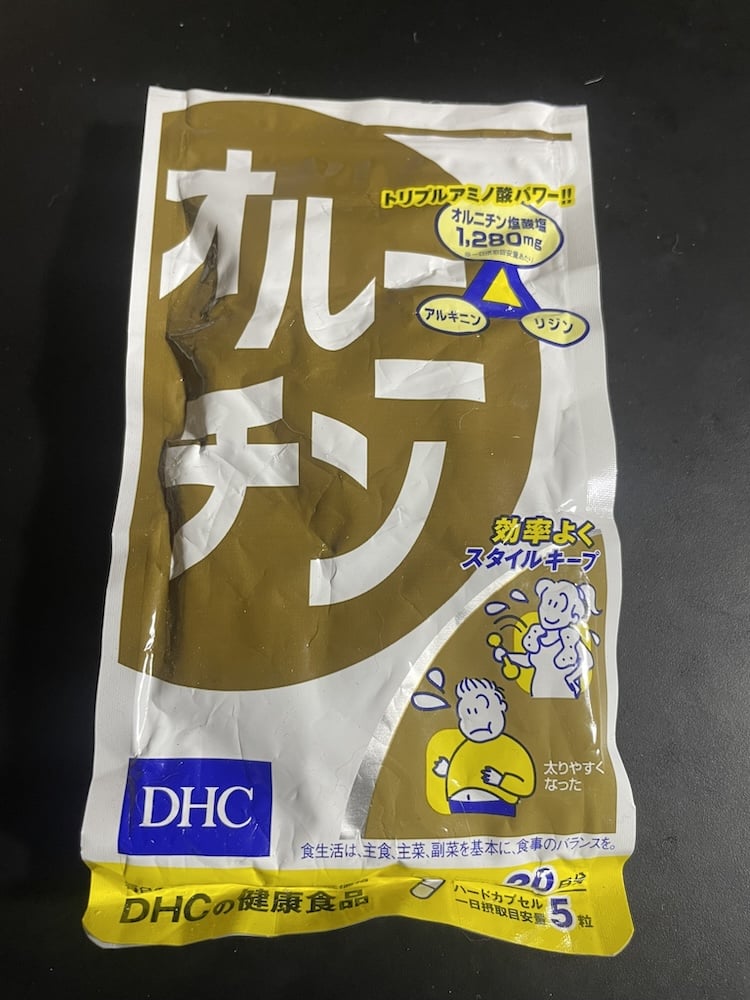
When I was working from home for a while, I made it a point to walk or use my home treadmill for about 45 minutes every day regardless of how busy I was. I paired it with a supplement called L-carnitine from DHC, which I took 30 minutes before starting my morning run. It was pretty difficult in the beginning because I was not used to running or doing any type of heavy cardio but I did feel like I sweated more and had more energy as the time passed. I also bought dumbbells and a resistance band from Daiso to work with while I walk on the treadmill so I can build more muscle, because my arms were getting flabbier as I started to lose weight.
2. Supplements: FANCL Calorie Limit
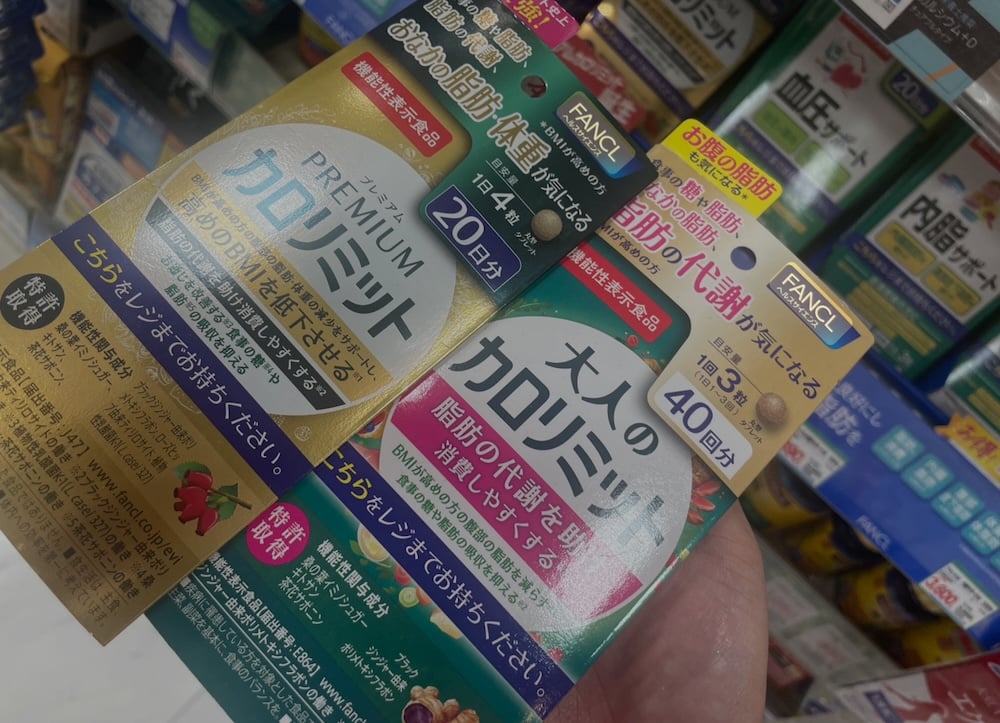
This is actually pretty popular in Japan — FANCL’s Calorie Limit supplements. You take four pills before your heaviest meal, and it’s supposed to help your body better digest carbohydrates and fats. I read a lot of good reviews online when I first started doing research on how to effectively lose weight in Japan. I used to take them during lunch or dinner, especially if I knew I’d be eating something heavy, particularly noodles or rice. I can’t say for sure how much it contributed to my weight loss but I did feel less bloated than I did before I started using it. You can get both the L-Carnitine and Calorie Limit in all drugstores in Japan.
3. The “Egg Diet” Phase
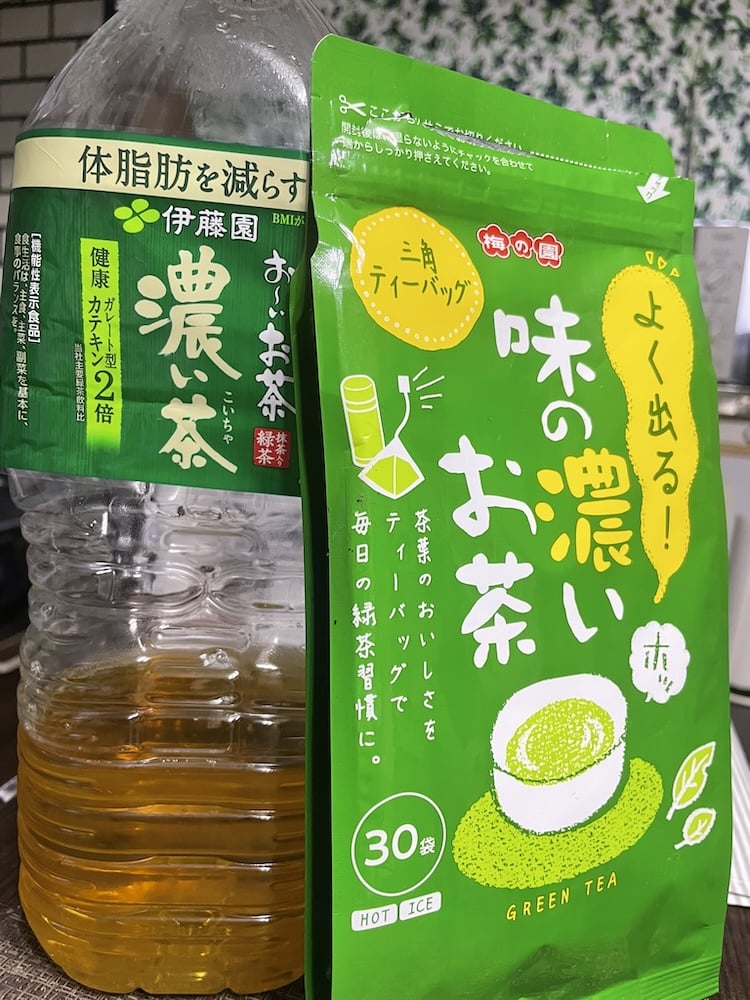
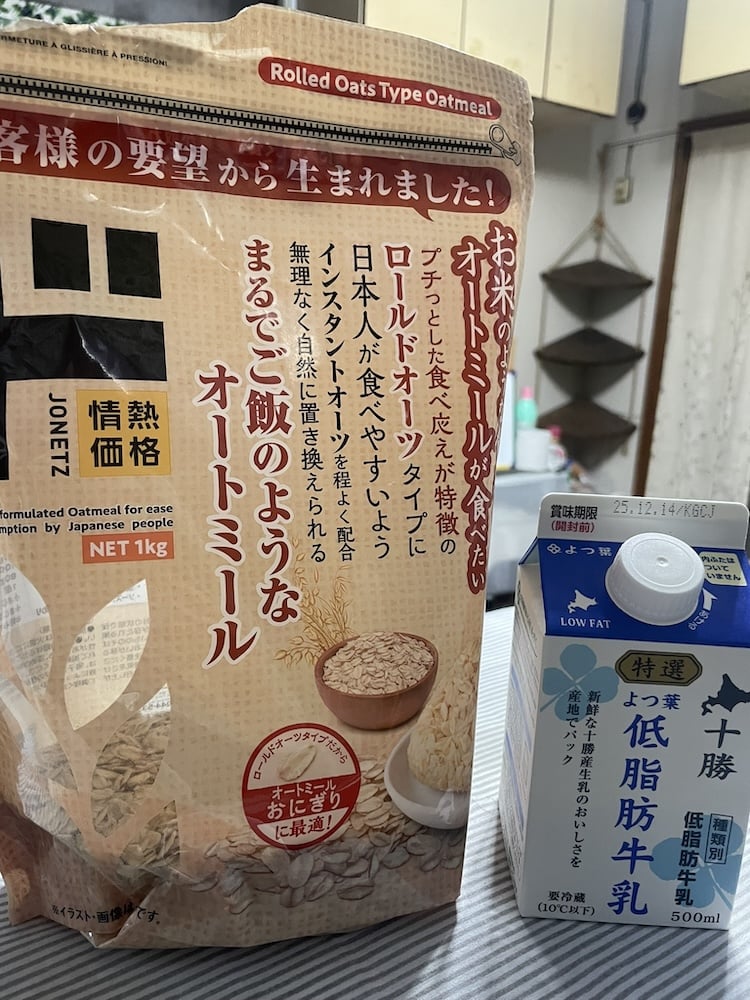
For a while, I went into what I called my “egg diet” phase — one of those extreme diets and is not intended to be done long term due to how restrictive it is. It wasn’t just eggs — it was mostly eggs, oatmeal, potatoes, and green tea. Simple, cheap (well, eggs used to be cheap), and easy to cook. I kept my meals really basic by boiling the eggs every morning, enough to be consumed for the whole day. The prescribed amount online states to eat 3 eggs for breakfast, 3 for lunch along with some green tea, and a bowl of oatmeal with banana pieces for dinner. No sauces, no fried stuff, just boiled or scrambled eggs, toast, or a small portion of rice. Generally, you are only allowed oatmeal and you have to skip rice or bread in general while doing this diet challenge, but I customized mine based on my body’s nutritional needs. It made me more conscious and in tune with my body in figuring out what works, what’s okay, and what should absolutely be avoided.
4. Calorie Counting with an App
I downloaded an app called Cal-AI, a calorie counting app available in all IOS devices that helped me track everything I was eating 3 times a day. I tried to stay under 1,500 calories a day, which was hard — especially when you’re surrounded by Japanese snacks and restaurant food that looks small but packs a punch. For the first week and a half, I lost about 4.3 kilograms… which I admit, was too fast and was not in any way healthy. I started getting dizzy, my vision was spinning, and I felt so weak so I added more lean meat to my diet, a bit more protein and I tried eating more avocados, which was only about 98 Yen each at that time in my local supermarket. Sadly, it is back to the high 300’s now.
Moving forward, I try not to restrict myself too much. I still use the app when I need to reset, I still try to eat less than 2,000 calories a day, and I don’t do midnight snacks anymore but I focus more on balance than numbers now.
5. Drinking More Water
This might sound too basic to include, but honestly, I used to forget to drink water. I now keep a full water bottle next to me all the time, and I try to finish at least 1.5 liters a day if my situation permits it. I put it in my calendar and even programmed Alexa to remind me to drink a glass hourly just in case, and it helped a lot with my digestion and weirdly helped reduce my cravings. Sometimes I’d feel like snacking, but find out I was just dehydrated. So, make sure to drink water; no need to have a specific quota every day, just make sure you are fully hydrated.
6. Virgin Coconut Oil in Rice
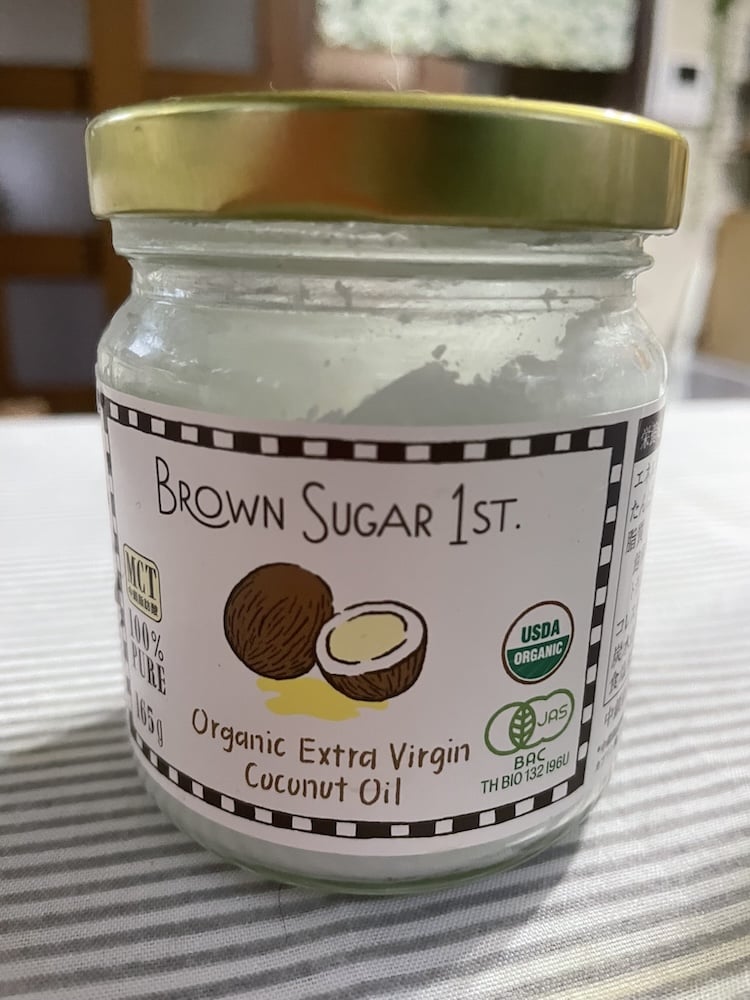
This one’s kind of old-school — something I learned by searching it up on Google! I started adding a spoon of virgin coconut oil into my rice cooker when cooking the rice. Apparently, it changes the composition of the starch and helps your body burn fat more efficiently. I don’t know if it worked scientifically, but it helped condition my thinking that a spoonful was helping me breakdown and burn fat better, plus I can’t help how good the rice smells, like a hundred times better.
7. Intermittent Fasting
Out of everything I tried, intermittent fasting was probably the most effective and doable long-term. I didn’t do anything extreme because I wanted to try the most widely used version which was the 16:8. I usually stopped eating at 8 p.m. and wouldn’t eat again until around 11 a.m. the next day. Some people stop at 6 p.m., but that’s a bit too early for me, especially when my work ends late. I didn’t feel too deprived, and it gave my body time to rest and digest. Surprisingly, I wasn’t as hungry in the mornings anymore although it took a bit of getting used to. It triggered my acid reflux in the beginning, but this was by far, the most effective regimen for really fast weight loss, and I saw visible results in 2 days!
What Didn’t Work (Or Was Just Too Much)
Crash dieting. Losing 4 kg in a week and a half was dangerous and I got lightheaded all the time and couldn’t concentrate.
Being too strict. The moment I said “no snacks ever,” I craved them 10 times more and I felt like I was depriving myself too much by not having a cheat day. Now, I allow myself cheat days and I don’t deprive myself of good food but with a few limitations.
Skipping meals entirely. I used to think skipping breakfast or lunch would help me lose weight, but it just made me overeat at night or made my metabolism slower, therefore making it harder for me to lose weight.
Where I Am Now
I’ve put the strict dieting on hold a bit, but I’m still trying to be conscious. I gained a little back (about 1 kg), but I’m not stressing, and surprisingly, I was able to keep most of the weight off despite not actively dieting. I plan to restart in January with more structure and maybe include light strength training. I want to focus more on building habits than chasing numbers and who knows, year 2026 may be my fittest self ever in a long time!
Japan makes it easy to gain weight without realizing it. There are convenience stores on every corner, amazing sweets everywhere, and the lifestyle (especially when you work late) can lead you into a spiral of unhealthy habits. But there are also good options like fresh produce, healthy bento shops, and lots of walking. You just need to be intentional with your actions and put in the work, if you want to transform your body into the healthiest version possible.