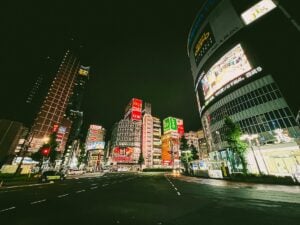

Japan, an island nation situated on the Pacific Ring of Fire, is home to over 100 active and dormant volcanoes. These natural wonders not only shape the country’s landscape but also deeply influence its culture and daily life. Volcanoes have always been a source of fascination and inspiration for the Japanese. Some, like Mt. Fuji, are even seen with reverence. And while famous peaks like Fuji often get all the attention, Japan’s less well-known volcanoes offer a unique opportunity to explore awe-inspiring landscapes, experience rich local traditions, and discover the raw power of the Earth.
Why Japan Has So Many Volcanoes
Japan’s location on the Pacific Ring of Fire (where the Pacific Plate meets the Eurasian, North American, and Philippine Sea plates) makes it one of the most seismically active regions on Earth. In fact, the land that Japanese people inhabit is thanks to millions of years of this very volcanic activity. Exploring these towering beasts allows you to see the country in a new light, especially when you stray away from the most popular ones.
Living in Japan: The Wonderful World of Japanese Waterfalls
Off-the-Beaten-Track Volcanoes to Visit
While Mt. Fuji draws millions of visitors each year, there are plenty of lesser-known volcanoes scattered across Japan that offer equally stunning views, rewarding hikes, and unique experiences. Below are four volcanic destinations that will give you a more intimate look at Japan’s fiery landscape.
1. Aso Volcano (Kumamoto Prefecture) 阿蘇山・熊本県

Located on the island of Kyushu, Aso is one of the largest active volcanoes in the world. With a caldera that spans over 25 kilometers in diameter, Aso offers a vast, otherworldly landscape that is truly unique. While many tourists visit Aso to see the famous crater, the area also boasts lush grasslands, scenic hiking trails, and breathtaking panoramic views. Even if you end up going in winter, the icy scenery is equally as stunning.
Living in Japan: A Guide to Climbing Mt Fuji for Beginners
How to Get There: Aso is accessible from Kumamoto City, which can be reached by train or bus from major cities like Fukuoka. From Kumamoto, you can take a bus or rent a car to reach Aso’s crater. The Aso Volcano Museum is a great starting point for understanding the region’s volcanic activity.
What to See and Do:
- Hiking: There are several trails around the volcano, ranging from easy walks to more challenging hikes that take you to higher altitudes for stunning views of the caldera.
- Hot Springs: The Aso area is home to several hot spring resorts, where you can soak in natural onsens while gazing at the volcano. The Aso Kogen Onsen is a popular spot.
- Aso Shrine: A sacred site located at the base of the volcano, this Shinto shrine has been a place of worship for centuries, with visitors praying for protection against the volcano’s eruptions.
2. Hakone Volcano (Kanagawa Prefecture) 箱根山・神奈川県
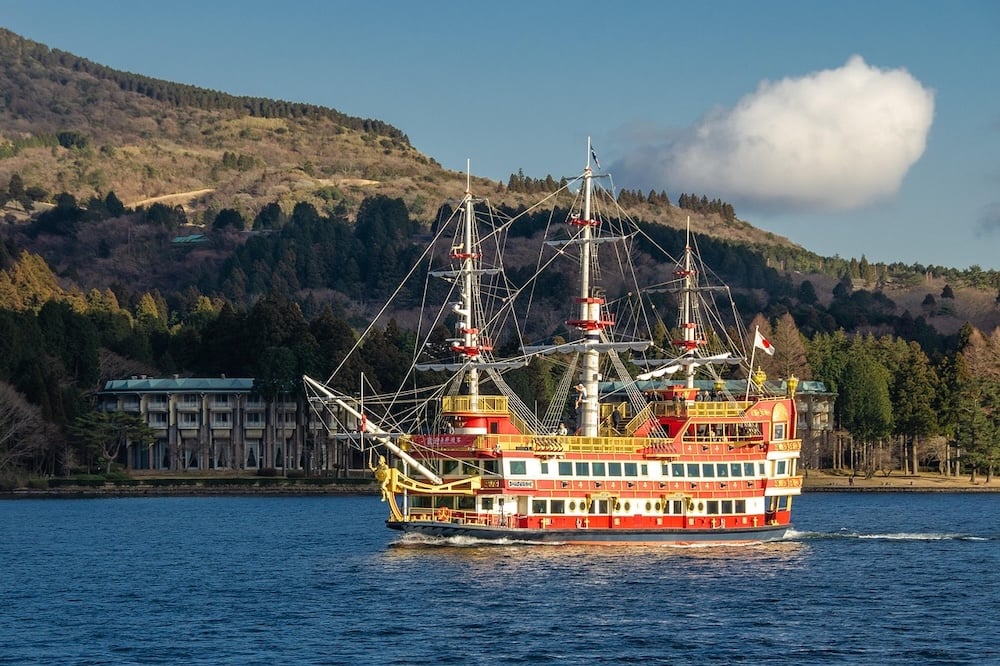
Just an hour’s train ride from Tokyo, Hakone is famous for its hot springs and incredible views of Mt. Fuji. The Hakone volcano, part of the larger Fuji-Hakone-Izu National Park, offers a rich variety of volcanic landscapes, from crater lakes to steaming vents. While it’s relatively close to major tourist centers, its geothermal features and surrounding nature make it a hidden gem for those willing to explore beyond the usual tourist spots.
How to Japan: Tips and Tricks of Solo Travel in Japan
How to Get There: Hakone can be reached easily by train from Shinjuku Station in Tokyo via the Odakyu Line. Once in Hakone, the Hakone Tozan Railway will take you through lush forests up to the crater areas. A trip on the Hakone Ropeway offers exceptional views of the volcanic landscape.
What to See and Do:
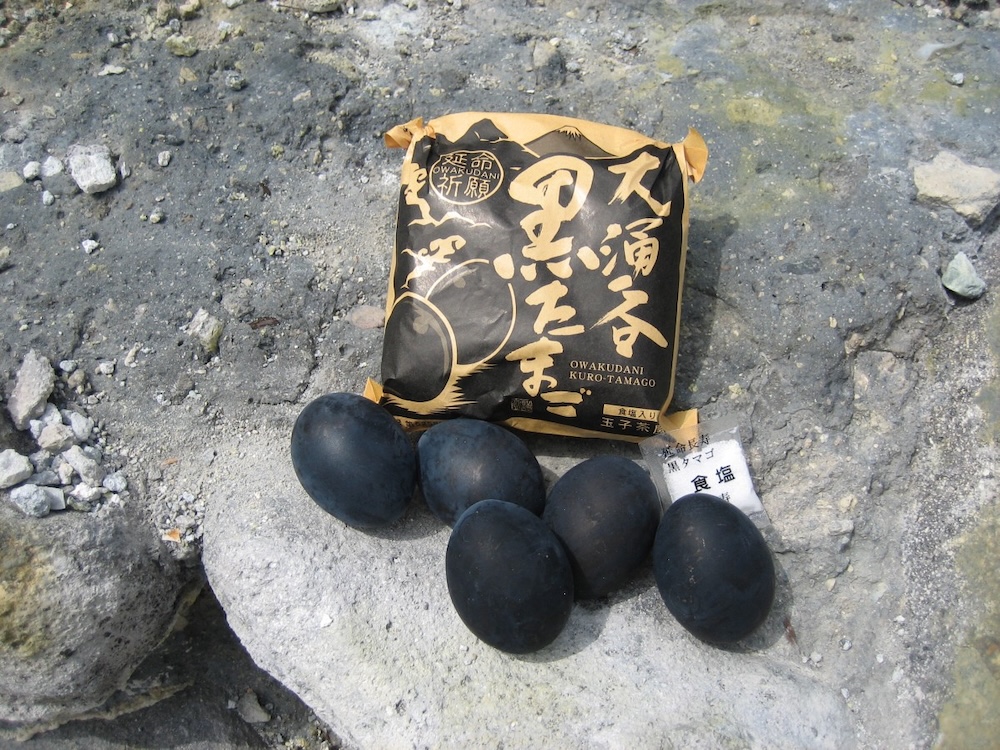
- Owakudani Valley: The valley is home to hot springs, fumaroles, and the famous “black eggs”—eggs hard-boiled in the sulfuric waters that turn their shells black. Eating one of these eggs is said to add seven years to your life.
- Lake Ashi: This scenic lake formed in a volcanic caldera offers stunning views of Mt. Fuji, and visitors can enjoy boat tours or stroll along the shores.
- Hakone Shrine: Nestled in the forests near Lake Ashi, this shrine is an ideal spot for a peaceful retreat surrounded by nature.
3. Ibusuki (Kagoshima Prefecture) 指宿・鹿児島県
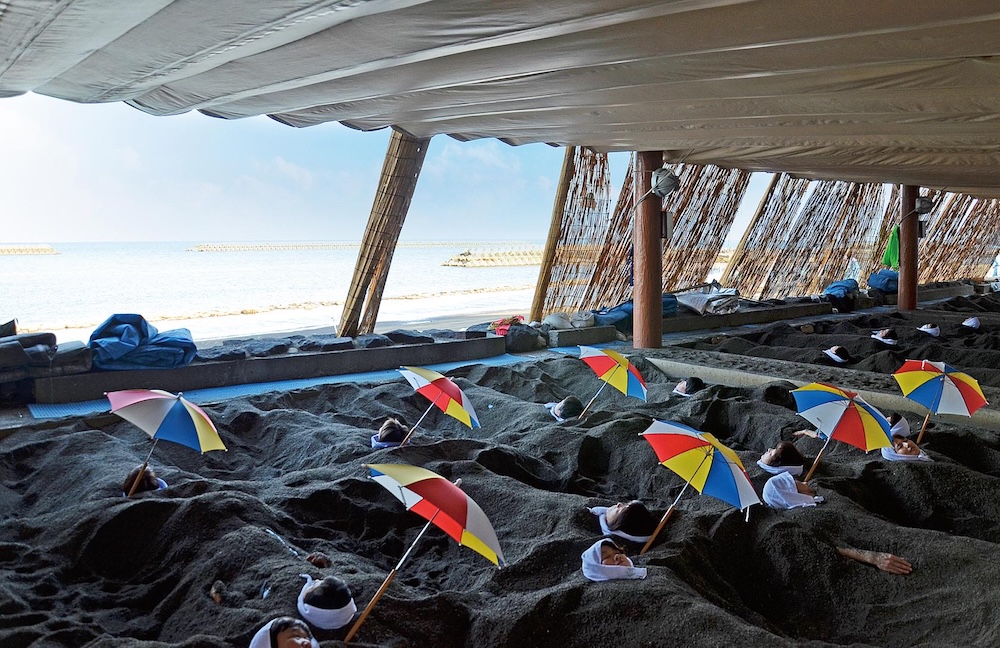
Ibusuki, located on the southern tip of Kyushu, is known for its unique hot sand baths, where visitors lie in warm, mineral-rich sand heated by the nearby active volcano, Mt. Kaimon. The volcanic activity here contributes not only to the local culture but also to the town’s distinct therapeutic offerings.
How to Get There: Ibusuki can be reached by train from Kagoshima, which is a major city in the region. From Kagoshima, it’s a 45-minute ride to Ibusuki Station. From there, local buses can take you to the sand bath locations.
What to See and Do:
- Suna-yu (Sand Baths): A visit to Ibusuki wouldn’t be complete without experiencing the famous sand baths. The warm volcanic sand is said to have healing properties, and the experience of being buried in sand while soaking up the heat of the earth is both relaxing and rejuvenating.
- Mt. Kaimon: Known as the “Mt. Fuji of Kyushu,” this active stratovolcano offers hiking trails with fantastic views of the surrounding bay and islands.
- Ibusuki Onsen: Relax in the town’s many hot spring baths, which are heated by the geothermal energy of the surrounding volcano.
4. Mount Zao (Yamagata Prefecture) 蔵王山・山形県
Mt. Zao is an active volcano located on the border between Yamagata and Miyagi prefectures. Known for its scenic beauty and the large crater lake called Okama, the mountain is a popular destination for both winter sports and hiking. The volcano’s geothermal features add a surreal atmosphere to the landscape.
How to Get There: Mt. Zao is accessible from the cities of Yamagata or Sendai. From either city, you can take a bus or a combination of train and bus to reach the mountain. In winter, there are ski lifts that bring visitors directly to the slopes and crater areas.
What to See and Do:
- Okama Crater: A stunning emerald-green crater lake located at the top of the volcano. The lake’s color varies depending on the season, and it offers dramatic views year-round.
- Zao Onsen: Nestled at the base of the mountain, this hot spring town is one of the oldest in Japan. Visitors can enjoy traditional onsen bathing after a day of hiking or skiing.
- Hiking and Skiing: Mt. Zao is known for its skiing in the winter months, but it also offers beautiful hiking opportunities in the warmer seasons, with trails that lead to the crater lake and surrounding alpine meadows.
Living in Japan: Monkeying Around in Japan: Get to Know the Japanese Macaques
Volcano Tours and Safety Tips
For those looking to explore Japan’s volcanoes, there are various guided tours available. These tours can range from day hikes to more adventurous, multi-day treks that take you across volcanic landscapes. Many tours are led by experienced guides who provide valuable insights into the history and geology of the area, as well as ensuring safety in regions with active volcanic activity.
- Always check current volcanic activity reports before visiting any volcano. Japan’s Meteorological Agency provides regular updates on active volcanoes, and it’s important to follow any evacuation or safety advisories.
- Wear appropriate footwear and gear for hiking. Volcanoes can have rugged, uneven terrain, so sturdy boots and weather-appropriate clothing are essential.
- Respect local customs and guidelines. Some volcanic areas may have restricted access to certain trails or crater areas, especially if there is heightened volcanic activity.
Recommended Onsen Towns Near Volcanoes
Japan’s volcanoes contribute to its stunning natural beauty, from lush forests and crater lakes to expansive lava fields. The geothermal heat from these volcanoes also fuels the country’s famous hot springs (onsen), many of which are located near volcanic regions. Visitors can enjoy the unique experience of relaxing in an onsen while soaking in views of towering volcanoes.
- Kusatsu Onsen (Gunma Prefecture): Located near Mt. Kusatsu-Shirane, this onsen town is one of Japan’s most famous. The hot spring waters are said to cure various ailments, and visitors can enjoy outdoor baths with views of the surrounding volcanic landscape.
- Beppu Onsen (Oita Prefecture): Situated near several active volcanoes, Beppu is renowned for its wide variety of hot spring baths, including mud baths, steam baths, and “hell” tours, where visitors can observe the boiling hot springs.
Living in Japan: Onsen Culture in Japan
Japan’s volcanoes are an integral part of the country’s culture, offering travelers a chance to connect with nature in a unique and oftentimes exciting way. Visiting these natural wonders not only provides a glimpse into the raw power of the Earth but also offers a deeper understanding of Japan’s cultural relationship with its volcanoes. So, pack your bags, lace up your hiking boots, and get ready for an adventure that brings you closer to the heart of Japan’s awe-inspiring natural beauty.