
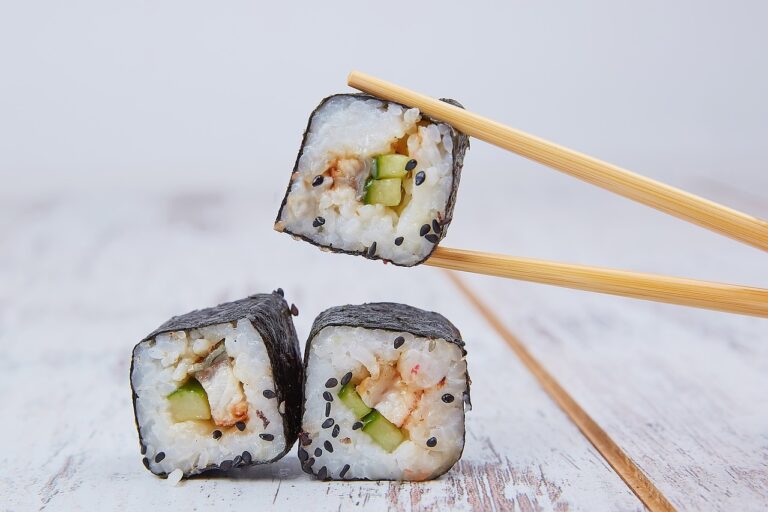
If you’ve ever found yourself the punchline when dining at Chinese, Japanese, Korean, or any other chopstick-heavy restaurant because you never quite mastered the art, don’t worry! By the end of this article, you’ll be eating like a pro. In Japan, chopsticks are an essential part of the culture, used in nearly every meal. Whether you’re a newcomer or have been living in Japan for a while, learning how to use chopsticks properly can make your dining experiences much more enjoyable (and much less embarrassing).
So let’s dive in! Here’s everything you need to know about chopsticks, from basic techniques to quirky etiquette that will help you feel like a seasoned pro at any Japanese dining table.
The Basics of Using Chopsticks
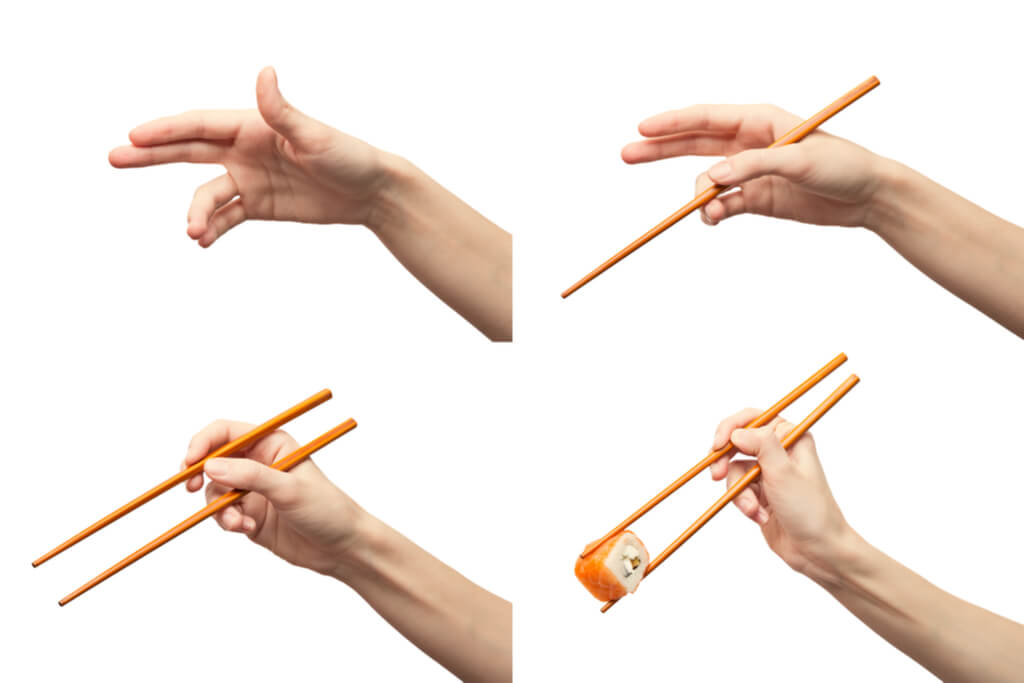
First things first: how do you hold chopsticks? It’s not as complicated as it might look, but it’s all about finding the right grip. Here’s a simple, step-by-step guide to get you started:
- Rest the first chopstick in the crook of your thumb: Hold one chopstick with your thumb and index finger, so it rests in the area where your thumb meets your hand (the crook). This is your stationary chopstick. In other words, it doesn’t move much.
- Hold the second chopstick like a pencil: With your thumb, index finger, and middle finger, hold the second chopstick like you would hold a pencil. This chopstick is the one that will do most of the moving.
- Position the chopsticks: Make sure the ends of the chopsticks are aligned. The stationary chopstick stays in place, and you move the top chopstick up and down using your fingers.
- Practice the movement: Once you’re holding them correctly, practice opening and closing the chopsticks. This movement will allow you to pick up food with precision.
Living in Japan: What’s the Proper Etiquette when Eating Sushi?
Common Mistakes to Avoid:
- Don’t grip them like a hammer: Avoid holding the chopsticks too tightly. It may sound counterintuitive, but, similar to how you were taught to hold a pencil, imagine you’re holding a delicate flower instead of a tool for construction. Not only does it look better, but you won’t risk cramping your hand.
- Don’t hold them too close to the ends: If you hold the chopsticks too far down, it will be harder to control them. Try to hold them about a third of the way from the end.
- Don’t cross your chopsticks: If you cross your chopsticks, it’s a sign of disrespect, so as tempting as it may be, try to avoid that habit! Keep them parallel to each other.
Tips and Tricks for Better Control
At first, it might feel like you’re trying to perform magic tricks with your hands, but don’t worry, everyone starts somewhere. You’ll get the hang of it! Here are a few tips and exercises that can help improve your chopstick skills:
- Start with larger foods: Begin with foods that are easy to pick up, like slices of fruit, chunks of vegetables, or even sushi rolls. These larger pieces allow you to get used to the motion without worrying about precision.
- Practice picking up rice: One of the trickiest things to master is eating rice with chopsticks. Start by trying to pick up individual grains of rice, or try eating sticky rice, which is easier to grab.
- The “Chopstick Game”: Here’s a fun exercise: try picking up small objects like beans, marshmallows, or even cotton balls. Set a timer and see how quickly you can grab 10 objects. It’s not only a great way to improve your skill but also a fun game to play with friends!
- If you’re really struggling to get the hang of them, there’s no shame in starting off with a pair of children’s chopsticks. These chopsticks are fused at the top to make them easier to control and often have rings where your thumb and index finger should go, helping you keep them in place.
- Be patient: Mastery comes with time and practice. Don’t be discouraged if you drop a piece of sushi or a bowl of noodles in your lap—everyone starts somewhere!
Living in Japan: How Ichijū Sansai Keeps Japan Happy and Healthy
How to Use Chopsticks for Different Foods
Now that you’ve got the basics down, it’s time to put your skills to the test with different types of Japanese food. Here’s how to tackle some of the most common dishes:
- Sushi: When eating sushi with chopsticks, don’t stab the fish! Instead, gently pick it up by the edges of the sushi, keeping it intact. And remember, sushi is often served with the rice facing up—this allows you to dip the fish into soy sauce without getting the rice soaked. Avoid dipping rice into soy sauce; it’s a chopstick no-no!
- Noodles: For noodles, you’ll want to practice a gentle flicking motion to gather up the noodles, rather than stabbing them. When you’re eating ramen or soba, it’s okay to slurp (loudly!)—it’s part of the experience. Just be sure to do it with style.
- Rice: For rice, use your chopsticks to gently scoop a small portion from your bowl and transfer it to your mouth. Don’t stab at the rice or hold it too tightly.
- Tempura: When eating tempura (battered and fried foods), pick up the pieces with the tips of your chopsticks. Be careful not to crush the crispy coating!
- Pickles and Side Dishes: Japanese pickles (tsukemono) and small side dishes are often served with meals. You can pick up these foods using a light pinch between the chopsticks, making sure not to crush them.
Living in Japan: How to Eat a Proper Japanese Meal Like a Local
Chopstick Etiquette
Japan takes its chopstick etiquette seriously, and there are a few important rules to follow to avoid looking like a total novice:
- Don’t stick your chopsticks upright in a bowl of rice: Perhaps one of the most common no-nos to see on one of these lists, but still worth mentioning. Sticking chopsticks upright in a bowl of rice resembles a funeral custom, where chopsticks are stuck upright in a bowl of rice for ceremonial purposes. It’s considered highly disrespectful.
- Don’t pass food from one set of chopsticks to another: This is another act with funeral connotations, so try to avoid doing this in a public setting. If you’re sharing food, pick up your food and place it on someone’s plate rather than passing it directly between chopsticks.
- Don’t point with your chopsticks: This is considered rude, and pointing at others with your chopsticks is definitely a cultural faux pas. Keep them pointed down when not in use.
- Don’t hover your chopsticks over your food: If you’ve picked up a piece of food, don’t keep the chopsticks hovering over your bowl like you’re trying to decide. Just eat it already!
- Chopstick rest: When not using your chopsticks, it’s polite to place them on a chopstick rest (hashioki). This keeps the tips off the table and gives them a designated spot. If you’re eating at a restaurant that gives you a pair of disposable chopsticks in a paper holder, you can even make your own by folding the paper into a little triangle!
Conclusion
Mastering chopsticks takes time, but the more you practice, the more confident you’ll become. Just remember, the key is patience… and maybe a few embarrassing moments along the way (but don’t worry, we’ve all been there). Before you know it, you’ll be eating sushi with the grace of a ninja, and without dropping anything on your lap. And remember, if all else fails, you can always ask for a fork and knife!
Living in Japan: Kaiseki Ryōri: The Art of Japanese Haute Cuisine