Congratulations! Discovering that you’re pregnant is an exciting and life-changing event, but when you’re living in a foreign country, it can feel overwhelming. Japan has a structured healthcare system that ensures expectant mothers receive thorough prenatal care, but it also comes with its own set of rules and customs that may be unfamiliar to foreigners. From your first doctor’s visit to hospital selection and postnatal care, this guide will walk you through every essential step to help you navigate pregnancy in Japan with confidence.
Step 1: Confirming Your Pregnancy at a Women’s Clinic
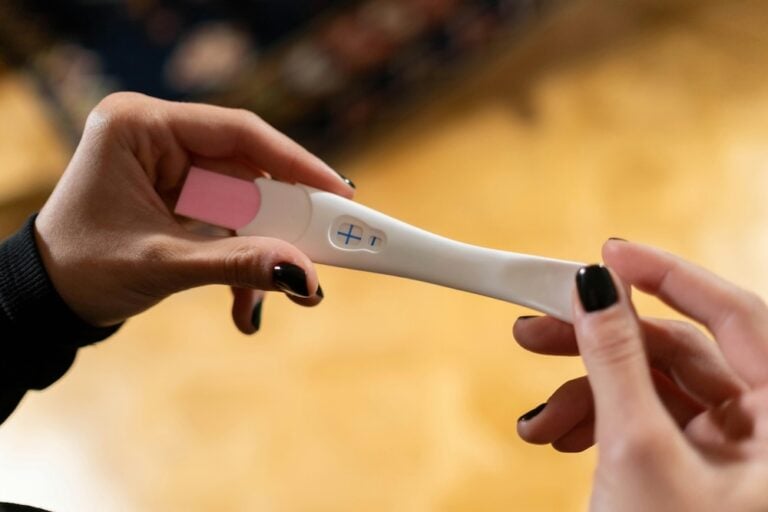
Once you’ve taken a home pregnancy test and received a positive result, the next step is to visit a gynecologist. In Japan, these clinics are called 婦人科 (fujinka) or 産婦人科 (sanfujinka). The key difference between the two is that a fujinka specializes in women’s health but does not handle childbirth, while a sanfujinka covers both pregnancy checkups and delivery.
Living in Japan: My Experience Having a Baby in Japan as a Foreigner
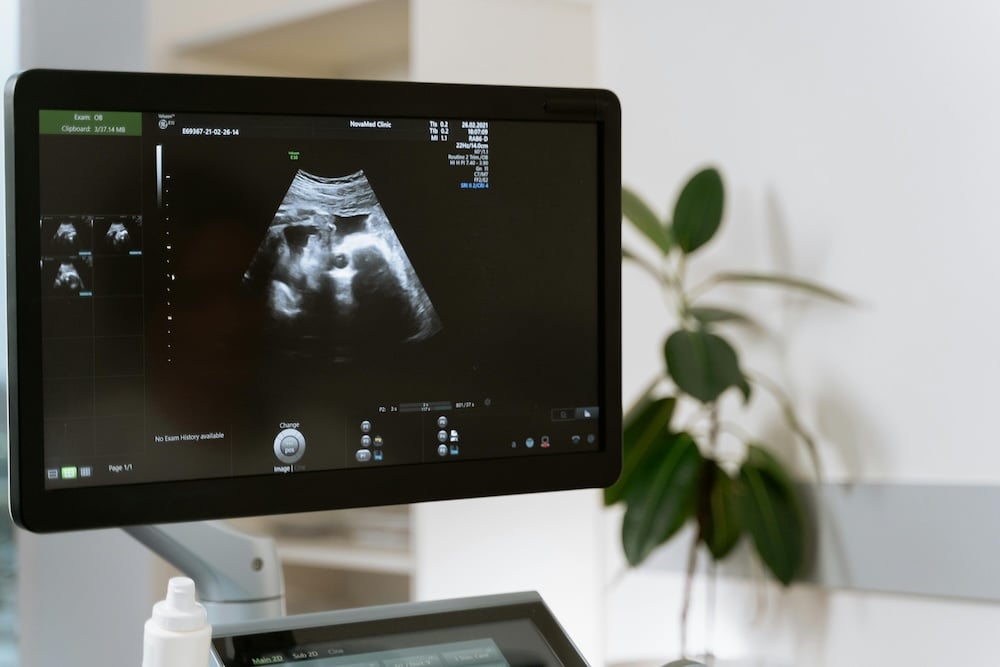
To avoid unnecessary clinic transfers later on, many women prefer to start with a sanfujinka from the beginning. Your first visit usually takes place around 6-7 weeks of pregnancy, where the doctor will confirm the pregnancy through an ultrasound, check your overall health, and provide an estimated due date. If you are at least 8 weeks along, the clinic will issue a pregnancy confirmation document (妊娠届出書), which is necessary for registering your pregnancy at city hall.
Step 2: Registering Your Pregnancy at City Hall
Once you have your pregnancy confirmation document, visit your local city hall (区役所 or 市役所) to officially register your pregnancy. This step is crucial as it allows you to access essential government benefits and receive important documents. At city hall, you will be given a Mother and Child Health Handbook (母子手帳), which will be used to record medical checkups and track your baby’s development throughout your pregnancy and even after birth. Some city halls offer an English version of this booklet, so be sure to ask if one is available.
Living in Japan: One-Stop Guide to Sexual Health in Japan
Additionally, you will receive medical checkup vouchers that help cover the cost of prenatal care, significantly reducing out-of-pocket expenses. City hall also provides information on parenting classes, financial support programs, and various benefits available to expectant mothers. Another item you will receive is the Maternity Mark (マタニティマーク), a small keychain or badge that signals to others that you are pregnant. Many women attach this to their bags, as it encourages people to offer them seats on public transportation or be more mindful in crowded areas.
Step 3: Choosing a Hospital or Birthing Center
Not all clinics that offer pregnancy checkups provide delivery services, so you may need to transfer to a hospital or birthing center as your pregnancy progresses. It is essential to start researching options early, as some hospitals require advance reservations, especially if you plan to give birth in a facility that offers epidurals, which are not as commonly used in Japan as in some Western countries. There are three main types of facilities to consider:
- Large public hospitals (e.g., Red Cross Hospitals, university hospitals): These hospitals have advanced medical equipment, NICUs (neonatal intensive care units), and specialized care in case of complications. They are ideal for high-risk pregnancies and provide a greater level of medical security. However, they may be less flexible in terms of personalized birth plans.
- Private clinics and smaller hospitals: These facilities tend to have a more personalized atmosphere, shorter wait times, and more flexibility regarding birthing preferences. Some allow alternative birthing methods such as water births or natural labor approaches. However, they may lack the advanced medical equipment available in larger hospitals, meaning that in case of complications, a transfer to a bigger facility might be necessary.
- Birthing centers: Midwife-led centers focus on natural births and provide a more home-like environment. They do not administer epidurals, so they are best suited for women who prefer a drug-free birth.
If you are considering getting an epidural, it’s crucial to confirm whether the hospital has an anesthesiologist on staff, as not all hospitals provide this service. Some facilities also require pre-registration for epidurals well in advance, sometimes by the end of the second trimester.
Living in Japan: Understanding Maternity Leave in Japan
Step 4: Prenatal Care in Japan
Pregnancy checkups in Japan are highly structured and frequent, ensuring that both the mother and baby receive consistent medical attention. Checkups typically occur once a month during the first and second trimesters, increasing to biweekly or weekly visits in the final months. Unlike in some Western countries where ultrasounds are done only a few times during pregnancy, Japan provides ultrasounds at nearly every visit, allowing parents to track their baby’s growth more closely. Many clinics also offer 4D ultrasounds for free, with the option to download video clips onto a smartphone.
Though most checkups are covered by city hall vouchers, some tests may require additional fees, including blood work, genetic screening, and specialized examinations. Be sure to bring your Boshi Techo and vouchers to each appointment to minimize costs. Additionally, if you experience severe morning sickness, some doctors recommend hydration methods such as lemon water or electrolyte drinks. If symptoms become extreme, hospitalization for IV fluids may be necessary.
Living in Japan: What to Know Before your First OBGYN Appointment in Japan
Step 5: Preparing for Birth and Postnatal Care
As your due date approaches, preparing for the hospital stay and postnatal care is essential. In Japan, hospital stays after birth are typically longer than in Western countries, averaging around five to seven days, even for uncomplicated vaginal deliveries. During this time, nurses provide postnatal checkups, lactation support, and baby care education. Unlike some countries where babies stay in the mother’s room, in Japan, babies are often kept in a nursery, with scheduled feeding times. If you prefer rooming-in with your baby, check if your chosen hospital offers this option.
After birth, you must register your baby’s birth at city hall within 14 days and apply for health insurance and a My Number Card for your newborn. Vaccination schedules and child healthcare checkups will also be provided, ensuring continuous medical care for your baby.
Living in Japan: How to Find Feminine Hygiene Products in Japan
Finding Support Networks and Community Resources
Pregnancy and parenting in Japan can feel isolating if you don’t speak the language, but many resources exist to support foreign parents. Joining expat parenting groups can provide invaluable information and emotional support. Some useful communities include:
- Tokyo Pregnancy Group (Facebook) – A great resource for foreign mothers in Japan.
- Tokyo Mothers Group – Offers meetups, advice, and secondhand baby items.
- Tiny Tot in Tokyo (blog) – Features personal experiences and tips on pregnancy and parenting in Japan.
- Tokyo Doula Support – Provides birth support and labor coaching.
While being pregnant in Japan can seem daunting, the country’s well-organized healthcare system ensures comprehensive prenatal care and support. The most important steps are early registration, choosing a hospital that fits your birth plan, and taking advantage of available government benefits. Although some cultural differences, such as limited epidural options or nursery-style postnatal care, may require adjustment, Japan remains one of the safest places to give birth. If you’re feeling overwhelmed, reaching out to expat communities and pregnancy support groups can make a significant difference in your journey. Wishing you a smooth and healthy pregnancy in Japan!