

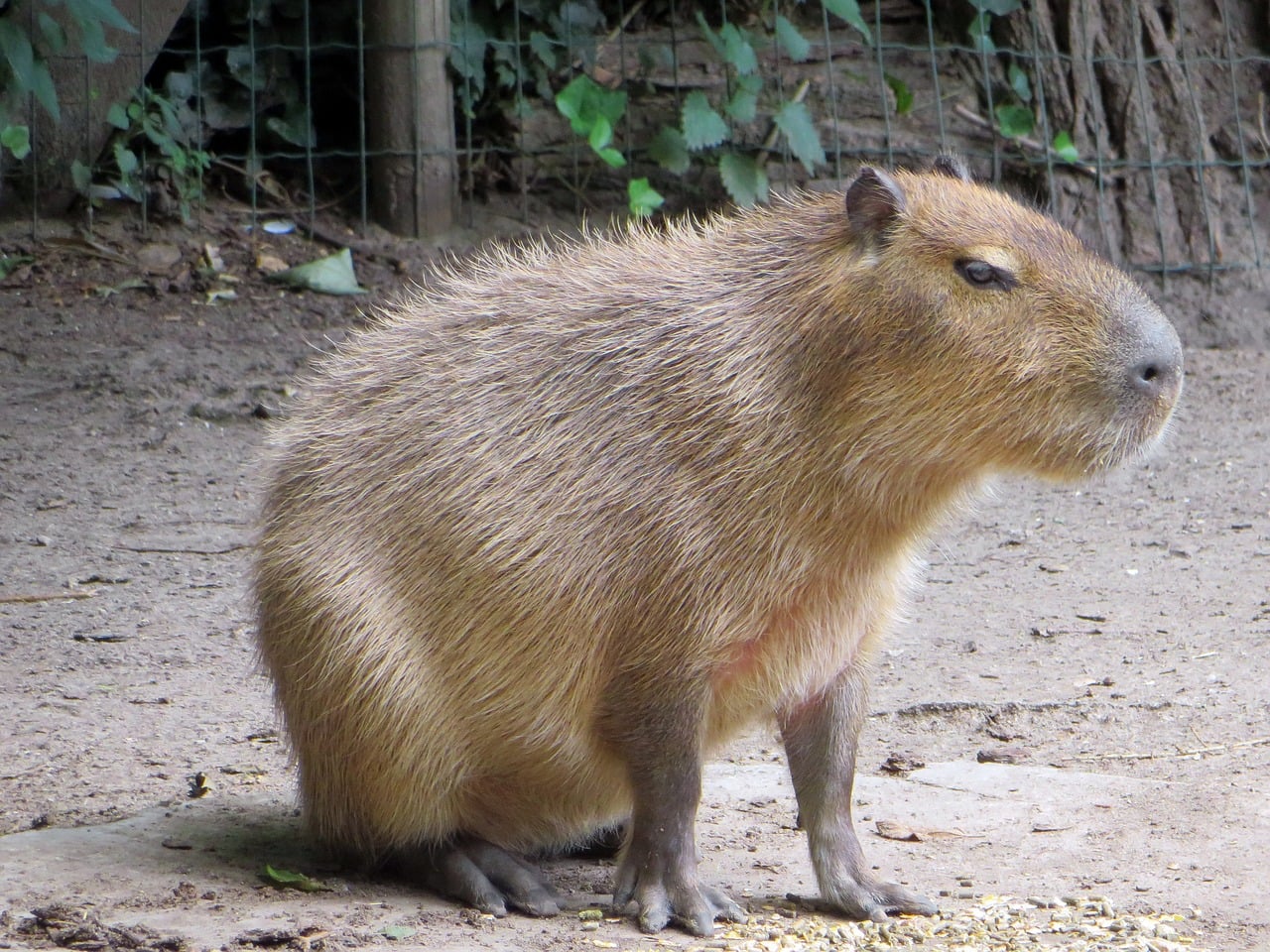
In a country known for its love of cute mascots and animal cafés, the capybara has emerged as one of Japan’s most unexpected icons. These giant, semi-aquatic rodents—native to South America—have won over the Japanese public with their laid-back personalities and endearing looks.
Once an exotic zoo attraction, capybaras are now featured everywhere, from hot springs to viral videos, and even appear on merchandise such as plush toys and stationery. Their rise in popularity is not just about cuteness, as it also reflects Japan’s appreciation for relaxation, harmony with nature, and the concept of iyashi (癒し, healing). The capybara phenomenon also offers a glimpse into Japan’s unique animal obsessions and the deeper cultural values that shape them.
Cute animals and mascots have long been a staple of Japanese culture. From the hamster-anime Hamtaro to anthropomorphic eggs like Gudetama, there is no shortage of kawaii (可愛い) here. It was only a matter of time, therefore, before capybaras would be adopted by the Japanese “cute” craze.
Living in Japan: Your Complete Guide to Bringing Pets to Japan
As the world’s largest rodents, capybaras come from the wetlands of South America, where they thrive in warm, water-rich environments. Their journey to Japan began in the 1960s, when they were first introduced to zoos the same way any other interesting animal would be. Initially, capybaras were just another foreign animal in Japan’s growing zoo networks. Many people still weren’t even aware of their existence. However, over time, their laidback temper, cute features, and love of warm water made them popular, gradually earning them a special place in the hearts of the Japanese people.
Why Capybaras?
Capybaras’ appeal in Japan is rooted in their calm demeanor and their embodiment of the concept of iyashikei (癒し系), which refers to a person or thing which imparts feelings of healing and comfort to those around it. In a country where stress and overwork are fairly common for its residents, these qualities are highly sought out. So much so that singles looking for a partner often cite iyashikei as a top quality to find. As you can probably imagine, It is a compliment in Japanese, so if you are ever described using this word, wear it proudly!
Living in Japan: Ethical Wildlife Experiences in Japan
Since stress relief is often sought through soothing imagery, capybaras are seen as a prime example of this iyashikei antidote. With their slow movements and love of lounging in warm water, they serve as the perfect symbol of relaxation, and their social and friendly nature resonates with Japanese values of harmony and group living. Not to mention they are objectively cute animals!
Soaking in Serenity
Speaking of lounging in warm water, the capybara’s connection to onsen (温泉) culture further deepens their relatability to the Japanese, and was likely what brought them to the fore of Japan’s consciousness. This practice began in the 1980s at Izu Shaboten Zoo, where capybaras were once seen soaking in a puddle that had formed from the hot water being used to clean their enclosure. The employees saw this as a way for zoo visitors to connect with the capybaras.
Living in Japan: Monkeying Around in Japan: Get to Know the Japanese Macaques
Eventually, they were given their own private onsen bath. Since then, this practice has spread to zoos across Japan, where capybara can be seen enjoying the warm water throughout the year. Competitions have even been organized in which capybaras from onsen around the country are timed for how long they stay in their bath. The winner is whoever stays to soak the longest. The 2023 winner from Nasu Animal Kingdom in Tochigi Prefecture (栃木県) soaked for a whopping 3 hours, 40 minutes and 29 seconds!

Where to See Capybaras in Japan
For those eager to experience the capybara phenomenon firsthand, several zoos and parks across Japan offer unique opportunities to interact with these gentle creatures.
- Izu Shaboten Zoo (Shizuoka) – The birthplace of the capybara onsen tradition, this zoo lets visitors watch capybaras blissfully soaking in hot springs during the winter months.
- Nagasaki Bio Park (Nagasaki) – One of the best places for hands-on interaction, where visitors can feed and even pet free-roaming capybaras.
- Nasu Animal Kingdom (Tochigi) – Features a large capybara enclosure with seasonal onsen baths and feeding experiences.
- Saitama Children’s Zoo (Saitama) – Known for its interactive capybara exhibit, offering feeding sessions and a chance to see capybaras up close.
Something to keep in mind about Japanese zoos and animal cafés is that, when visiting capybaras in Japan, animal welfare standards may differ from what some Western visitors are accustomed to. Japan’s laws regarding animal care are not always as stringent, and some zoos or animal cafés might not meet the expectations of those who prioritize strict ethical standards. While many facilities do their best to provide a good environment for their animals, it’s important to be mindful of these differences. Keeping an open mind is key, but of course, visiting these establishments is entirely a personal choice.
Living in Japan: What’s the Deal with Maid Cafes in Japan?
Capybaras Beyond the Physical Realm
Capybaras’ fame extends beyond the physical and into Japanese media. By 2005, this giant rodent had become so popular that a plush toy called Kapibarasan was created. Designed to be irresistibly cute, Kapibarasan fit perfectly into Japan’s love for yurukyara (ゆるキャラ, Japanese mascots/characters) like Rilakkuma and Kumamon. The character became a hit, and its success sparked a surge in capybara-themed merchandise. These ran the gamut from plush toys to stationary to keychains. Additionally, in 2020, an anime centered around the escapades of Kapibarasan was created.
Capybaras are more than just an animal obsession in Japan because they embody qualities that are deeply cherished in Japanese society, such as relaxation, harmony, and the pursuit of comfort. From their media presence to the wide range of merchandise and themed experiences, capybaras have captured the hearts of both Japanese people and international fans. For foreigners in Japan, the capybara phenomenon offers a fun and unexpected way to connect with Japanese culture, providing insight into the country’s values of stress relief, simplicity, and kawaii aesthetics.
Living in Japan: A Flair for the Exotic: Chiba-based Rescuer Saves One Animal at a Time