Whenever I go home to visit family for the holidays, my first venture out of the house is always filled with surprising moments. I am often sharply reminded of small talk at the checkout counter, huge portion sizes when dining out and much higher prices, well, pretty much anywhere.
While some of these differences feel welcoming and almost make me miss living there, many of them likewise remind me of what Japan does better than my country, but also much of the world. Here are some aspects which are, in my opinion, many times better than abroad.
Transportation
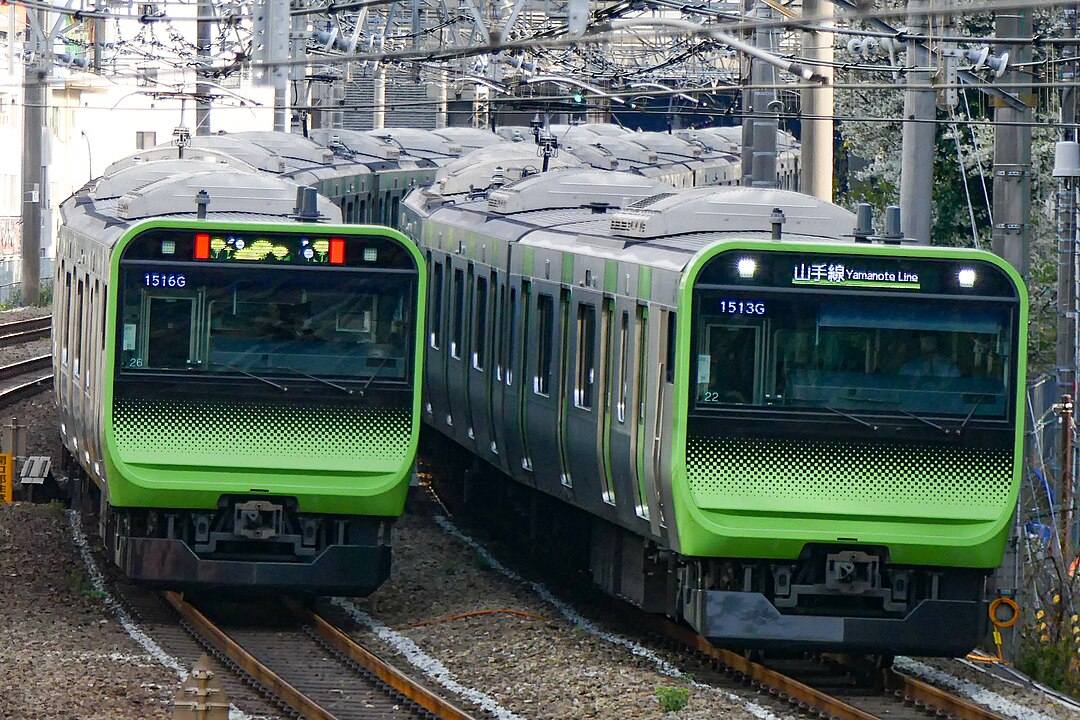
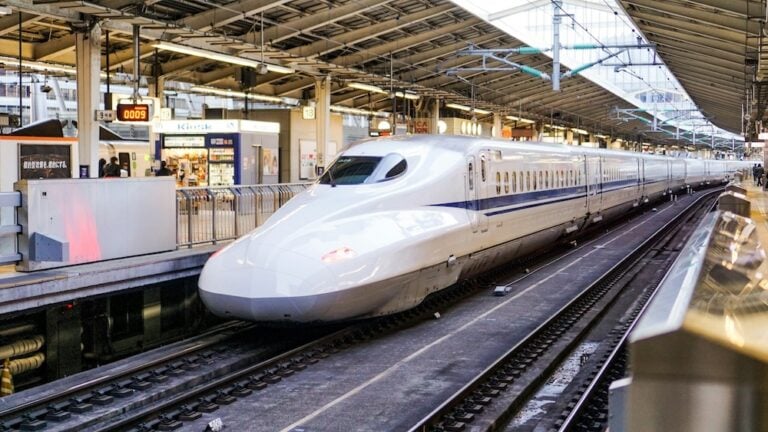
Think of anywhere you want to go in Japan, and there is likely a way to get there without a car. Unless you’re venturing into the middle of nowhere (places like this are few and far between in Japan, anyway), the robust transportation system can probably get you there—or, at least, within a 20-minute walk.
This convenience is thanks to the transportation system as a whole, of course. Whether I’m traveling by train, bus or plane, I’ve never regretted not owning a car in Japan. Japan’s bullet train system is famous for a reason, as it can get you from point A to point B in record time without the hassle of security checks found in airports. Additionally, in its over five decade-history, it has never had a fatal accident. Although it might be cheaper to drive in some cases, the fact remains that the trains will get you there faster and safer.
How to Japan: The History of the Shinkansen, Japan’s Fantastic Bullet Train
Even the flying experience in Japan is nicer! Although passengers must pass through security, if you are flying domestic, there’s little more to it than dropping your bag to be x-rayed and walking through a metal detector. No need to remove shoes, electronics or liquids. Speaking of liquids, there are few restrictions on sizes with which you may travel. I have taken a full metal water bottle with me on countless flights and have simply either been asked to take a sip or show the security agents the contents. The first time I walked through security and didn’t have to chug a full water bottle before going through was surreal.
Some items are still restricted when traveling by plane, such as knives of any kind (including pocket knives), so it’s still a good idea to familiarize yourself beforehand.
Solo Dining Out
In most parts of the world, dining out is seen as a communal activity. It is an opportunity to see friends, convene with colleagues and enjoy the ambiance of the establishment in the company of others. In Japan, you are still welcome to use dining out as an excuse to do all of these things. In fact, nomikai (飲み会)—(usually work) drinking parties—can be found in most restaurants on a Friday or Saturday evening.
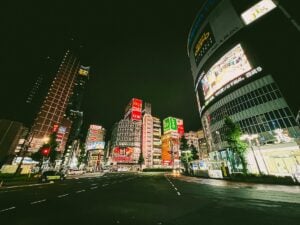
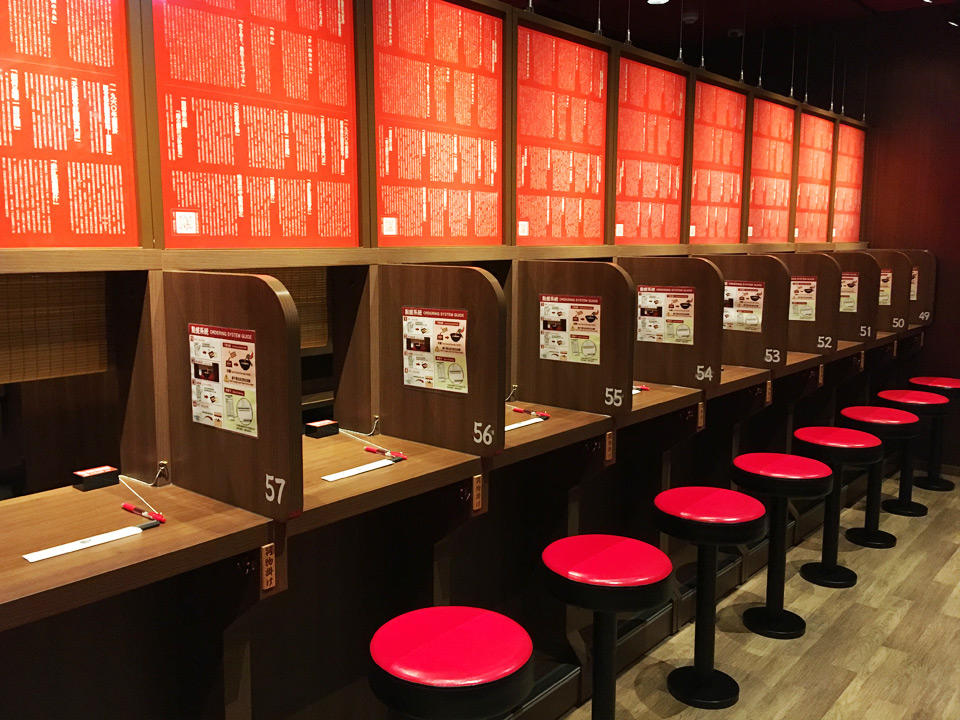
However, unlike American sitcoms like Friends or Frasier would have you believe, solo dining does not have the same stigma seen in these shows. It is quite common to see solo diners in any restaurant you visit, and the layout of most restaurants seem to take this fact into consideration. Take a walk around many Japanese cities or towns and you’ll often see establishments set up along the sidewalk with exclusively simple bar seating—perfect for some late-night noodles alone.
Speaking of noodles, ramen is one of the quintessential solo meals in Japan, since it’s usually eaten quickly and therefore doesn’t lend itself well to a drawn out social gathering between two people. Ichiran (一蘭) has gained much notoriety for its individual cubicles and minimal interaction with employees. But the options for solo dining in Japan don’t end there! Shabu shabu (しゃぶしゃぶ) and yakiniku (焼肉) )are just a couple of the many kinds of eateries that offer options geared towards people eating alone.
Safety (Road and Otherwise)
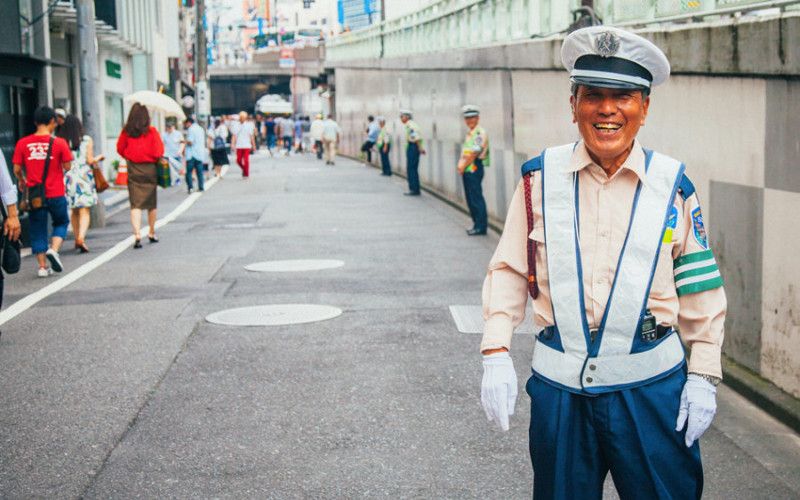
Road safety has not always been a success story in Japan. In the 1960s, road fatalities were actually six times higher than in 2021. On a personal level, I can attest to feeling much safer on Japanese roads than I do back home in the US. No street parking, lower speed limits and generally smaller-sized vehicles called kei (軽) cars all contribute to both driver and pedestrian safety.
Strict regulation surrounding drinking and driving is one aspect of road safety that Japan doesn’t make exceptions for and, consequently, contributes to even greater road safety. I was surprised when, at my first work nomikai, a number of people who had driven cited this fact as the reason they couldn’t have even one drink at the beginning of the night.
Living in Japan: New Laws for Bicycles in Japan Effective 2026
What I didn’t realize at the time was that Japan’s legal blood alcohol content level is a mere 0.03%. For many people in Japan, that’s less than one drink. This means that, for all intents and purposes, people don’t drink at all if they will be driving that evening (and sometimes even the next morning). In some ways, the psychology of this makes it easier than limiting yourself to one drink.
“Dollar” Stores
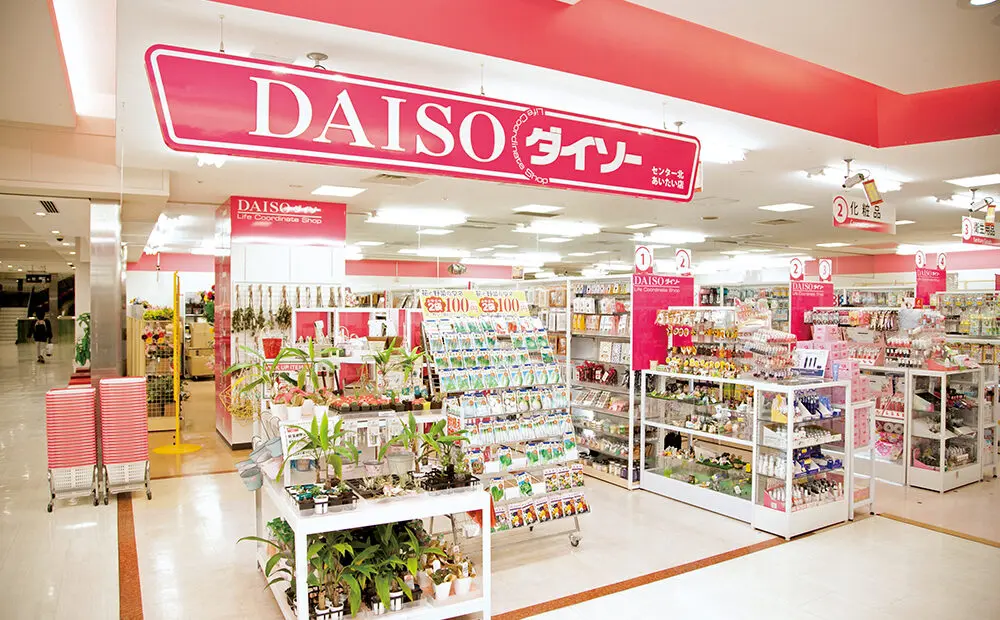
Known as hyaku-en shoppu (百円ショップ), or more colloquially as hyakkin (ひゃっきん), these godsends have nearly any item you could need—or didn’t realize you needed—no matter how random it may be. They are an invaluable part of Japanese life for residents, much more so than I ever found the dollar store to be back home. Their product variety is astounding: you’ll find kitchen accessories, cleaning supplies, storage solutions, stationery, arts and crafts materials, gardening tools, cosmetics, snacks, and even emergency clothing items like undershirts or socks. Unlike their dollar store counterparts in the US, the quality at hyakkin like Seria, Daiso or CanDo often rivals that of the name brand version.
Living in Japan: Essential Items to Start Living in Japan That You Can Get from the 100 Yen Store
Another highlight is the seasonal items these stores stock. During cherry blossom season, you’ll find sakura-themed decorations and tableware, while in the winter, you can pick up everything from festive lights to cozy socks. Hyakkin shops are also a lifesaver for travelers, offering travel-sized toiletries, portable storage solutions, and inexpensive souvenirs. With most items priced at ¥100 (plus tax), it’s no wonder these stores are such important parts of everyday life in Japan.
Presentation
If there’s one thing that anyone who has visited Japan can agree on, it’s that Japan does presentation better than anywhere else. Japan is famous for being meticulous and supremely detail-oriented. From the way your meal will be served in a restaurant to buying a gift for a friend at the department store, Japan blows the rest of the world out of the water. Ordering from a McDonald’s in the US, I usually assume that whatever I order will bear no resemblance to the picture that I saw on the menu. I never experienced this when eating out at Japanese restaurants—fast food or not. And although the food back home often tastes delicious, having the food look as delicious as it tastes undoubtedly elevates the whole experience of dining out.
Living in Japan: Discovering the Depachika Food Halls
This commitment to presentation extends to retail products as well. Items are often packaged with such precision and creativity that you almost don’t want to unwrap them. Whether it’s a box of sweets or a simple household item, Japanese packaging often combines practicality with elegance. The way department store employees wrap a gift, for example, and finish it off with a beautiful bow is so precise that it almost feels like you’re watching a performance.
Japan’s unique approach to everyday life highlights the country’s incredible attention to detail, efficiency, and cultural values. From its seamless transportation systems and vibrant solo dining culture to the safety-conscious mindset and high-quality offerings at ¥100 shops, Japan takes seemingly ordinary aspects of life and elevates them to something extraordinary. The meticulous focus on presentation in every corner of Japanese life—whether in food, retail, or experiences—showcases a deep-rooted respect for beauty and harmony. These facets combine to make Japan a fascinating and inspiring place to live, where even the smallest details are crafted to enhance daily life.