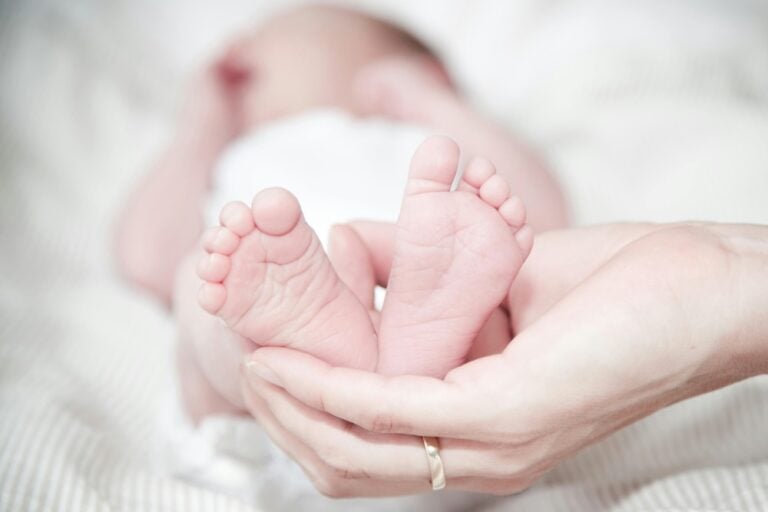
Having a baby in Japan can be reassuring and overwhelming at the same time. The country has a well-structured healthcare system, clean hospitals, as well as generous subsidies for new parents. But the experience also comes with paperwork, a somewhat complicated system, and customs that may be largely unfamiliar to many foreign residents. Whether you’re planning for your first child or just curious about how Japan supports new parents, here’s a comprehensive guide covering everything from paperwork to parenting products.
If you just found out you are pregnant, click on this article to learn more about what primary steps to take.
Before Birth: What to Prepare
1. Boshi Kenko Techo (Mother and Child Health Handbook)
As soon as your pregnancy is confirmed, visit your local ward or city office to register it and receive the Boshi Kenko Techo. This booklet tracks your prenatal appointments, baby’s vaccinations, and development milestones. Bring it to all doctor visits.
2. Maternity Checkup Coupons
Alongside the booklet, you’ll get a set of coupons (kenshin jushinhyo) that significantly reduce the cost of prenatal checkups, which aren’t covered by National Health Insurance. These usually cover several visits, blood work, and basic scans.
3. Local Government Support & Points
Many wards within Tokyo offer up to ¥100,000 in parenting points which can be exchanged for baby goods and supplies. Some even provide an extra ¥100,000 in cash or additional support services depending on the circumstance. Head over and ask your city hall about pre-birth programs and applications you can file in advance as soon as possible.
4. Attend a Birth Orientation Hospitals and Clinics
Japan often host free birth orientations for expecting parents. These extremely helpful sessions cover everything you should expect during labor such as what to bring, and how postnatal care works in that facility. These spots fill up fast, so it’s best to book as early as you can so you don’t miss a spot.
5. Consider Postpartum Help Early
Some wards subsidize cleaning services or in-home midwives after birth and can be applied for before the baby arrives. You may ask about postpartum doula visits or babysitting subsidies, often available for as little as ¥1000 per hour. Most wards have different services so it is best to consult them directly for the most accurate information being offered at your area.

Paperwork After the Baby is Born
1. Register the Birth (Shussei Todoke)
You have 14 days to file the birth at your local ward office and the hospital usually provides a form. If one or both parents are non-Japanese, extra documentation might be required depending on your nationality. Also, don’t forget to fulfill your obligations of updating immigration and applying for a valid residence card for the baby if you are both non-Japanese. Foreign parents also need to report the birth to their home country’s embassy. Some embassies require both parents and the baby to appear in person so check with your embassy or consulate early.
2. Enroll Your Child in Health Insurance
If you’re on National Health Insurance, enroll your baby within 14 days of birth as this will also allow you to claim a refund for the delivery lump sum (childbirth and childcare lump-sum grant), typically around ¥420,000 or above.
3. Apply for Jido Teate (Child Allowance)
The monthly child allowance ranges from ¥10,000 to ¥15,000 per child, depending on their age and your household income as well as the prefecture you live in. Rates may be different if you live in Tokyo or in a small suburb in Saitama. This monthly benefit continues until the child turns 15 or may be reduced as the child ages. Applications for child subsidy are usually processed at the ward office.
4. Inform Your Landlord or Guarantor
Some rental contracts require you to inform the building owner or guarantor when a new person moves in, including newborns. They may ask for documentation, such as the birth certificate or health insurance card so it is best to have these ready for certain situations that urgently require you to provide the complete paperwork.
Baby Essentials in Japan
Japan has an abundance of baby products found on the shelves of most supermarkets and drugstores, but not all are created equal. These are some of the brands and items that are often recommended by local parents:
1. Pigeon
A reliable Japanese brand for bottles, pacifiers, grooming tools, and breastfeeding supplies. Widely available in pharmacies and baby stores.
2. Pampers with 背中キャッチャー (Back Catcher)
A specific design that prevents blowouts. Many parents swear by them.
3. Tanita Infrared Thermometer
Quiet and contactless, useful for checking temperatures while the baby sleeps. Available at Matsu-Kiyo and other drugstores.
4. Haakaa or Ladybug-style Breast Pumps
Non-electric, silicone-based pumps that are easy to clean and use hands-free.
5. Inflatable or Plastic Bathtubs
Plastic versions offer more stability, while inflatable ones are easier to store and use for washing.
6. Futon Mat (120cm x 120cm)
Great for naps, tummy time, or just laying the baby down safely while you are folding fresh clothes.
7. Waterproof Changing Pads & Ikea Changing Tables
Look for tables where the baby faces you (not sideways). More ergonomic, especially in small apartments.
8. Nose Suction Tools
Pigeon or electric models which are usually needed around month 2 or 3 when babies suffer from congestion.
9. Playmats and Mobiles
Bright colors and dangling toys help stimulate newborn vision and movement. These can be found at Akachan Honpo, Nishimatsuya, or online.
Are You Ready for A Baby?
Japan offers an impressive level of support for new parents, from structured and worldclass hospital care to government subsidies. While the process can feel intimidating at first, especially with language barriers and endless paperwork, there are countless resources available online to help you navigate your new life while expecting for your new bundle of joy to come.
Parenthood in Japan may come with its challenges, but with the right preparation, it can be a rewarding experience rooted in safety, community, and care.