If you are new in Japan, you may share the sentiment of a few other people who find Japanese supermarkets to be quite confusing at first. Even people who have lived in Japan for years often remember how overwhelming their first grocery shopping experience felt. Nothing is necessarily difficult, but many small details are different from what foreigners expect.
On top of that, these differences are rarely explained, so most people learn through observation and trial and error. If you are not very knowledgeable when it comes to Japanese ingredients/vegetables or condiments and struggling with reading a few complex kanji characters, then it could make things a lot harder. Understanding how Japanese supermarkets work can make daily life much easier and help you shop with more confidence.
Milk and Juice Labels Are Not Always Obvious
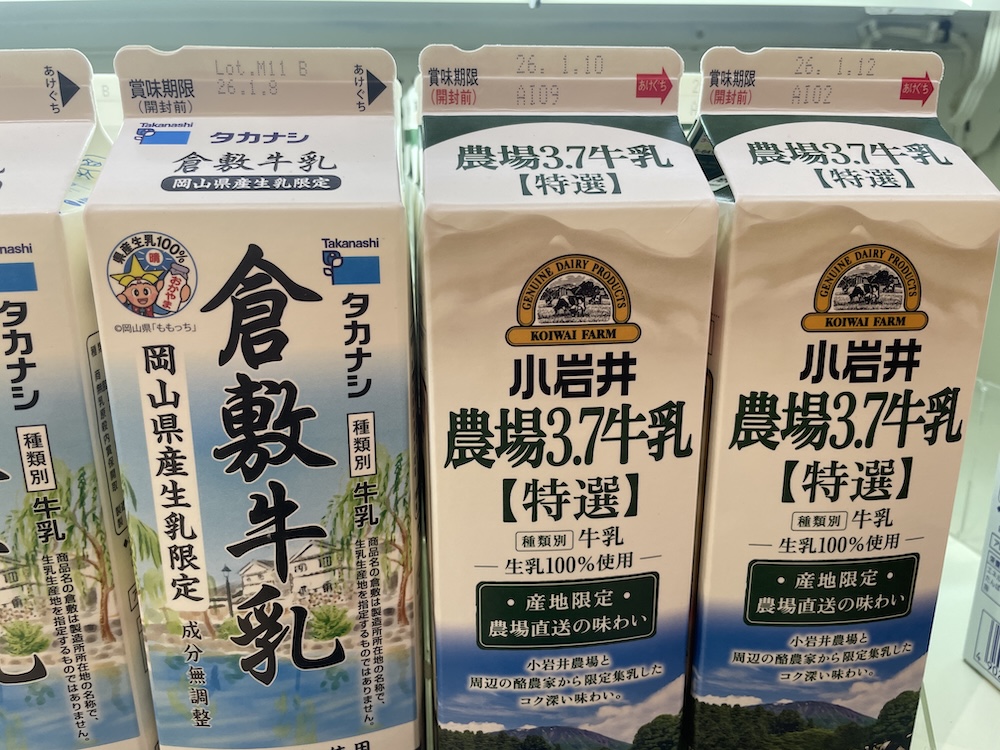
One of the most common sources of confusion is milk. If you go to the milk aisle, you will see an array of brands, sizes and types ranging from whole milk, low fat milk, or nonfat milk. In Japan, milk cartons with a dented or indented top usually indicate whole milk, while cartons with a flat top are often low-fat, reduced-fat, or yoghurt and processed milk.
The difference is subtle and easy to miss if you are not familiar with the system as it is not explicitly explained at the supermarket, and even a lot of foreigners who have been in Japan for years may not be aware of this. The purpose of this is to help shoppers who have visual disabilities to find what they need.
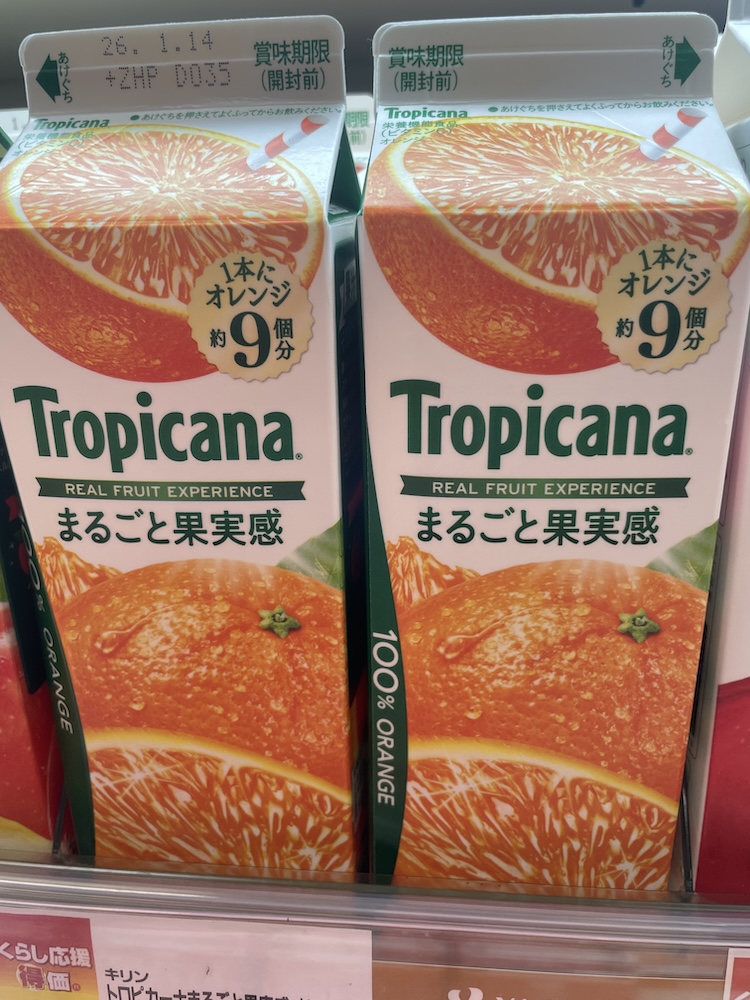
On the other hand, juice packaging can be equally misleading. When scanning the juice aisle, there are also tons of different juices ranging from mixed fruits and vegetables, purely vegetable juices, orange, strawberries and more.
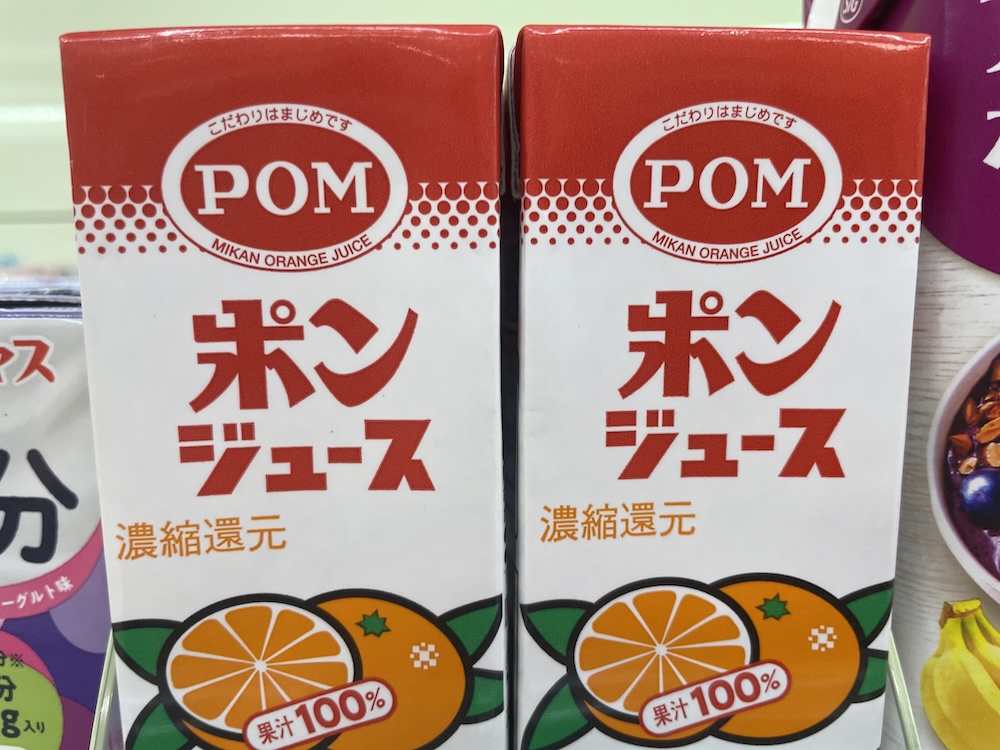
An illustrated orange on the carton does not necessarily mean the drink is real orange juice. In many cases, it is a flavored drink with a small percentage of organic juice added in. If the package shows a photo of an actual orange, it usually means the drink is 100 percent juice. Checking the fine print helps, but many people rely on these visual cues over time when deciding on the right juice.
Food Photos Are Very Accurate
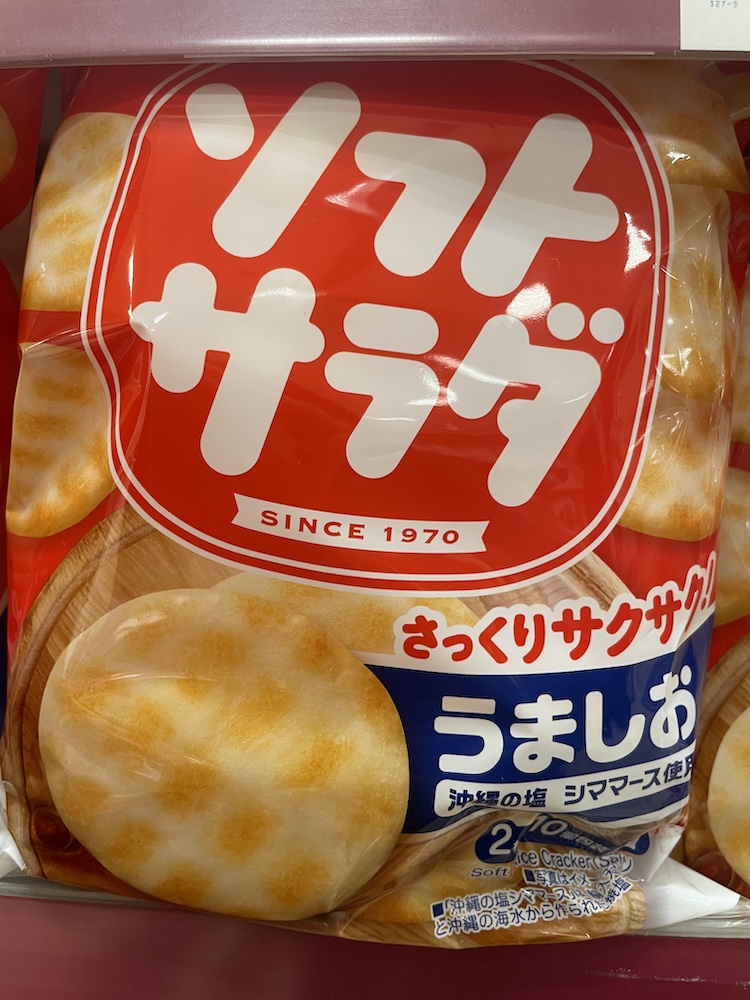
Another thing to consider is the photo used in the packaging. In Japanese supermarkets, food photos are generally reliable. The portion, size and dimension of the product shown in the photo is usually exactly what you will receive. Japan does not exaggerate serving sizes, especially for prepared meals whether they are chocolate cookies, biscuits or a pack of sausages.
This can be surprising for people who are used to larger portions or heavily styled food photography and even in some countries, it can get very misleading as well. While the portions may look small at first, they are often designed to be nutritionally balanced and satisfying for the number of consumers stated in the label.
Prepared Food Is Discounted at Night
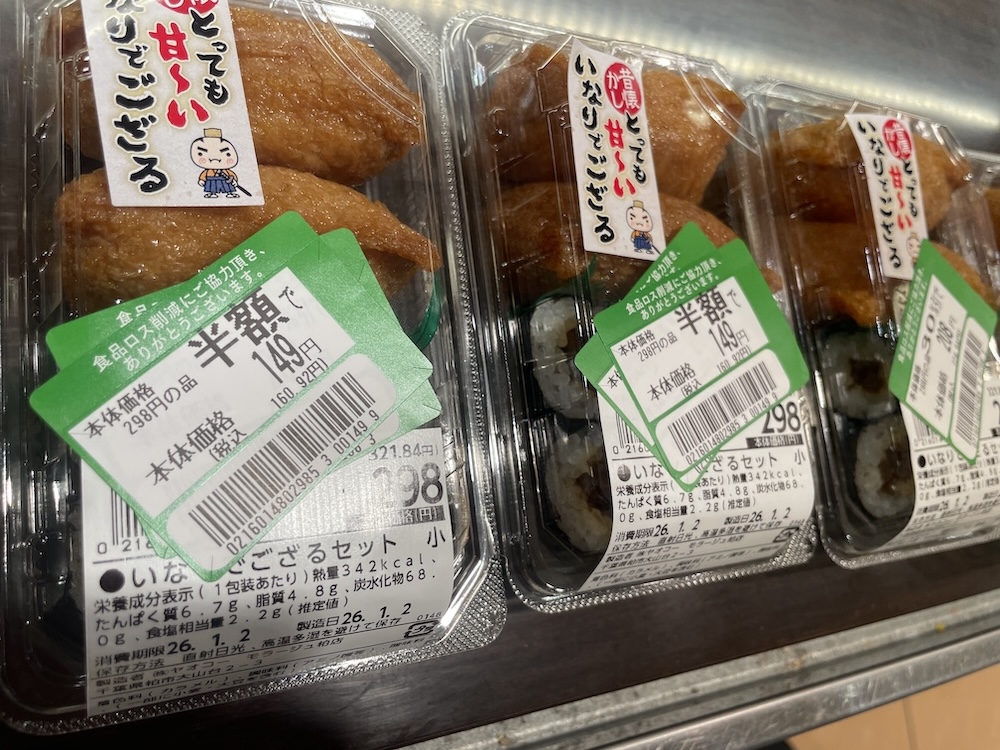
One of the best things about Japanese supermarkets is the nighttime discounts. One of the things that a lot of locals and foreign residents like about supermarkets in Japan is the ability to purchase certain foods for a fraction of their original price. Prepared foods such as bento boxes, sushi, and fried items are usually marked down in stages as closing time approaches. A lot of people get to save quite a bit by shopping for ready to eat meals in the evenings after coming home from work.
Yellow or green discount stickers are added gradually, often starting in the early evening. Prices may drop further later at night, but popular items tend to sell out quickly so it is best to swoop in at around 7-8PM before they run out. Timing matters, and experienced shoppers often plan their visits around these markdown hours. Many people wait for this time to buy to get a good deal, so you might have to be aware of the time at your supermarket.
There Are Two Different Expiration Dates
Food labels in Japan usually show two types of expiration dates. One refers to “best before,” which indicates quality. The food is still safe to eat after this date but may not taste as fresh. The other refers to “use by,” which is related to safety and should be taken more seriously. Being able to tell which expiration date is being pertained to will save a lot of otherwise good and edible food from being thrown out.
Perishable goods such as bento, raw fish and eggs are categorized as use by, while nonperishable ones such as snacks and canned goods are best before.
Shelf Prices May Not Include Tax
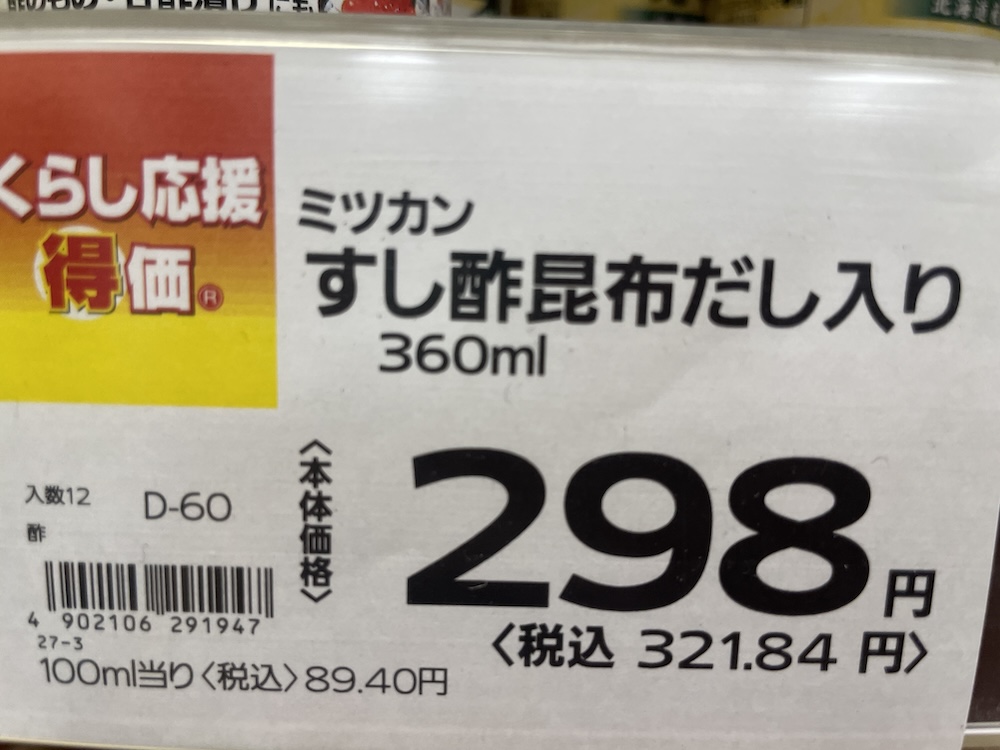
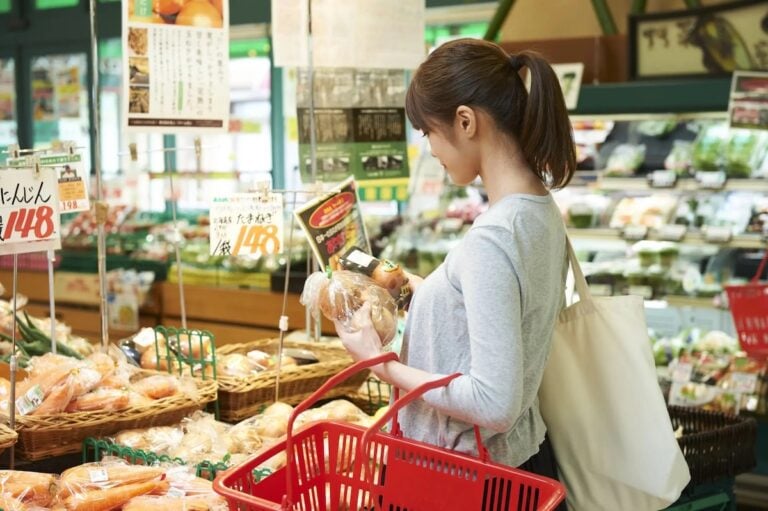
Another small surprise is pricing. In Japan, shelf labels do not always include tax, so the total at checkout can be slightly higher than expected. This is normal in many Japanese supermarkets and is not a mistake. You can tell which one is the after and before tax very easily though, as long as you don’t get them mixed up.
Unlike in other countries where the after-tax price is usually in bold text and in a larger font than the pre-tax, it is the opposite in Japan with the after tax being somewhat less visible and less highlighted. It is best to check this carefully if you are still not aware of the normal range of prices of common goods. Some stores even provide the number of grams/milliliters of a product per yen in the shelf price.
Most Food Is Designed for One Person
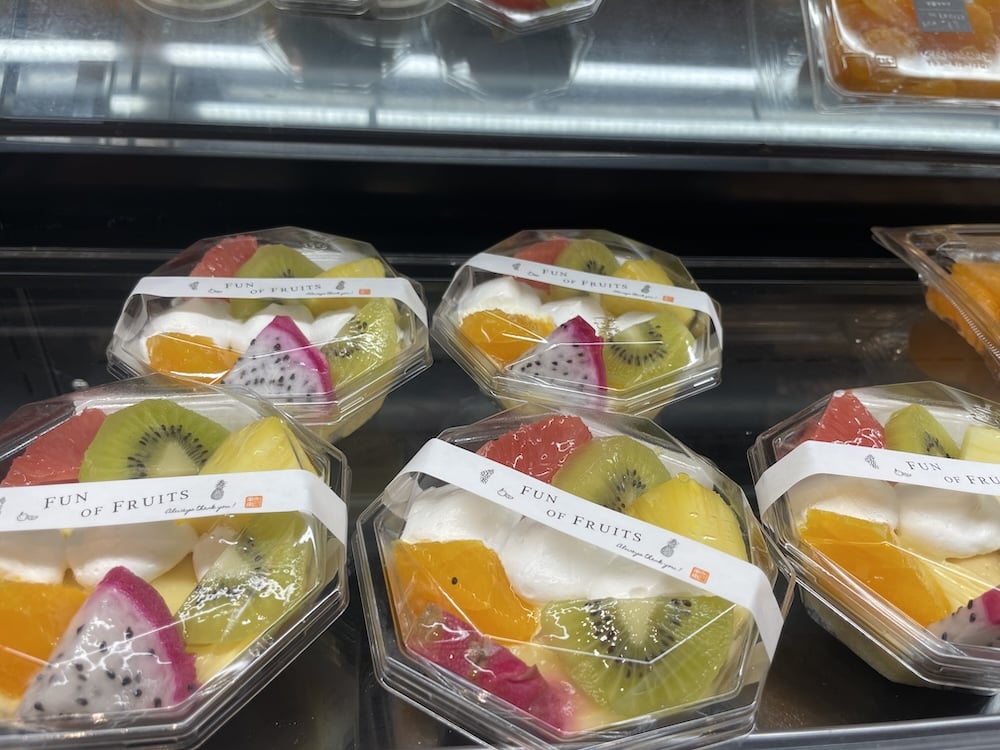
Many supermarket items in Japan are clearly designed for single-person households and are mostly prepared to be consumed in 1 meal. Packaging often looks small, but this is intentional. Ready-made meals, snacks, and even fresh ingredients are commonly sold in single-use portions owing to a majority of consumers being salarymen, full time workers who are too busy to cook, or students who live alone.
For families or those who prefer bulk shopping, it may feel inefficient at first, but the supermarket has other options packaged as more family friendly.
You Pack Your Own Groceries
At checkout, cashiers scan and organize your items, but customers are expected to pack their own groceries. The cashier usually places items in a basket on the opposite side of the register, and you move to a nearby counter to bag everything yourself. This system keeps checkout lines moving quickly and is standard across most supermarkets.
Recently, more and more self-checkout counters are being installed in many supermarkets across the country, so at these places, most likely you will be in charge of the whole process of scanning your purchases, paying, and bagging as well.
Plastic Bags Are No Longer Free
Plastic bags are not free in Japan. Customers are expected to bring their own reusable bags or pay a small fee for a plastic one. Because of this, many people carry foldable bags with them at all times. There are 3 different sizes available in many grocery stores ranging from Small, Medium to Large, each with different corresponding prices. The good thing is, even the largest bag doesn’t usually cost more than 10 yen, if you forgot to bring your reusable shopping bag.
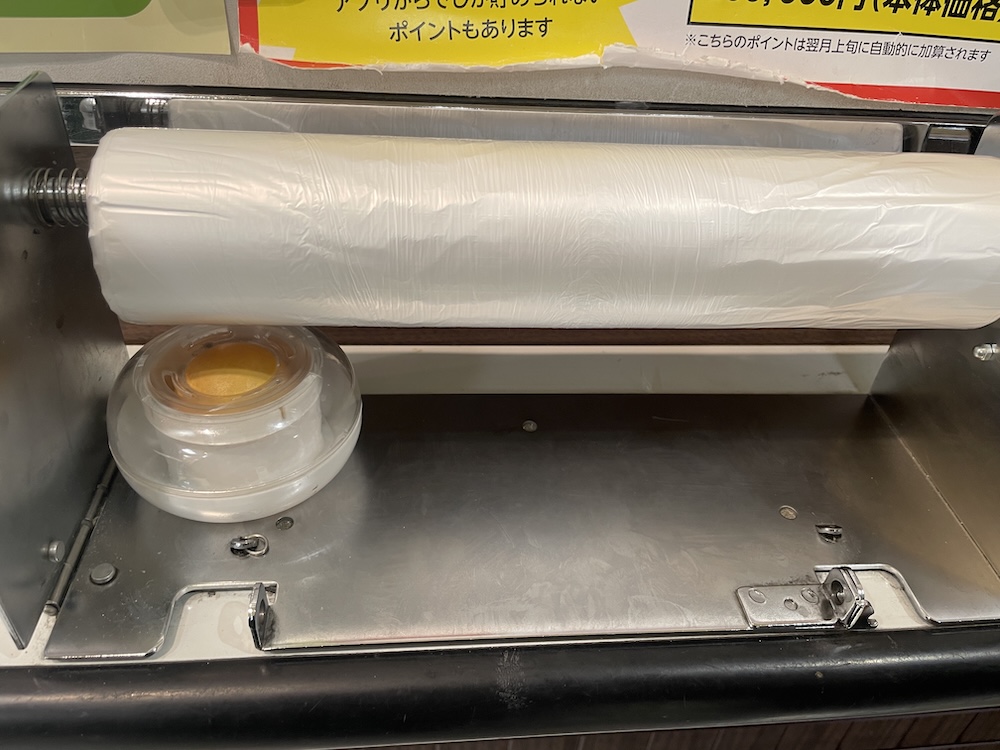
In addition, all stores provide small thin plastic bags where you can put your raw meat purchases or cleaning detergents to avoid contaminating other products in your grocery.
Seasonal and Limited Items Rotate Quickly
Many Japanese supermarkets focus heavily on seasonal products depending on the time of year, holidays, and regional availability. Limited-time items may disappear from the aisles after just a few weeks if the event or holiday has passed. If you find something you really like, it is a good idea to buy it again soon. Of course, there is no guarantee it will still be available on your next visit, but it’s still a lot better to check it out.
Getting Used to It Takes Time
Japanese supermarkets can feel confusing at first, but once you understand how they work, shopping becomes much easier and more enjoyable. Over time, you start to recognize patterns, labels, and routines that make everything feel familiar. For newcomers, the key is patience. There is no single “right” way to shop, and everyone learns at their own pace.