

If you’ve just landed a job in Japan—or you’re eyeing one—you’ve likely heard whispers about how different the office culture is here. Punctuality? Crucial. Formality? Expected. Silence? Sometimes more powerful than words.
But there’s one cultural cornerstone that can deeply shape your experience on the job—and it’s not always easy to grasp right away.
It’s called the senpai-kohai relationship.
Let’s break it down. What is this system exactly, why is it so important, and how can you—as a foreign worker—navigate it respectfully without losing your identity or sanity?
What Is the Senpai-Kohai System?
At its core, the senpai-kohai relationship is a social hierarchy based on seniority, deeply embedded in Japanese society. “Senpai” (先輩) refers to someone senior—either in age, experience, or tenure—while “kohai” (後輩) means someone junior.
This isn’t just a workplace thing. It starts early—school clubs, sports teams, even social circles. You see it in how people talk to each other, where they sit at meetings, and who gets the last word.
In the office, your senpai might be just a year older or only slightly more experienced, but the expectation is that they’ll mentor, guide, and sometimes look after you. In turn, you’re expected to show respect, deference, and eagerness to learn as the kohai.
Sounds wholesome? Sometimes. Confusing? Definitely, if you’re not used to it.
Living in Japan: Uchi Soto and the Japanese Love of Group Culture
Where It Shows Up in the Workplace
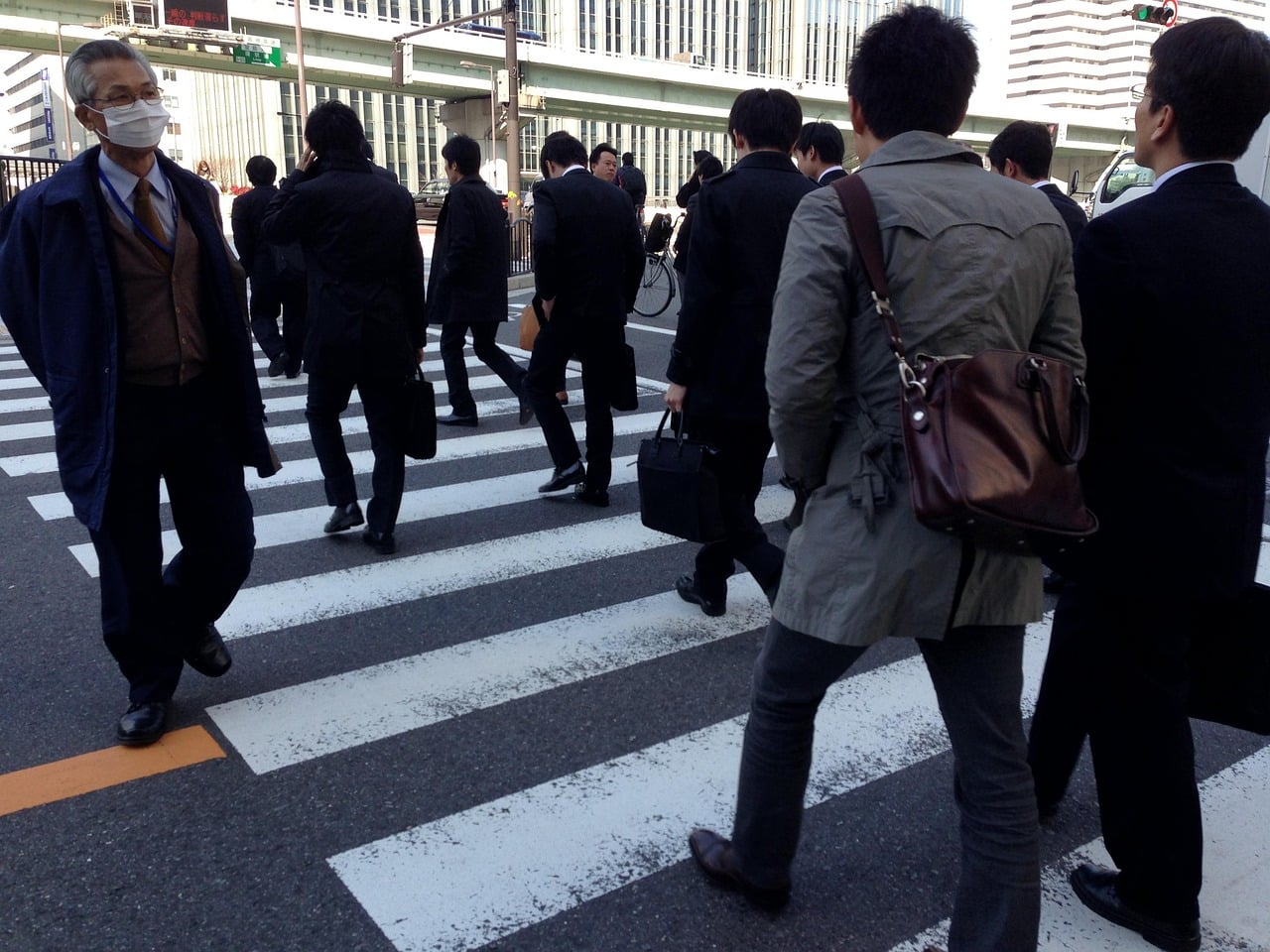
Here’s where things get real. Unlike Western workplaces where hierarchies can feel more informal, the senpai-kohai system in Japan influences almost every interaction:
1. Language Use (Keigo)
You’ll notice people switching between different levels of politeness depending on who they’re talking to. Kohai are expected to use formal language (keigo) when speaking to their senpai. Even among foreigners, Japanese colleagues may default to a certain formality if you’re new or junior.
2. Seating Arrangements
In meetings or restaurants, seating is symbolic. The seat furthest from the door (the “kamiza”) is reserved for the most senior person. As a new foreign worker, don’t just plop down—wait to be guided.
3. Decision-Making
Senpai often have the final say, even when they’re not technically in management. Your suggestions might be softened or rerouted through them, especially in more traditional companies.
4. Social Obligations
Expect to pour your senpai’s beer at after-work drinks (nomikai, 飲み会), listen attentively, and never leave before them. And yes, some of them will genuinely expect that from you, even if you’re a full-grown adult with decades of experience.
Working in Japan: 5 Keigo Japanese Phrases that Will Save Your Work Day
Western vs. Japanese: A Cultural Contrast
In many Western cultures, particularly in North America and Northern Europe, workplace hierarchies are increasingly flat. Younger employees may call their boss by their first name. A 22-year-old intern might openly challenge a senior manager in a meeting—respectfully, of course.
In Japan, this would be considered rude, disruptive, and potentially damaging to the group dynamic (or “wa”—a concept of harmony highly prized here).
Here’s a quick side-by-side comparison:
| Aspect | Western Culture | Japanese Culture |
|---|---|---|
| Hierarchy | Often flat, informal | Deeply ingrained, age/seniority-based |
| Communication | Direct | Indirect and nuanced |
| Challenging superiors | Sometimes encouraged | Rare and risky |
| Mentorship | Optional or informal | Built-in, expected |
Does this mean you should pretend to be Japanese? No. But it does mean you need to read the room carefully and be respectful of the system.
Tips for Foreign Workers: How to Navigate the Senpai Kohai System
Whether you’re a new ALT, a software engineer, or a recruiter, here’s how to survive—and thrive—in the senpai-kohai dynamic:
1. Observe First, Speak Later
Pay attention to how your coworkers interact. Who defers to whom? Who speaks the most in meetings? Let the rhythm guide your approach before you dive in with suggestions.
2. Respect the Rituals, Even If You Don’t Get Them Yet
Pouring drinks, nodding along during long monologues, waiting your turn to speak—these small acts go a long way in showing cultural awareness.
3. Ask for Guidance—It’s Not a Weakness Here
Japanese senpai often want to be helpful. By asking for advice or clarification, you’re not admitting defeat; you’re acknowledging their role and building trust.
4. Use Titles and Honorifics
Until told otherwise, refer to coworkers by their last name + “san” or their job title. Dropping honorifics too soon can come across as arrogant or clueless.
5. Don’t Overcompensate
You’re not expected to become Japanese. If you mess up a social cue or forget a ritual, a sincere apology and effort to do better next time is more than enough.
Living in Japan: How Aizuchi Can Make You Sound More Native in Japanese
What If You’re the Senpai?
Interesting twist: What happens when you have more experience or seniority?
If you’re an experienced foreign professional mentoring junior Japanese staff—or other foreigners—you’re technically the senpai. But that doesn’t mean you should demand deference. In fact, many Japanese colleagues will default to seeing you as a cultural outsider, regardless of your experience.
That said, lead with humility and generosity. Be available, answer questions, and foster mutual respect. By modeling both confidence and cultural sensitivity, you’ll earn their trust far more than if you try to assert your status.
Can You Ever Opt Out of the Senpai Kohai System?
Real talk: not entirely. Even international companies in Japan often unconsciously absorb aspects of this dynamic.
What you can do is:
- Choose your battles. Follow the custom where it matters most (e.g., client meetings, formal events).
- Set expectations with your team, especially if you’re in a leadership role and prefer a more egalitarian style.
- Be kind to yourself. You’re adapting to a system that even native Japanese people sometimes find stressful.
Earning Respect Without Losing Yourself
The senpai-kohai system isn’t about blind obedience—it’s about understanding how respect, responsibility, and mentorship function in a Japanese context.
By learning the rules, observing the norms, and blending in when needed (without going full chameleon), you can build genuine relationships and thrive in your Japanese workplace.
And remember: every senpai was once a kohai.
Living in Japan: Kuuki Wo Yomu: A Complete Guide to “Reading the Air”
Want more tips for working and living in Japan?
Browse our blog for more cultural guides, job-hunting advice, and real-life stories from other foreigners navigating Japan. Or drop a comment below—what surprised you most about Japanese workplace culture?