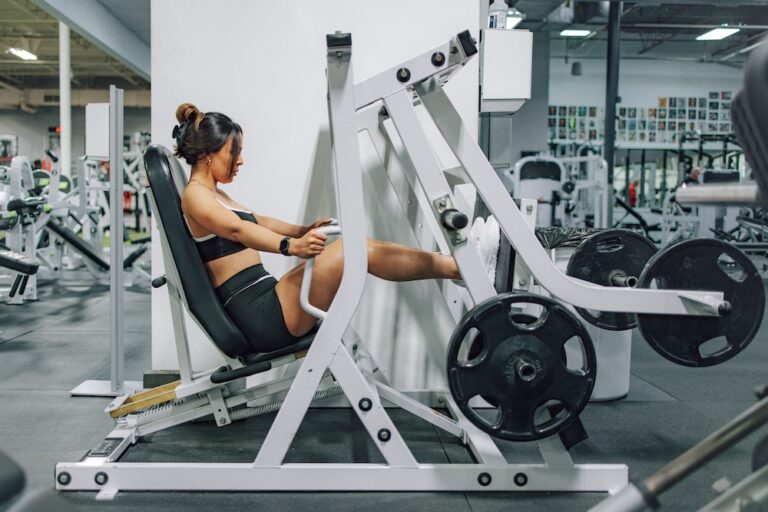
Moving to Japan as a foreign woman comes with a long list of “firsts”. Your first konbini bento, your first earthquake drill, your first confusing trip to the ward office…. But for many of us, another milestone feels oddly intimidating: stepping into a Japanese gym.
Whether you’re already a gym regular or just thinking about getting active, it doesn’t take long to realize that fitness culture in Japan is a world of its own. Especially for women.
From quiet weight rooms to subtle stares and strict dress codes, there’s a lot to adjust to. But with the right mindset and a little preparation, the gym can go from a source of anxiety to a place of empowerment.
Here’s what you need to know.
Living in Japan: A Guide to Japanese Gyms
What Makes Gym Culture in Japan Different for Women?
Fitness Expectations Are (Still) Gendered
While things are slowly changing, Japanese gym culture often leans into traditional views of fitness. Think cardio and thinness for women, muscles and strength for men. You’ll notice this reflected in the marketing materials, machine selection, and even the types of classes offered.
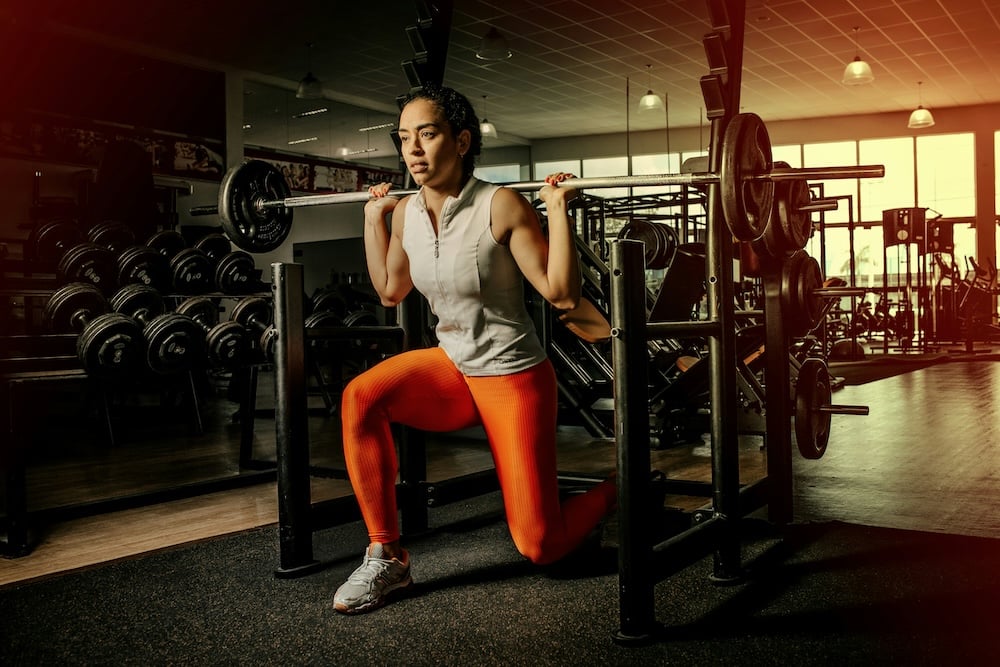
If you’re a woman who lifts—or if you’re like me and absolutely hate cardio machines—you might feel out of place at first. Don’t worry, you’re not alone. And no, you’re not “weird” for choosing the squat rack.
Silence Is the Norm
Unlike the energetic atmosphere you might find in Western gyms, Japanese fitness centers are typically very quiet. There’s no blasting music, no group high-fives, and no one grunting mid-deadlift.
For women, this can be both a blessing and a curse. It’s peaceful, sure. But it also makes you feel like every little sound or movement is under a microscope. If you’re used to more expressive workouts, this shift can take some getting used to.
Living in Japan: Tips on Joining a Gym in Japan
Common Challenges Foreign Women Face (and How to Handle Them)
1. Feeling Stared At
It’s a common complaint, especially in smaller or more rural gyms. Foreign women often feel like they’re being watched, especially when doing something outside the “norm,” like lifting weights or wearing a tank top.
What helps:
- Confidence grows with time. The first few sessions are the hardest.
- Headphones are your friend. Even if you’re not listening to anything, they signal you’re focused.
- Ask a friend to join you, if possible. Having a workout buddy can ease anxiety and lessen the “spotlight” effect.
And of course, if you feel something is “off” about someone, trust your gut and communicate this with a member of staff. No one should be made to feel uncomfortable at the gym.
Living in Japan: Navigating Tattoo Policies in Japan: A Changing Landscape of Tradition and Acceptance
2. Gym Attire Expectations
Japanese gyms tend to be modest. You’ll rarely see women in sports bras or short shorts. Some gyms even have explicit rules against revealing clothing.
Also, many places require indoor shoes (shoes that have never been worn outside), and you might need a towel to place on machines to keep sweat from touching equipment.
Quick tips:
- Bring indoor-only sneakers in a separate bag.
- Avoid crop tops or spaghetti straps unless you’re sure the gym allows them.
- Bring a small towel.
3. Using the Locker Room
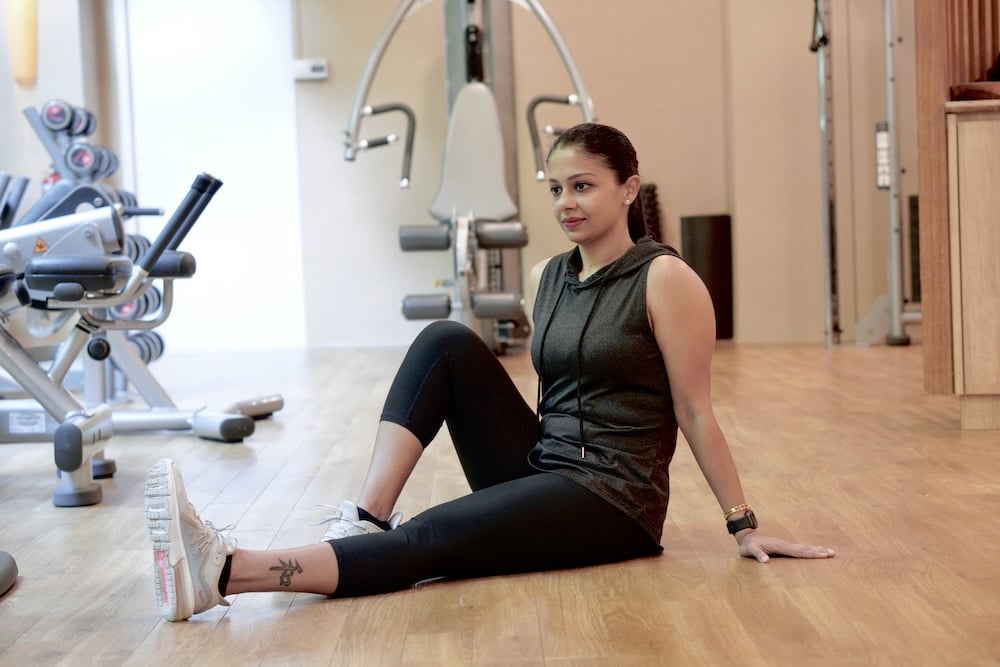
Modesty is big in Japanese locker rooms, but there’s also a strong sense of nonchalance. You’ll likely see women of all ages changing in full view, which can feel awkward at first.
However, no one is paying close attention. Changing in open areas is not seen as immodest, it’s just practical.
If you’re uncomfortable:
- Look for semi-private corners or stalls.
- Change at home if your gym allows it.
- Remind yourself: no one is judging. Truly. This is the same culture that is famous for its onsen (温泉) culture, remember? The one where everyone bathes in hot springs naked.
Living in Japan: Run Towards Your Dreams
4. Language Barriers and Contracts
Some gyms have English-speaking staff, but many don’t. Membership contracts can be dense, and it’s not uncommon to sign up for a year-long plan without realizing it.
To avoid surprises:
- Ask if there’s a short-term trial or one-month plan before committing.
- Bring a Japanese-speaking friend or use a translation app for contracts.
- Consider foreigner-friendly gyms like Anytime Fitness (many have English signage) or women-only gyms like Curves Japan.
Living in Japan: Is Japan Safe for Women?
Choosing the Right Gym as a Woman
There are many types of gyms in Japan, and some may feel more comfortable than others. Here’s a breakdown:
Chain Gyms (Anytime Fitness, Gold’s Gym)
- Open 24 hours (in most cases)
- Great for lifting and cardio
- Can feel intimidating at first due to male-dominant weight areas
- Some staff may not speak English
Women-Only Gyms (Curves Japan, private studios)
- Low-pressure, supportive environments
- Focus on bodyweight and circuit training
- Tend to have older clientele and less equipment variety
- Great for beginners or those seeking a community vibe
Public/Municipal Gyms (shisetsu gyms)
- Affordable and pay-per-use (¥300–500 per session)
- Japanese-only environments with fewer frills
- Can be very welcoming once you get the hang of it
- Often less intimidating than commercial gyms
Words of Encouragement (from Someone Who’s Been There)
Walking into a Japanese gym as a foreign woman for the first time is no small feat. You might feel like everyone’s watching. You might worry about breaking some invisible rule. You might question if you belong there at all.
Let me tell you: You do.
You have as much right to be in that gym as anyone else. Whether you’re chasing strength, stress relief, community, or confidence—your goals are valid, and your presence matters.
Don’t let the silence, the stares, or the cultural quirks discourage you. Over time, it gets easier. You’ll find your rhythm, your favorite machines, maybe even your gym crew.
Inside Japan Podcast: Staying Fit and Healthy in Japan with Ben Silverman | Inside Japan #142
Final Thoughts: Redefining Strength on Your Own Terms
Being a foreign woman in Japan’s gym culture is a balancing act between respecting local norms and asserting your space. You’ll grow stronger—not just physically, but mentally and emotionally—by showing up, adapting, and thriving in a new environment.
It’s okay to be unsure. It’s okay to take it slow. But don’t let discomfort stop you from claiming your health, your space, and your strength.
Living in Japan: Trying to Diet in Japan: What Actually Helped Me Lose Weight (And What Didn’t)