
For decades, Japan’s work culture has been synonymous with long hours, strict hierarchy, and a near-mythical level of dedication to the company. The image of the exhausted salaryman has appeared in countless articles and documentaries. The white shirt, loosened tie, briefcase-in-hand stereotype is so ingrained that many foreigners considering a career in Japan worry they’ll be swept into a world of endless overtime and little personal freedom.
But that image, while rooted in truth from decades past, doesn’t tell the full story anymore. Japan’s work culture has undergone significant transformation over the past 10 to 15 years. Government reforms and changing attitudes among younger workers (in addition to many other factors) have led to the country slowly redefining what it means to “work hard.”
The result is a Japan that still values discipline and diligence—but one that increasingly prizes balance, flexibility, and mental health.
The Legacy of the Overwork Era

To understand where Japan is today, it’s worth remembering how the stereotype began.
In the postwar decades, Japan’s economy boomed. Companies expected (and often demanded) total loyalty from employees in exchange for stable, lifelong employment. Workers often stayed late simply to show commitment. Group cohesion was everything, and leaving before your boss could be seen as disrespectful.
The term karōshi (過労死), or “death by overwork,” entered the public consciousness in the 1980s, following several high-profile cases of exhaustion-related deaths. It became emblematic of a system that rewarded endurance rather than efficiency.
For years, this reputation persisted. Western media often highlighted the darker side of Japanese corporate life, from marathon work hours to employees sleeping at their desks. And the truth is that many companies did in fact operate that way. A small but persistent number, often called black companies (ブラック企業), still do.
But here’s what’s changed: those companies are now the exception, not the rule.
Reform and Reality: The Shift Toward Balance
The turning point really started to pick up steam in the mid-2010s, when overwork-related scandals involving major corporations triggered public outrage. One of the most notable was Dentsu. The government responded with the Work Style Reform Law (働き方改革法), which came into effect in 2019.
The law placed caps on overtime, required more transparent reporting of working hours, and promoted flexible arrangements such as remote work and staggered schedules. It also pushed companies to ensure employees take their legally mandated paid leave, which is something that was often ignored in the past.
The COVID-19 pandemic accelerated these changes even more. Remote work, once unthinkable in Japan’s office-based culture, suddenly became a necessity. Many workers and companies discovered the benefits of flexibility, and a surprising number have continued hybrid models post-pandemic.
While not every workplace has fully adapted, the shift is undeniable. According to Japan’s Ministry of Health, Labour and Welfare, the average number of annual working hours has steadily declined over the past decade, and the use of paid leave has reached record highs.
In short: the era of “eternal overtime” is fading.
The Role of Company Culture
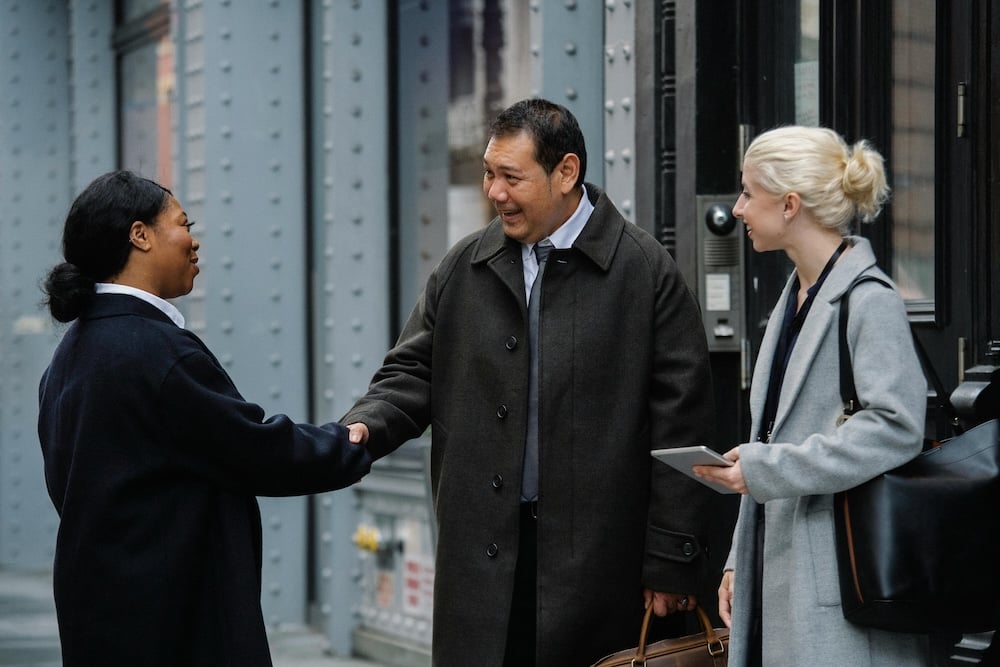
Of course, “work culture” in Japan isn’t uniform. It varies dramatically depending on the company, industry, and even region.
Large, traditional corporations tend to move slowly, holding onto more hierarchical structures. But in contrast, small and mid-sized enterprises, international firms, and tech startups often operate with much more flexibility. Many foreign professionals in Japan today find themselves in offices that resemble those in Singapore or Berlin rather than the stereotypical Tokyo high-rise of the 80s.
Younger Japanese workers are also driving the shift. Surveys consistently show that work-life balance and job satisfaction now rank higher than lifetime employment or loyalty to a single company. More than ever, employees are more likely to change jobs, and companies have had to adapt to attract and retain talent in a shrinking labor market. Nowadays, the best Japanese companies compete on culture, not just salary.
Black Companies: The Exception, Not the Norm
To be clear, exploitative employers still exist. The term black company (ブラック企業) is used in Japan to describe workplaces that overwork or underpay their staff, pressure employees to work unpaid overtime (サービス残業), or engage in harassment and intimidation.
These companies are found across several industries. Sales, hospitality, logistics, and low-end education sectors are where they are most frequently found. But they represent a small, shrinking portion of the labor market.
Public exposure and legal scrutiny have made it much more difficult for such companies to operate unchecked. The annual Black Company Awards—which publicly “names and shames” the worst offenders—has helped shift the conversation, while stricter labor inspections and worker protections continue to expand.
Most importantly, younger generations of workers are less willing to accept abusive conditions. Social media and job review sites like OpenWork and Tenshoku Kaigi make it easier than ever before to research a company’s reputation before applying.
For foreign professionals, this means that with a bit of due diligence, the risk of ending up in a truly exploitative workplace is low, and getting even lower every year.
The New Japanese Workplace
So, what does the modern Japanese workplace actually look like for foreign professionals today?
In many offices the atmosphere is becoming more and more familiar to Western professionals: hybrid schedules, performance-based evaluation, and respect for personal time.
Companies like Rakuten, Mercari, and SoftBank have introduced English as an official working language, reflecting Japan’s push toward globalization and international hiring. Meanwhile, foreign startups and remote-first companies have carved out niches in cities like Fukuoka, Osaka, and Sapporo, which are now positioning themselves as lifestyle-friendly alternatives to Tokyo.
This diversity of workplace environments means foreign workers can find a setup that fits their values, whether that’s the structure and stability of a traditional firm, or the freedom of a startup.
The Human Side of Change
The cultural shift toward balance is thanks to many policy changes, of course. However, it’s also personal.
Conversations about mental health, burnout, and quality of life that were once taboo are becoming increasingly mainstream. Younger workers expect their companies to value well-being, and managers are beginning to take those expectations seriously.
The government has begun initiatives promoting telework, flexible hours, and even campaigns like “Premium Friday”, encouraging workers to leave early once a month. Some of these efforts have had mixed success, but the message is clear: the social contract between companies and employees is evolving.
For foreign workers, this often translates into a workplace that still values effort and cooperation, but no longer demands unhealthy sacrifice.
Why the Stereotype Persists
So why does Japan still have such a strong global reputation for overwork?
It’s partly because the image was once true, and because stories of extreme overwork still occasionally make international headlines. But it’s also because Japan’s culture of humility and diligence continues to stand in contrast to Western narratives about work.
In Japan, dedication to one’s job remains admirable. But what’s changed is the understanding that dedication doesn’t have to mean you leave work exhausted every day.
The Japanese work ethic is evolving from endurance to efficiency. Proving loyalty through time spent is losing to proving value through results.
A New Japan for Global Talent
For foreigners considering a move to Japan, the country’s evolving work culture offers more opportunities than ever. In recent years, government initiatives have begun attempting to attract professionals from overseas, especially in tech, education, and healthcare. Visa pathways have expanded, wages are improving, and the social conversation around work-life balance continues to gain momentum.
Of course, there will always be challenges. Language barriers, cultural nuances, and the occasional slow-to-adapt employer are just a few. But the broader picture is one of progress.
Japan remains a society that values community, respect, and professionalism, but it is also increasingly aware that sustainable productivity depends on happy, healthy workers.
The stereotype of the overworked salaryman is giving way to something new: a Japan that works smarter, not harder.