
When it comes to festivals in Japan, summer is usually considered the big season. There are however, many major festivals spread across all seasons with spring being no exception. Spring brings warmer weather and is symbolic of new beginnings with the school and financial year beginning for many people in Japan. In this respect, it is a very important time for many people and there are several major festivals celebrated throughout the season. In this article, we take a look at six major spring festivals held in various parts of Japan.
Hirosaki Cherry Blossom Festival

Of course, Spring in Japan means cherry blossoms and hanami (cherry blossom viewing) parties are a common informal event throughout the entire country with many people gathering in parks and gardens to have picnics under the pink blossoms. One of the most famous spring cherry blossom festival is the Hirosaki Cherry Blossom Festival. The festival is held each year in Hirosaki Castle Park in Aomori towards the end of April though the exact dates tend to change depending on when the Cherry Blossoms bloom.
Living in Japan: 10 Spring Flowers That Worth Seeing In Japan
Rather than being a formal festival full of different activities, the Hirosaki Cherry Blossom Festival is more of a viewing event. The park is home to 2600 cherry trees, making it a spectacular sight when they’re in full bloom. There are 50 varieties of trees and it’s claimed that most have double the amount of cherry blossoms thanks to the agricultural techniques of the park’s gardeners. It’s also possible to take a boat ride to view the blossoms from the water and in the evening, the blossoms are illuminated making night time viewing possible.
The 2025 Hirosaki Cherry Blossom Festival is scheduled to take place from the 18th of April through to the 5th of May.
Takayama Spring Festival
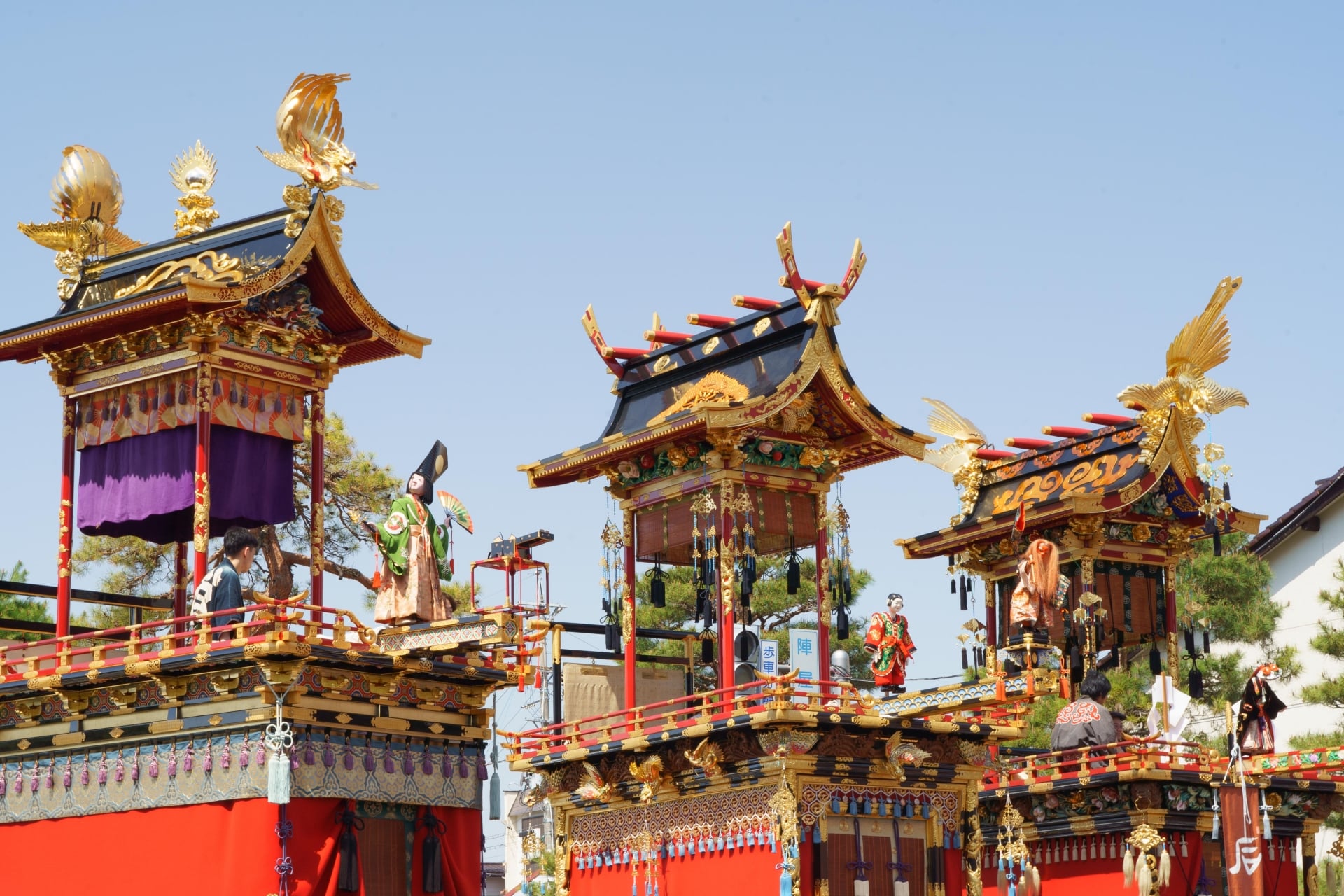
Held in Takayama City in Gifu prefecture, the Takayama Festival is a very popular spring event and has many things in common with the Takayama Autumn festival, another famous festival held in the city. The spring festival is for the purpose of offering prayers for a good harvest in the year to come while the autumn festival is held to give thanks. The festival is believed to have started in the late 1600s though no one knows its exact origins.
Living in Japan: Top 5 Japanese Summer Festivals You Won’t Want To Miss
The main feature of the Takayama Spring Festival is its elaborate and beautifully constructed floats, of which there are twelve. The floats are about 7-8 metres tall and are pulled in procession through the streets during the main part of the festival. Some of the floats are decorated with mechanical puppets which give performances at specific times during the festival.
The Takayama Spring Festival is held over two days on the 14th and 15th of April.
Hakata Dontaku (Fukuoka)
The Hakata Dontaku Festival is held each year in Fukuoka and is not only one of the city’s largest festivals but one of the largest festivals in Kyushu. The festival is held over two days and its most famous feature involves a large parade of dancers performing along the streets of Fukuoka. Each year the parade draws in over 2 million spectators as well as 30,000 performers. Along with the parade, the festival also features many events including live musical performances and concludes with a dance that spectators are invited to participate in.
The Hakata Dontaku Festival has a long history, originally taking place as a festival held by merchants to show thanks for good fortune. The festival takes place during Golden Week, the stretch of holidays that take place early in May, on the 3rd and 4th.
Naha Hari
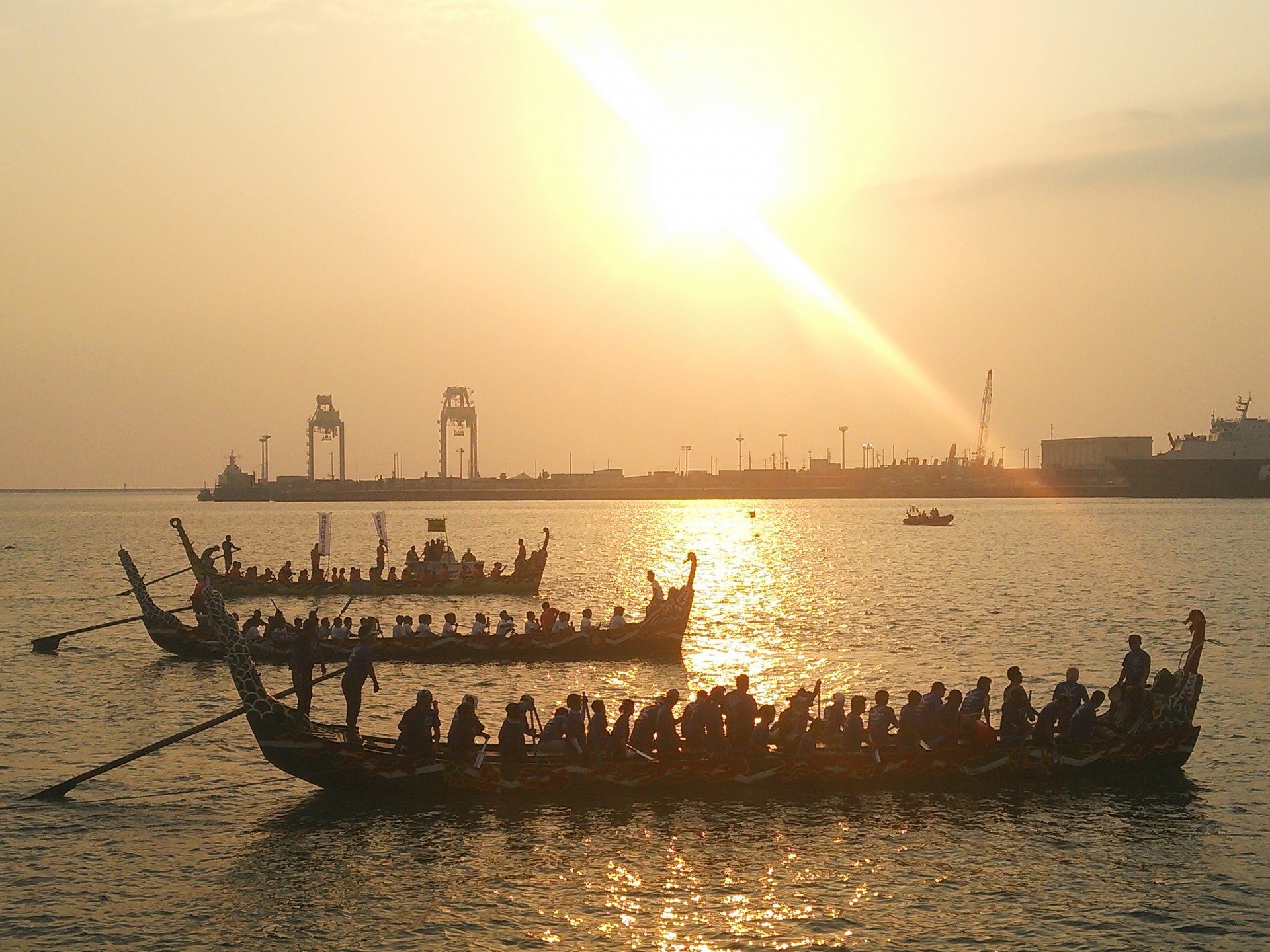
Another event held during Golden Week, this time in Okinawa, the Naha Hari is a series of dragonboat races held at Naha Port. These boats are about 14.5 meters long and painted like dragons. They are typically crewed by a team of up to 42 people including rowers and drummers. While there are many such boat race festivals held throughout Okinawa in May, the Naha Hari is the largest and most popular. Held across three days, there are various races from those involving junior-high school students and community groups, right through to the main races on the third day. Alongside the races, there are many other events including live music and fireworks as well as the opportunity for spectators to experience riding in the boats themselves. The 2025 Naha Hari is scheduled for the 3rd of May to the 5th of May.
Living in Japan: Gion Matsuri: Japan’s Ancient Festival in Kyoto
Kanda Festival

The Kanda Festival is one of Tokyo’s major festivals and is held by Kanda shrine, close to Akihabara. The festival is said to have been running for over 1300 years with its original origins shrouded in mystery. The festival expanded and became much larger as part of a celebration of Tokugawa Ieyasu’s victory at the battle of Sekigahara in the 1600s. The entire festival runs over the course of a week with two main days falling on Saturday and Sunday. The festival features several large parades that proceed through the streets of Tokyo. These parades feature crowds in traditional costumes, musicians, people on horseback and floats celebrating the culture of Edo. The final parade sees over 200 portable shrines carried through the streets.
Living in Japan: A Love Letter to Fukuoka
The Kanda festival draws huge crowds and is not only one of the biggest spring festivals in Tokyo, but one of the biggest festivals in Japan. Unusually, the Kanda festival is held every second year, alternating with the Sanno Festival held in June. It will be held in 2025 with the main days on May 10th and 11th.
Aoi Festival
One of Kyoto’s three major festivals, the Aoi Matsuri is held on the 15th of May each year. The festival is held to pray for a plentiful harvest and to appease gods thought to send catastrophes. The festival is a particularly old one, purported to have originated in the 6th century. The Aoi Festival features a parade of more than 500 people dressed in traditional Heian era costume making their way from the imperial palace to Kamigamo shrine. Each part of the parade represents various positions in the imperial court government as it was back in the Heian era. There are also displays of horse archery and horse races held as part of the festival.
Celebrating the Changing Seasons
Spring is a particularly vibrant and symbolic time in Japan. With the weather warming up and cherry blossoms starting to bloom, it’s a great time to get out and celebrate. Without the stifling heat of summer, it’s the perfect time to enjoy festivals.