
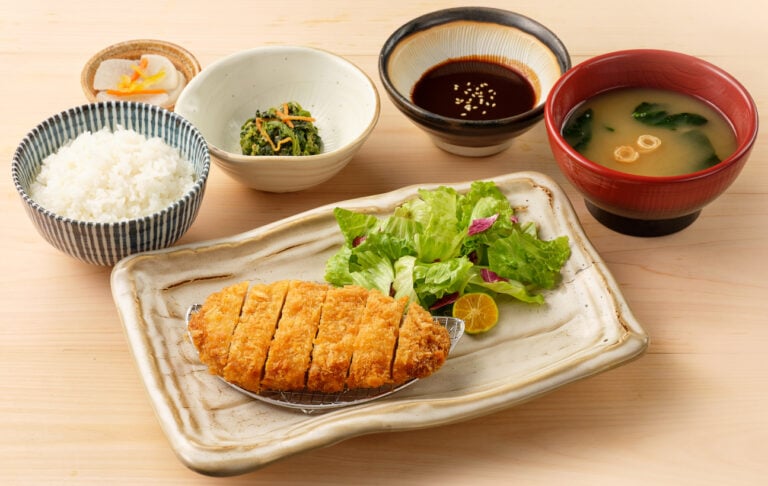
Have you ever ordered teishoku (定食), or a “set meal” in Japan? There are a multitude of local shops in nearly any Japanese town or city that offer these affordable and usually nutritious meals. When I first discovered teishoku, I wasn’t sure what to make of it. Coming from the US, I was used to casseroles, one-pot soups, pasta and–yes–a burger and fries.
In contrast to the usual setup of meals back home, teishoku felt varied, foreign and… healthy? There was certainly an undercurrent of better eating throughout every such meal I had. The key to this style of diverse and nutritious eating lies in the most Japanese way of preparing a meal called ichijū sansai (一汁三菜).
The kanji literally mean “one soup, three dishes”, and perfectly describe the structure of these types of meals. If you like to immerse yourself in the local culture through food, this is often a great way to see how people here eat on a daily basis.
Living in Japan: 11 Japanese Superfoods to Improve Your Health
From Fancy to Functional
Ichijū sansai traces its origins back to the nobility in the Muromachi period (1336–1573). Only the most wealthy could afford enough variety in food to provide them with such balance and nutrition. These elaborate meals were served on small four-legged tables called zen (膳) and featured a variety of foods that the less fortunate could never dream of consuming. In true aristocratic fashion, these displays of wealth were no humble affair. It was common to be served a multitude of small dishes, presented on numerous zen for each person.
Over time, this style of eating became more accessible and eventually evolved into its current iteration called ichijū sansai. This style of eating consists of rice, pickles, soup and three dishes. This basic setup is taken from the main zen of the elaborate banquets of the Muromachi period, otherwise known as the hon-zen (本膳).
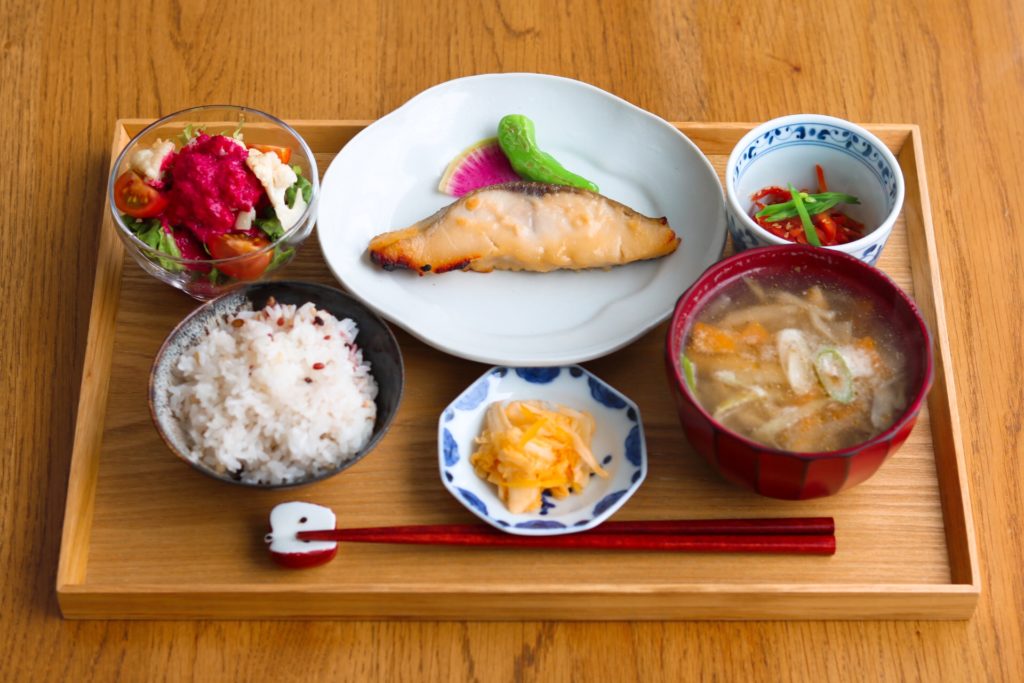
The Anatomy of an Ichijū Sansai Meal
Contrary to popular belief, Japan does not run on ramen, sushi, sukiyaki or gyōza (餃子). Instead, the unsung hero of Japanese cuisine is gohan (ご飯飯)—white rice. A meal in Japan almost always starts with this humble staple. Sit down to any meal with a Japanese family, and you will be given a steaming bowl of it. But to complement the rice, ichijū sansai brings variety and depth through its thoughtfully designed components:
The Core Components
Ichijū (一汁) one soup:
This is usually miso soup, but can include other types of clear or broth-based soups. They can be served plain, but often ingredients like seaweed or tofu are added to mix things up.
Sansai (三菜) three dishes, also called okazu (おかず):
The main dish features some kind of protein, like fish, tofu, or egg. It could be steamed, fried, marinated, served in sauce–the possibilities really are endless. Traditionally, however, they will be prepared in a way that keeps it light and easy to digest.
You will also find two side dishes to complement the main dish. These will almost always be some kind of vegetable or seaweed. For example, burdock root (known as gobō 牛蒡), hijiki (ひじき seaweed salad), kabocha (かぼちゃ pumpkin), or bamboo shoots. The focus here is on seasonality and ingredient freshness, which means higher concentrations of vitamins, minerals and antioxidants.
Living in Japan: Kyushoku: Unpacking the Lessons of Japanese School Lunch
The amount of dishes you choose to prepare can vary slightly, especially on a day-to-day basis; life is busy, and sometimes there’s not enough time to do so!
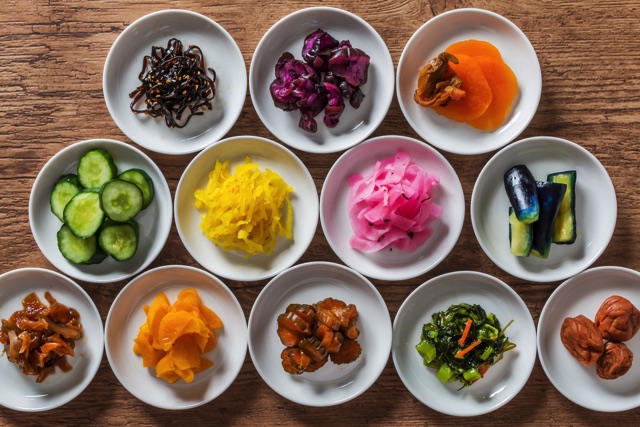
You might be wondering where rice factors into the term. However, rice is so quintessential to the Japanese diet that it is automatically included. There is no need for its inclusion in the phrase since it is assumed a part of every meal. Similarly, a traditional ichijū sansai meal will always feature some kind of tsukemono (漬物), or pickle.
Notice anything? These meals are designed to be as balanced and nutritionally dense as possible. The formula allows for easy visualization of a healthy meal, and is much of the reason for Japan’s reputation around the world for maintaining a healthy diet. Here are just a few ways that ichijū sansai encourages better eating:
Nutritional balance
The various components of these meals ensures that you get a variety of both micro and macronutrients. As a source of carbohydrates, rice provides plenty of energy and stamina. Protein is easily taken care of by the main dish, as it is usually eggs, tofu, fish, or–in more modern iterations–pork, chicken, or beef. There is no shortage of fiber and micronutrients in the two side dishes either, which feature plenty of vegetables.
Living in Japan: Mastering the Art of Using Chopsticks
Gut health
An often overlooked but no less important aspect of healthy living is that of gut health. Luckily, fermented foods like miso and pickles abound in ichijū sansai! They provide probiotics that promote a healthy digestive system. Additionally, soups like miso are often prepared with ingredients rich in prebiotic fiber, such as seaweed, further supporting gut flora.
Mindful eating
The concept of mindful eating in Japan is evident through its many customs surrounding food and meals. Examples like refraining from walking while eating show the importance of being as present as possible at mealtimes. Through the careful selection of its different components and thoughtful preparation so common in ichijū sansai, diners are encouraged to appreciate each dish. This fosters a slower, more mindful eating experience, which can aid digestion and enhance the overall enjoyment of food.
Shaping Nutrition Through School Lunch
Ichijū sansai is not some abstract concept for only the health-conscious or chefs at traditional Japanese restaurants. In fact, I would argue that children begin to learn about its importance in grade school. School lunch, or kyuushoku (給食), is approached as an opportunity to teach students about crafting a nutritious meal. Predictably, this means that many of the meals served in public schools all over the country loosely follow the ichijū sansai method.
The results of this integration into students’ everyday lives mean that, in my experience, Japanese students consume and therefore enjoy a much wider variety of foods than their counterparts in my home country. Many of my seven-year-old students actually have an answer to the question“what’s your favorite vegetable”, whereas back home I would probably be waiting another 15 years for one.
Living in Japan: Maximising Health in Tokyo Without Decimating Your Yen
Ichijū sansai is so much more than a simple way of organizing a meal–it describes the relationship that most people in Japan have with their food. Whether they’re in the first grade of elementary school or a salaryman working in a Tokyo high rise, almost everyone can agree on the benefits to eating following these guiding principles. Of course, that’s not to say that the Japanese do not indulge! But, a foundational appreciation for nutrition and balance that is fostered throughout one’s life means that there is great joy found in these kinds of meals.
Whether you’re seeking to improve your diet, experience authentic Japanese food culture, or simply enjoy a delicious and satisfying meal, ichijū sansai provides an elegant yet practical approach to dining that continues to inspire food lovers around the world.
Living in Japan: Osechi: What Japanese Families Eat During the New Year Holidays