
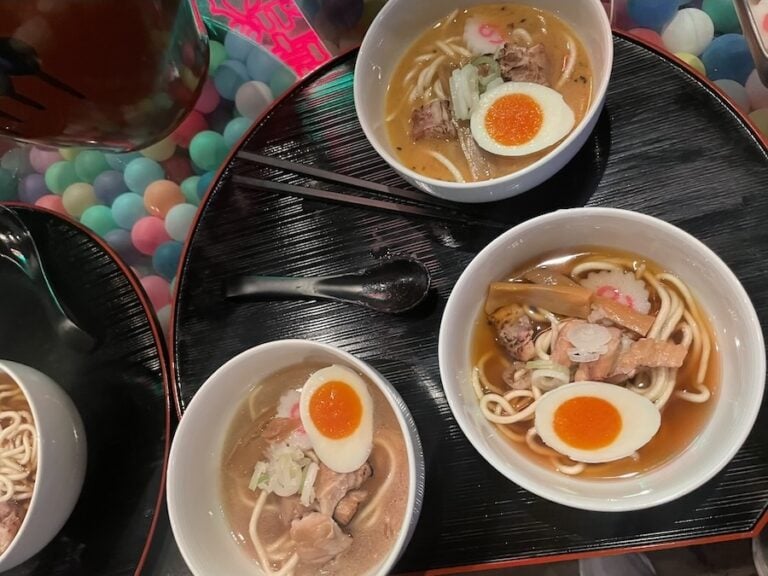
If you’re new to Japan or just visiting and want to do something that feels genuinely cultural, not just sightseeing, then trying a ramen-making experience should be high on your list. Ramen is something that almost everyone associates with Japan, but actually making it from scratch gives you a completely different level of appreciation for it on seeing the amount of work put into it.
Not long ago, I joined a ramen-making experience in Shibuya, an area that isn’t typically seen as a cultural or traditional spot by foreign tourists or locals alike, but it ended up offering a surprisingly meaningful cultural experience. The location was easily available on Google maps, and the whole cooking process was actually pretty easy to follow even if you have zero experience in cooking, let alone noodle-making. If you are interested to try out this experience for yourself, then it is highly recommended to book in advance as slots easily fill up especially in the busy seasons.
Starting With the Meat
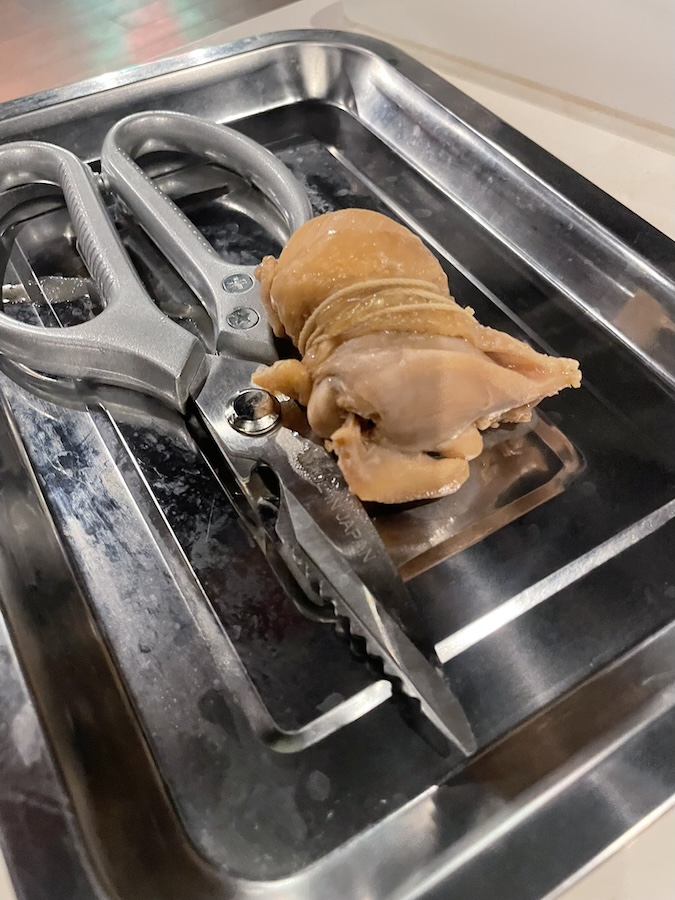
After putting on an apron and a pair of plastic and disposable gloves, you are now ready to start. The first step was boiling the meat. In our case, the staff handed us short nylon strings to tie the meat nicely and tightly so it doesn’t come undone during the whole boiling process. Right after, got to try our hand in assisting with the process of letting it seamer and sit in a pot of seasoned sauce for a good few minutes until it was ready to be served with our Ramen. After that came the torching, which we were not able to do until we finished preparing the noodles which we would be using for our very own Ramen bowl, and was easily one of the most enjoyable and calming parts of this whole experience. Torching to sear the pork added that smoky, caramelized finish you usually only notice when eating ramen at a good shop, and on top of that, it gave off certain flavors that add a nice warmth and just a wonderful overall taste.
Forming the Noodles
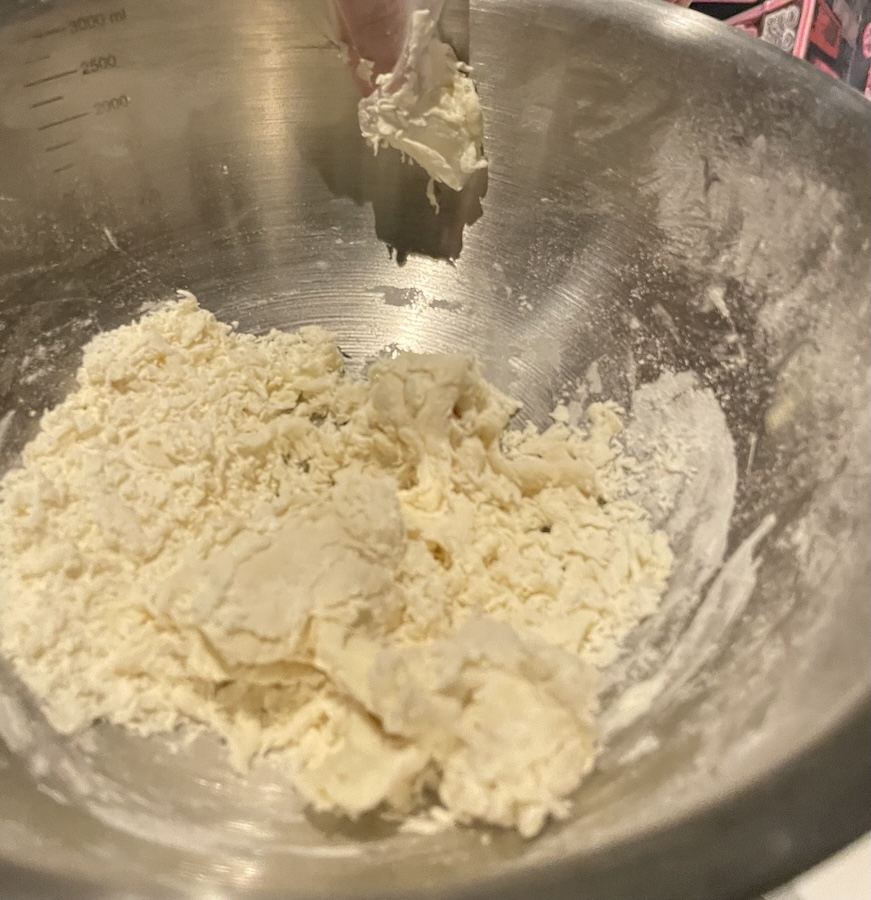
The next step was making the noodles themselves, which actually took more effort than I had previously expected. Instead of using regular water, we were given a special liquid to mix with the flour. It looks like plain water, but it behaves very differently from normal water. The dough becomes firm and elastic rather than soft and fragile, and prone to breakage, which is exactly what you want for ramen noodles.
Mixing and kneading took a while and we had to wait for the staff to tell us whether it was ready to be flattened or if we had to keep going. You really have to massage the dough and work it slowly until everything comes together. It’s surprisingly physical and needed a lot of hand and muscle strength, and at some point, you realize why ramen noodles have that distinct chew, as it had gone through a significant process to achieve its texture and composition.
Once the dough was ready, we fed it through a noodle-rolling machine and surely, this part took several tries until we achieved the results we were looking for. You roll it, fold it, roll it again, and keep repeating until it becomes thin and smooth enough.
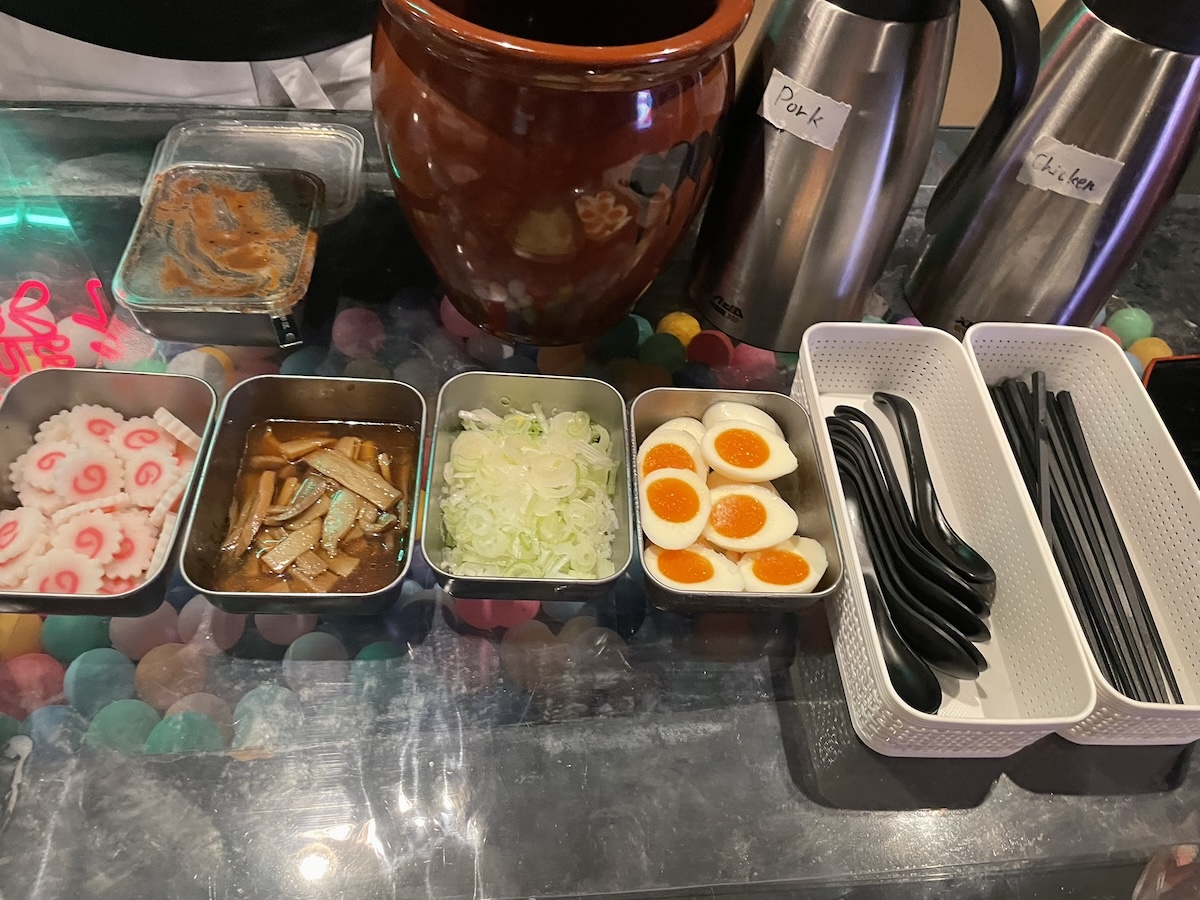
After a few minutes of intense and nonstop rolling and folding, we had finally finished the second step and were given bowls of toppings. The choices available were soft-boiled eggs, green onions, and other classic ramen additions to add that nice savory taste, and make our bowl in every sense, uniquely our very own. You could choose how much of everything you wanted to include and you can personalize it for however you see fit, provided that it still falls in the category of a traditional bowl of ramen.
Soup, Straining, and the Final Bowl
The last steps tied everything together. The staff demonstrated the right way of straining after our noodles were perfectly boiled and since there were no other customers at that time, we gave it a few tries just for the fun of it, to which the generous staff had allowed us while also taking a few candid shots. We were shown how to do it properly so the texture stayed just right. Once the noodles went into the bowl, we added the soup, toppings, and meat, and finally, it looked like something you’d expect from a proper ramen shop.
And then, finally, it was time to eat! The whole experience took a total of 1 hour, from tying up the meat to eating the bowl and needless to say, it was one of the most interesting cultural experiences you could engage in if you happen to find yourself in Tokyo with an hour to spare.
Eating ramen in Japan is great but making it yourself is something else entirely. Going through every step will help you notice even small details you’d otherwise never think about, from the firmness of the noodles to how the meat is prepared and finished.
Sometimes the best travel experiences are the ones where you stop being a customer and start becoming part of the process, even just for a couple of hours. If this feels like something you would enjoy, then go ahead and invite your friends, find a ramen cooking class near you and firsthand, learn about the intricacies of this age-old traditional food as soon as you can!